

The Amazing Lake District!
Images
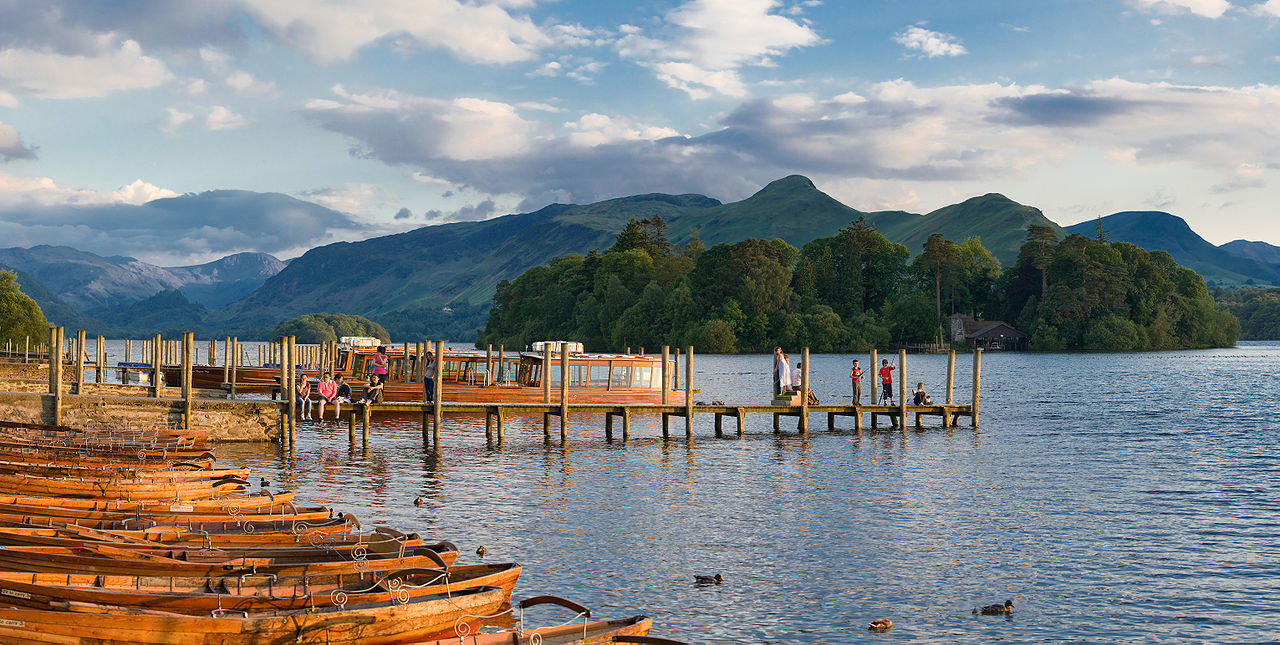
Lake District
Geomorphological Marvels and Hydrological Wonders
The Lake District's topography is a testament to powerful geological forces, primarily glaciation. The U-shaped valleys, ribbon lakes, and rugged mountain peaks, known locally as 'fells,' are all hallmarks of glacial erosion. The region's sixteen major lakes are a defining feature, with Windermere being the largest and longest in England, covering 14.73 square kilometers.
Its extensive shoreline and considerable surface area make it a focal point for recreation and tourism. In contrast, Wast Water plunges to a depth of 79 meters, making it England's deepest lake, a stark reminder of the immense erosive power of ancient ice sheets. The fells themselves, including England's highest, Scafell Pike (978m), offer challenging terrain for mountaineers and hikers, providing unparalleled vistas of this sculpted landscape.
The interplay of water bodies and elevated terrain creates a unique microclimate and a diverse range of habitats.
A Crucible of Literary and Artistic Inspiration
The Lake District's profound influence on English literature and art is undeniable. It served as a muse for the Romantic poets, most notably William Wordsworth, who lived at Dove Cottage and Grasmere. His poetry often celebrated the sublime beauty and spiritual solace he found in the Lakeland landscape, shaping perceptions of nature in art. Beatrix Potter, a pioneering illustrator and author, was deeply connected to the region, purchasing Hill Top Farm and drawing inspiration for her beloved children's books from its pastoral scenes and wildlife.
Arthur Ransome's 'Swallows and Amazons' series vividly captures the spirit of adventure on the lakes, further cementing the region's association with childhood imagination. This rich cultural heritage, alongside the natural beauty, contributes significantly to the area's global appeal and its designation as a World Heritage Site.
Conservation and Heritage
Established in 1951, the Lake District National Park is the largest in England, encompassing 2,362 square kilometers. Its designation as a National Park signifies a commitment to preserving its unique natural environment, cultural heritage, and the traditional rural way of life. This protected status aims to balance conservation with public access and enjoyment.
The park's designation as a UNESCO World Heritage Site in 2017 elevated its global recognition, acknowledging its 'outstanding universal value.' This status highlights the Lake District not just as a beautiful landscape but as a cultural landscape, shaped by centuries of human interaction with nature, particularly through farming and its influence on the picturesque scenery. The UNESCO designation brings increased international attention and reinforces the responsibility for its long-term stewardship.
Socio-Economic Dynamics and Modern Relevance
The Lake District's economy is heavily reliant on tourism, drawing millions of visitors annually who are attracted by its natural beauty, outdoor activities, and literary connections. This influx supports a wide range of businesses, from hospitality and retail to outdoor equipment providers. However, the region also faces challenges related to sustainable tourism, balancing visitor numbers with the preservation of its fragile environment and the needs of its permanent population of approximately 40,000 residents.
The agricultural sector, particularly sheep farming, remains a vital part of the cultural landscape and economy, contributing to the iconic vistas. The ongoing management of the National Park and its World Heritage status involves complex considerations regarding land use, infrastructure development, and community well-being, making it a dynamic example of contemporary landscape management.
Go deeper
Frequently Asked Questions
What makes the Lake District special?+
Why is Windermere the biggest lake in England?+
How deep is Wast Water and why does that matter?+
Which famous writers liked the Lake District?+
What does it mean that the Lake District is a National Park and a World Heritage Site?+
Based on content from Wikipedia · Licensed under CC BY-SA 4.0