

Lago: What's That Big Word?
Images
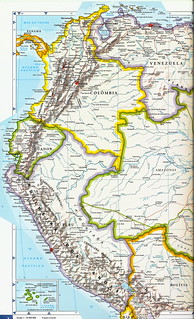
Mapa América del Sur - América do Sul - South America map


The Etymology and Geographical Spread of 'Lago'
The term 'Lago,' deriving from Latin 'lacus,' signifies 'lake' and is a cognate found in numerous Romance languages, most prominently Italian and Spanish. This linguistic connection underscores the historical prevalence of significant lake systems within these cultural spheres. Consequently, place names incorporating 'Lago' are not merely descriptive but often denote a profound geographical and cultural relationship with these bodies of water.
Examples range from major geographical features like Lago di Como and Lago Maggiore in Italy, which are renowned for their scenic beauty and historical significance, to smaller hamlets and regions where the lake is the defining characteristic. The presence of such names indicates a historical reliance on, or deep connection with, these freshwater resources, influencing settlement patterns, trade routes, and the very identity of the inhabitants. Understanding these place names offers a window into the historical geography and human-environment interactions of the regions where they are found.
Socio-Cultural Dynamics Shaped by Lakeside Living
Communities bearing the name 'Lago' often exhibit distinct socio-cultural dynamics intrinsically linked to their aquatic environments. The lake serves as a focal point for social gatherings, traditional festivals, and the development of unique cultural practices. For instance, the fishing heritage in many Lago communities has fostered specific culinary traditions and social rituals centered around the harvest and preparation of local fish.
The languages spoken, typically Italian or Spanish, are not just communication tools but carriers of cultural heritage, often enriched by regional dialects and expressions related to lake life. Daily life in these areas is frequently characterized by a slower pace, influenced by the natural rhythms of the lake, and a strong sense of community fostered by shared reliance on and appreciation for their environment. This intimate relationship with the water often translates into a deep respect for nature and a commitment to preserving its integrity.
Economic Interdependence
The economic frameworks of places named Lago are frequently characterized by a symbiotic relationship with their defining lakes. Tourism stands as a primary economic driver, capitalizing on the aesthetic appeal, recreational opportunities (such as sailing, windsurfing, and lakeside resorts), and the unique ambiance of these locations. Beyond tourism, lakes provide essential resources for agriculture, offering irrigation and fertile alluvial plains. Commercial fishing operations, both for domestic markets and international export, can represent significant economic activity, contributing to local employment and revenue.
Furthermore, larger lakes can function as vital arteries for transportation and trade, facilitating the movement of goods and people, thereby stimulating broader economic development. The economic vitality of these regions is thus inextricably tied to the health, accessibility, and ecological balance of their respective lakes.
Governance and Environmental Stewardship of Lago Regions
The governance of regions named Lago necessitates a nuanced approach to managing the complex interplay between human activities and the natural environment. Local and regional authorities are tasked with the critical responsibility of safeguarding water quality, implementing sustainable resource management strategies, and fostering responsible development. This often involves the establishment of stringent regulations concerning water usage, waste disposal, and recreational activities to mitigate environmental impact.
Specialized environmental agencies and water management bodies frequently play a crucial role in monitoring the ecological health of lakes, enforcing conservation policies, and coordinating efforts to combat pollution and habitat degradation. Political discourse in these areas often prioritizes the preservation of the lake's natural capital, recognizing its intrinsic value and its indispensable contribution to the region's economic and social well-being, thereby shaping policy decisions towards long-term ecological sustainability.
Educational Significance and Modern Relevance
The study of places named Lago offers a rich pedagogical resource for understanding geography, linguistics, and environmental science. For students, learning about these locations provides concrete examples of how language reflects geography and how human societies adapt to and are shaped by their natural surroundings. Educational curricula can incorporate case studies of Lago regions to explore topics such as watershed management, the impact of climate change on lake ecosystems, and the cultural significance of water bodies.
In a contemporary context, the challenges faced by Lago communities-balancing economic development with environmental protection, managing water resources sustainably, and preserving cultural heritage-are highly relevant to global issues. Understanding these dynamics offers valuable insights into sustainable development practices and the importance of preserving natural landscapes for future generations.
Go deeper
Based on content from Wikipedia · Licensed under CC BY-SA 4.0