

Lactase: Your Body's Milk Helper!
Images

Ancestry modelling of hunter-gatherers from 14–5.2 ka and their allele frequencies on phenotypic SNPs


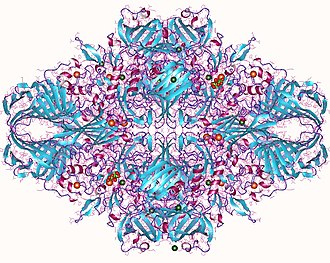


The Biochemical Ballet
Lactase, scientifically classified as EC 3.2.1.108, is a glycoside hydrolase enzyme that plays an indispensable role in the complete digestion of lactose, the primary carbohydrate in mammalian milk. Its catalytic prowess lies in its ability to hydrolyze the beta-1,4 glycosidic bond linking galactose and glucose within the lactose molecule (C12H22O11). This enzymatic reaction, facilitated by a molecule of water (H2O), yields two monosaccharides: D-glucose and beta-D-galactose (both C6H12O6).
These simpler sugars are readily absorbed across the intestinal epithelium into the bloodstream, serving as crucial energy substrates. Lactase belongs to the broader family of beta-galactosidases, distinguished by its specific substrate preference and catalytic mechanism. The enzyme is strategically embedded within the apical membrane of enterocytes, forming part of the brush border, ensuring maximal contact with ingested lactose.
Genetic Underpinnings and Evolutionary Trajectories of Lactase Persistence
In humans, the sole gene encoding lactase is LCT, also known as lactase-phlorizin hydrolase (LPH), located on chromosome 2. This gene encodes a transmembrane protein with both lactase and phlorizin hydrolase activities. While lactase activity is essential for infant nutrition, a significant evolutionary shift occurred in certain human populations: lactase persistence.
In most mammals, LCT expression dramatically downregulates after weaning, leading to lactase non-persistence. However, in populations with a history of dairy farming, genetic mutations, particularly single nucleotide polymorphisms (SNPs) in upstream regulatory regions of the LCT gene, have arisen that maintain high lactase expression throughout adulthood. This adaptation, known as lactase persistence, conferred a significant nutritional advantage, allowing for the continuous consumption of nutrient-rich milk and dairy products, influencing population genetics and cultural development.
Lactose Intolerance
Lactase deficiency, whether primary (genetic) or secondary (due to intestinal damage), results in lactose intolerance. When lactase activity is insufficient, undigested lactose passes into the colon. Here, resident bacteria ferment the lactose, producing short-chain fatty acids and gases such as hydrogen, methane, and carbon dioxide.
This fermentation process leads to the characteristic symptoms of lactose intolerance: abdominal pain, bloating, flatulence, diarrhea, and nausea. The prevalence of lactase non-persistence varies globally, being very high in East Asian, African, and Native American populations, and lower in Northern European populations where lactase persistence is common. Understanding the genetic and biochemical basis of lactase deficiency is crucial for diagnosing and managing this widespread condition.
Therapeutic and Industrial Applications of Lactase
Beyond its physiological role, lactase has found significant applications in both medicine and the food industry. Exogenous lactase enzymes, often derived from microbial sources like Aspergillus oryzae or Kluyveromyces lactis, are widely available as dietary supplements. These supplements are taken before consuming dairy products to aid in lactose digestion for individuals with intolerance.
In the food industry, microbial lactases are routinely added to milk to produce lactose-free milk. This process involves incubating milk with the enzyme, allowing it to break down lactose into glucose and galactose. This not only makes milk palatable for intolerant individuals but also alters its sweetness and texture, as glucose and galactose are sweeter than lactose.
Some robust lactases can even survive passage through the stomach, offering extended digestive benefits.
The Broader Context
The products of lactose digestion, glucose and galactose, enter central metabolic pathways. Glucose is immediately utilized via glycolysis and the citric acid cycle for ATP production. Galactose, however, must first be converted into glucose or glucose-6-phosphate within the liver through a series of enzymatic steps known as the galactose metabolic pathway.
This pathway involves enzymes like galactokinase and UDP-galactose-4-epimerase. Understanding lactase's role is therefore fundamental to comprehending nutrient assimilation from dairy sources and its integration into cellular energy metabolism. Furthermore, research into lactase and its genetic regulation continues to shed light on human adaptation and the interplay between diet, genetics, and health.
Go deeper
Frequently Asked Questions
What does lactase do in my tummy?+
Why do some people have trouble drinking milk?+
How do people get lactase when they grow up?+
Can I help my body digest milk if I don't have enough lactase?+
Where does lactase live inside my body?+
Based on content from Wikipedia · Licensed under CC BY-SA 4.0