

Kingdom of Italy (1861–1946)
Images

Italian Crown of Heir apparent


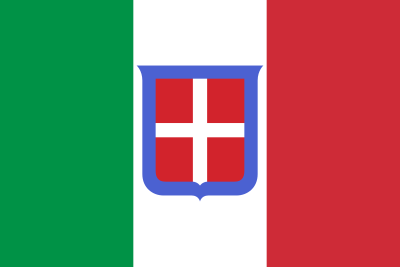


Geopolitical Landscape and Natural Endowments
The geographical configuration of the Kingdom of Italy profoundly shaped its development. Situated in Southern Europe, its distinctive boot-like peninsula juts into the Mediterranean Sea, granting it extensive coastlines and strategic maritime access. The imposing Alps form a natural northern frontier, historically serving as a barrier and influencing climate patterns.
The Apennine mountain range bisects the peninsula, creating diverse microclimates and fostering regional distinctiveness, which contributed to the varied dialects and cultures. This varied topography supported a range of agricultural activities, from viticulture and olive cultivation in the warmer south to grain production in the plains. The climate transitions from temperate in the north, with distinct seasons, to Mediterranean in the south, characterized by hot, dry summers and mild, wet winters.
This geographical mosaic presented both opportunities for trade and challenges for internal communication and development.
The Risorgimento and the Birth of a Nation-State
The establishment of the Kingdom of Italy in 1861 was the culmination of the Risorgimento, a protracted and complex movement for national unification. For centuries, the Italian peninsula was fragmented into numerous independent states, often under foreign influence or control. Visionaries like Count Camillo Benso di Cavour, Giuseppe Mazzini, and Giuseppe Garibaldi played pivotal roles, employing diplomacy, popular uprisings, and military campaigns to forge a single Italian state.
This unification was not merely a political act but a cultural and ideological endeavor to create a shared national identity. The process involved significant political maneuvering, wars, and plebiscites, ultimately leading to the proclamation of Victor Emmanuel II as King of Italy. This marked a radical departure from centuries of division, creating a new European power with aspirations for influence on the continent.
Societal Fabric
The Kingdom of Italy inherited a rich and diverse cultural heritage, but also faced the challenge of forging a unified national identity from disparate regional ones. While Tuscan Italian became the official language, numerous regional dialects persisted, reflecting centuries of separate development. This period witnessed a significant cultural efflorescence, with Italian artists, writers, and intellectuals contributing to global artistic movements. Literature, opera, and visual arts flourished, often exploring themes of national identity and history.
Socially, Italy was characterized by a strong emphasis on family and community, with distinct regional customs and traditions. The culinary landscape, a cornerstone of Italian culture, evolved with regional specialties gaining national recognition, solidifying food as a powerful element of shared heritage.
Economic Development
The economic trajectory of the Kingdom of Italy was marked by significant progress alongside persistent challenges. Initially, the economy was predominantly agrarian, with agriculture forming the primary sector. However, the late 19th and early 20th centuries saw a concerted effort towards industrialization, particularly in the northern regions.
Industries such as textiles, steel, and engineering began to develop, driven by government policies and foreign investment. Despite this growth, a substantial economic disparity persisted between the industrialized north and the less developed, agrarian south. This North-South divide, often referred to as the 'Southern Question,' remained a defining characteristic of Italy's economy throughout the kingdom's existence, influencing migration patterns and social stability.
Trade, both domestic and international, played a crucial role in the kingdom's economic strategy.
Governance and Political Evolution
The Kingdom of Italy operated as a constitutional monarchy, a system established during its unification. King Victor Emmanuel II served as the head of state, but executive power was largely wielded by a Prime Minister and cabinet responsible to a bicameral parliament. The parliament consisted of a Senate, whose members were appointed by the king, and a Chamber of Deputies, elected by a limited franchise. Suffrage was gradually expanded over time, reflecting evolving democratic ideals.
The political landscape was often characterized by shifting coalitions and parliamentary instability. Significant political events, including Italy's involvement in World War I and the subsequent rise of Fascism under Benito Mussolini, profoundly impacted the kingdom's governance, ultimately leading to its transformation into a republic after World War II.
Education and National Integration
Education was recognized as a critical tool for national integration and modernization within the Kingdom of Italy. The Casati Law of 1859, predating the kingdom's full unification but influential, laid the groundwork for a national education system. Compulsory primary education was introduced, aiming to combat illiteracy and instill a common Italian identity and language across the diverse regions.
However, the implementation of these educational reforms faced significant hurdles, including a lack of resources, teacher shortages, and resistance in some areas, particularly in the south. Despite these challenges, the expansion of schooling contributed to a gradual increase in literacy rates and a greater sense of shared national consciousness among the Italian populace over the decades.
See also
Frequently Asked Questions
What was the Kingdom of Italy?+
Why did Italy become one country in 1861?+
Where does Italy get its famous food and wine?+
How did Italy’s geography affect its people?+
What kinds of jobs did people do when Italy started to grow its factories?+
Based on content from Wikipedia · Licensed under CC BY-SA 4.0