

Khash: A Super Yummy Stew!
Images
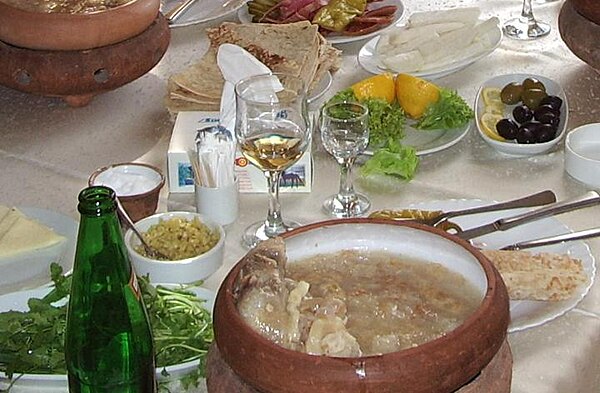
Khash (dish)
The Genesis of Khash
Khash stands as a profound example of ancient Armenian cuisine, recognized as one of its oldest and most emblematic dishes. Its origins are deeply intertwined with the practicalities of historical foodways, where resourcefulness dictated the utilization of every edible part of an animal. The dish is fundamentally a slow-cooked broth derived from boiling specific animal components, typically the head, feet, and stomach (tripe) of cows or sheep.
This meticulous, time-intensive process, often spanning many hours or even overnight, is crucial for breaking down collagen and connective tissues. The result is a uniquely rich, gelatinous broth and exceptionally tender meat, a testament to the culinary wisdom of its creators. Khash is not merely sustenance; it is a culinary archetype that embodies resilience, tradition, and a profound connection to the land and its resources.
Its preparation is a ritual, a deliberate act of transforming humble ingredients into a deeply nourishing and culturally significant meal.
A Transnational Palate
The culinary influence of khash extends far beyond its Armenian homeland, demonstrating a remarkable capacity for adaptation and integration into diverse cultural landscapes. Variations of this hearty stew are prevalent across a wide geographical spectrum, encompassing nations such as Afghanistan, Turkey, Iran, Georgia, and even reaching as far as Mongolia. This widespread presence is indicative of shared historical migrations, trade routes, and the universal appeal of nutrient-dense, slow-cooked foods.
Each region has often infused khash with its own distinct flavors and serving customs. For instance, the accompanying bread, spices, or even the time of day it is traditionally consumed can vary significantly. This global diffusion highlights how a core culinary concept can evolve, reflecting local ingredients, preferences, and the ongoing dialogue between different food traditions, solidifying khash's status as a truly international comfort food.
Khash as a Cultural Nexus
The significance of khash transcends its gustatory qualities, serving as a potent symbol of cultural identity, community cohesion, and ritualistic practice. In Armenia and many other cultures where it is cherished, khash is frequently associated with significant social events, family reunions, and communal celebrations. It acts as a powerful vehicle for intergenerational connection, allowing elders to transmit culinary heritage and historical narratives to younger generations.
Historically, its high nutritional content made it an essential food source, particularly during harsh winters, providing vital energy and warmth. Today, the preparation and consumption of khash often involve specific rituals, reinforcing social bonds and affirming cultural distinctiveness. It is more than a meal; it is an edible embodiment of shared history, collective memory, and enduring traditions, fostering a profound sense of belonging and continuity.
The Gastronomic Alchemy of Khash Preparation
The creation of khash is a masterclass in slow-cooking and the transformation of ingredients through patient culinary alchemy. The process begins with the careful selection and thorough cleaning of animal parts, primarily the head and feet, which are rich in collagen and connective tissues. These components are then submerged in water and subjected to an extended period of simmering, often lasting from six to twelve hours, or sometimes even longer.
This prolonged cooking duration is essential for hydrolyzing collagen into gelatin, which gives the broth its characteristic thick, viscous, and gelatinous texture. The slow heat also renders the meat incredibly tender, easily separable from the bone. Traditionally, khash is served piping hot, often as a robust breakfast dish, accompanied by lavash (a thin Armenian flatbread), minced garlic, and salt, allowing individuals to customize the flavor profile.
This method of preparation underscores a deep understanding of food science and resource management.
Contemporary Relevance and Culinary Evolution
In contemporary culinary discourse, khash continues to hold a significant place, not only as a traditional dish but also as a subject of evolving gastronomic interest. While its preparation remains rooted in tradition, modern interpretations and adaptations are emerging. Chefs and home cooks are exploring new ways to present and flavor khash, sometimes incorporating contemporary ingredients or techniques while respecting its fundamental character.
Its inherent richness and nutritional density also align with growing interest in whole-food diets and nose-to-tail philosophies. Furthermore, the cultural narrative surrounding khash-its history, communal aspect, and connection to identity-continues to resonate, making it a compelling subject for culinary anthropologists and food enthusiasts alike. The dish serves as a bridge between the past and the present, ensuring its legacy endures while allowing for creative exploration.
See also
Frequently Asked Questions
What is khash?+
Why do people boil the head, feet, and stomach of animals for khash?+
Where else can I find khash besides Armenia?+
How long does it take to make khash?+
Why is khash important to families and communities?+
Based on content from Wikipedia · Licensed under CC BY-SA 4.0