

The KGB: A Secret Spy Story!
Images

Most powerful file compression software: KGB Archiver


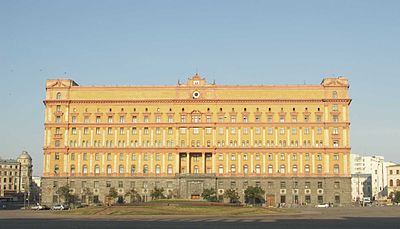


The Committee for State Security
The Committee for State Security (KGB) was the apex of the Soviet Union's security apparatus from 1954 to 1991. Operating under the Council of Ministers, it was a 'union-republican' agency, meaning its authority extended across all constituent republics, with the Russian SFSR serving as its headquarters. Its mandate was exceptionally broad, encompassing foreign intelligence, domestic security, counter-intelligence, and the functions of a secret police.
The KGB was not merely an investigative body; it was a proactive instrument of state policy, designed to protect the Soviet system from internal and external threats. Its predecessor agencies, including the Cheka, OGPU, and the notorious NKVD, had already established a legacy of state-sponsored surveillance and repression, a foundation upon which the KGB built its extensive operations.
Operational Framework and Military Structure
The KGB's operational framework was deeply integrated into the Soviet state, mirroring the structure of the Soviet Army and Internal Troops. Governed by military laws and regulations, it commanded vast resources and personnel, projecting an image of disciplined power. Its primary functions were strategically divided: foreign intelligence sought to gather information on adversaries and influence global events; counter-intelligence aimed to thwart foreign espionage and protect Soviet secrets; operative-investigative activities addressed internal threats and dissent; and border security was crucial for maintaining state sovereignty.
Furthermore, the KGB was tasked with safeguarding Soviet leadership and ensuring the security of government communications, highlighting its critical role in the state's continuity and stability. The vast majority of its archives remain classified, underscoring the secrecy that defined its operations.
Combating Dissent and Maintaining Ideological Purity
A core, and often brutal, aspect of the KGB's mandate was the suppression of dissent and separatism within Soviet society. The agency was instrumental in monitoring and neutralizing individuals and groups perceived as threats to the Communist Party's rule and the Soviet ideology. This involved extensive surveillance networks, informants, psychological operations, and, in many cases, arrest, interrogation, and imprisonment.
The KGB's actions created an atmosphere of fear and conformity, stifling political opposition and limiting freedoms of speech and association. By actively combating 'dissidents' and 'separatists,' the KGB played a pivotal role in maintaining the centralized control of the Soviet government over its diverse population and territories.
The Dissolution and Enduring Legacy
The collapse of the Soviet Union in 1991 marked the official dissolution of the KGB on December 3rd of that year. However, its organizational DNA persisted. The Russian Federation established successor agencies, notably the Foreign Intelligence Service (SVR) for external operations and the Federal Security Service (FSB) for internal security and counter-intelligence, inheriting much of the KGB's infrastructure and expertise.
The legacy of the KGB is complex and controversial, often associated with state repression and human rights abuses, yet also recognized for its sophisticated intelligence capabilities. The continued existence of agencies named 'KGB' in countries like Belarus, and the ongoing debates about the role of intelligence services in modern states, demonstrate the enduring impact of this formidable organization on 20th-century history and beyond.
See also
Frequently Asked Questions
What was the KGB and when did it exist?+
What jobs did the KGB do?+
How did the KGB keep people from speaking out?+
What happened to the KGB after the Soviet Union fell?+
Why is the KGB still talked about today?+
Based on content from Wikipedia · Licensed under CC BY-SA 4.0