

Keynsham
Images
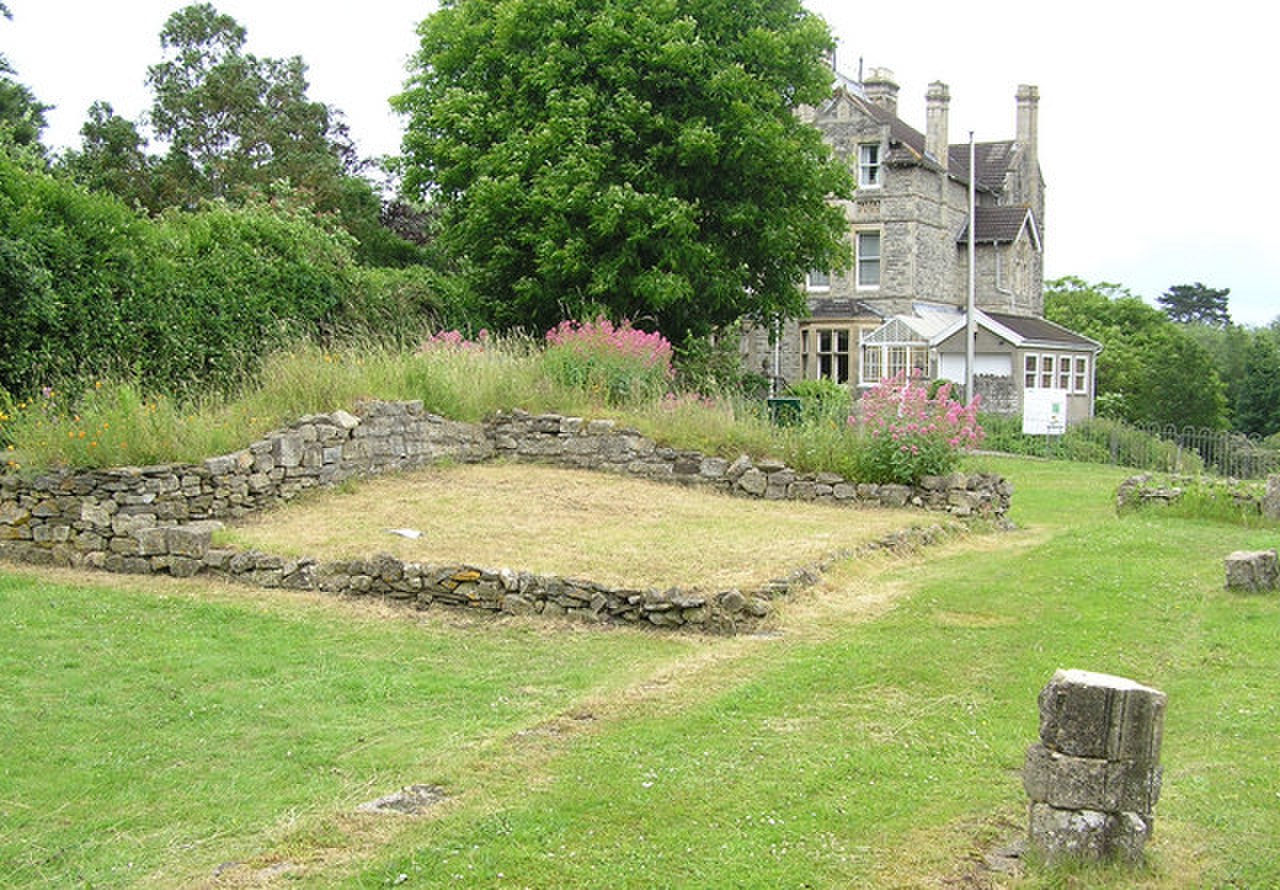
Keynsham abbey


Geographical Significance and Prehistoric Foundations
Keynsham occupies a strategic geographical position in Somerset, England, situated on the A4 corridor that historically linked the major urban centers of Bristol and Bath. Its location at the confluence of the River Chew and the River Avon has been a defining feature throughout its history, influencing settlement patterns and economic activities. Archaeological evidence points to continuous occupation since prehistoric times, with the site potentially being the Roman settlement of Trajectus.
The discovery of at least two Roman villas and fifteen additional Roman buildings beneath the Keynsham Hams underscores its importance during the Roman period. This rich archaeological landscape provides a tangible link to the town's ancient past, offering insights into Roman urban planning and domestic life in Britain. The natural topography, while offering fertile land, also presented challenges, notably susceptibility to flooding, a recurring theme addressed through significant engineering projects like the Chew Valley Lake and flood control at Keynsham Lock in 1727.
From Medieval Monasticism to Market Town Evolution
The establishment of Keynsham Abbey around 1170 marked a pivotal moment in the town's development, transforming it into a significant medieval market town. The Abbey, a Benedictine institution, would have been a major landowner and economic force, attracting pilgrims, traders, and laborers, thereby stimulating urban growth and shaping the town's social fabric. Its influence extended beyond religious life, contributing to the local economy and administrative structures.
The town's name, Cainesham as recorded in the Domesday Book, is believed to derive from 'home of Saint Keyne,' reflecting its early ecclesiastical connections. The Domesday Book itself, a testament to Norman administrative prowess, provides a snapshot of Keynsham's status in the late 11th century, detailing its landholdings and population, thus embedding it firmly within the historical record of England.
The Industrial Chapter
The 20th century saw Keynsham become intrinsically linked with the Cadbury's chocolate factory, known as Somerdale. Opened in 1935, this factory was not merely an industrial site but a major employer that profoundly impacted the town's economy and social structure for decades. It provided livelihoods for thousands, fostering a strong sense of community identity tied to the confectionery giant.
The factory's operations represented a significant period of industrial development and economic prosperity for Keynsham. Although Cadbury's ceased production at Somerdale in 2006, its legacy continues to resonate, influencing the town's historical narrative and its ongoing adaptation to post-industrial economic realities. The site has since been redeveloped, reflecting the changing landscape of industry and urban regeneration.
Community Infrastructure and Modern Connectivity
Keynsham functions today as a vibrant civil parish with a population of 19,603 (as per the 2021 Census), serving as a residential hub for those working in Bristol, Bath, and surrounding areas. Its connectivity is enhanced by Keynsham railway station, a key stop on the busy London-Bristol and Bristol-Southampton trunk routes, facilitating efficient travel and commuting. The bypass of the A4 in 1964 improved local traffic flow and reduced the town's role as a primary transit route, allowing for greater focus on local amenities.
The town offers a comprehensive range of services, including educational institutions, religious centers, sporting clubs, and cultural venues, fostering a well-rounded community life. Memorial Park remains a central point for civic engagement, hosting annual festivals and serving as a green space for recreation. The town's unique cultural calendar includes the notable annual chicken race, a quirky tradition that adds character and community spirit.
Governance and Educational Landscape
As a civil parish, Keynsham possesses its own parish council, which plays a role in local governance, managing local services and representing the community's interests within the broader structure of Somerset County Council and Bath and North East Somerset unitary authority. This multi-tiered system ensures local issues are addressed while integrating with regional planning. The educational provision in Keynsham is robust, catering to the needs of its growing population.
The town is served by several primary and secondary schools, providing educational pathways from early years to the end of compulsory schooling. These institutions are vital for the development of young residents, equipping them with the knowledge and skills necessary for future academic and professional pursuits, and contributing to the overall social and economic well-being of the community.
See also
Frequently Asked Questions
Where is Keynsham located?+
What ancient history does Keynsham have?+
Why did Keynsham become a market town in the Middle Ages?+
How did the Cadbury chocolate factory affect Keynsham?+
How can people travel to and from Keynsham today?+
Based on content from Wikipedia · Licensed under CC BY-SA 4.0