

Kate Spade: Bags That Sparkle!
Images

DIY Kate Spade Owl Purse


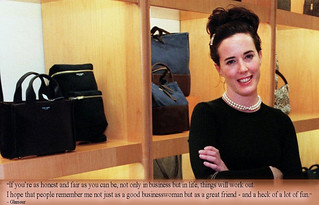


The Genesis of an Icon
Katherine Noel Brosnahan, born on December 24, 1962, in Kansas City, Missouri, embarked on a career that would fundamentally alter the landscape of American fashion. Her early professional life as a fashion editor provided her with an invaluable, insider's perspective on the industry. This role, which involved curating trends, styling shoots, and understanding consumer desires, honed her innate sense of style and her keen awareness of market opportunities.
It was during this period that she observed a distinct void in the market for handbags that were both fashion-forward and genuinely functional for everyday life. The prevailing offerings often leaned towards either overly ornate, special-occasion pieces or utilitarian, uninspired designs. Brosnahan envisioned a brand that could bridge this gap, offering accessories that were sophisticated yet accessible, vibrant yet practical, and imbued with a distinct personality that resonated with a modern woman's lifestyle.
This insight, coupled with a burgeoning entrepreneurial spirit, laid the groundwork for what would become a globally recognized fashion house.
Redefining the American Handbag
In 1993, Katherine Noel Brosnahan, alongside her husband Andy Spade, launched Kate Spade New York. The brand's debut collection featured six core handbag styles, with the 'Sam' tote quickly becoming its flagship product. This seemingly simple, boxy tote, crafted from durable nylon and offered in an array of bold, saturated colors, represented a radical departure from the prevailing luxury handbag market, which was dominated by leather goods in muted, traditional tones.
The 'Sam' tote, and indeed the entire initial collection, challenged conventional notions of luxury by prioritizing wearability, cheerful aesthetics, and a democratic approach to design. The brand's aesthetic was characterized by clean lines, geometric shapes, and an unapologetic embrace of color and playful patterns. This distinctive approach offered a refreshing alternative to the more conservative styles of the era, appealing to a demographic seeking to express individuality and optimism through their fashion choices.
The brand's success was not merely about selling products; it was about offering a lifestyle and a mood.
The Impact of Joyful Design
The profound impact of Kate Spade's designs lies in their ability to inject joy and personality into everyday fashion. Her creations were more than just accessories; they were vehicles for self-expression and mood enhancement. Imagine the difference a vibrant, color-blocked Kate Spade handbag could make to a professional ensemble; it was akin to adding a burst of sunshine to a grey day.
This philosophy extended beyond handbags to encompass a full spectrum of fashion and lifestyle products, including ready-to-wear apparel, jewelry, footwear, and home goods. Each category was infused with the brand's signature blend of classic silhouettes and modern, whimsical details. This holistic approach allowed consumers to curate an entire wardrobe and living space that reflected the brand's optimistic and stylish ethos.
In an industry often characterized by fleeting trends and an emphasis on exclusivity, Kate Spade carved out a unique niche by championing accessible luxury and celebrating the power of color and playful design to uplift and inspire. Her work democratized a certain level of chic, proving that high style didn't have to be somber or inaccessible.
Beyond Accessories
The strategic expansion of Kate Spade New York into a comprehensive lifestyle brand was instrumental in its enduring success and cultural relevance. By diversifying its product offerings, the brand was able to cater to a broader range of consumer needs and desires, solidifying its position as a go-to destination for stylish, optimistic living. This expansion allowed customers to integrate the brand's aesthetic into multiple facets of their lives, from their professional attire and casual wear to their personal accessories and home decor.
The consistent application of the brand's core values-quality craftsmanship, distinctive design, and an unwavering commitment to joy-across all product categories created a cohesive and aspirational brand identity. This approach fostered deep customer loyalty and allowed the brand to maintain its relevance in a rapidly evolving fashion market. The success of Kate Spade New York demonstrated the power of a well-defined brand narrative and the ability of thoughtful design to create a lasting emotional connection with consumers.
A Lasting Legacy
The untimely passing of Kate Spade on June 5, 2018, marked a profound loss for the fashion world. However, her visionary spirit and the brand she co-created continue to exert a significant influence. Kate Spade New York remains a prominent name, celebrated for its vibrant aesthetic and its commitment to infusing fashion with optimism.
Her legacy is evident in the continued embrace of bold colors and playful designs by contemporary designers, a testament to the paradigm shift she initiated. Spade's work underscored the idea that fashion can be a source of joy and a powerful tool for self-expression, a message that continues to resonate. The brand's ongoing evolution, while adapting to contemporary tastes, consistently pays homage to its foundational principles of quality, style, and a spirited approach to life.
This enduring commitment ensures that the sparkle and optimism that defined Kate Spade's contributions to fashion will continue to inspire for generations to come, solidifying her place as a pivotal figure in modern American design.
See also
Frequently Asked Questions
What makes Kate Spade bags special?+
Why did Kate Spade create her own bag brand?+
What is the Sam tote?+
What else does Kate Spade make besides bags?+
When did Kate Spade start her company?+
Based on content from Wikipedia · Licensed under CC BY-SA 4.0