

Jyotirao Phule
Images
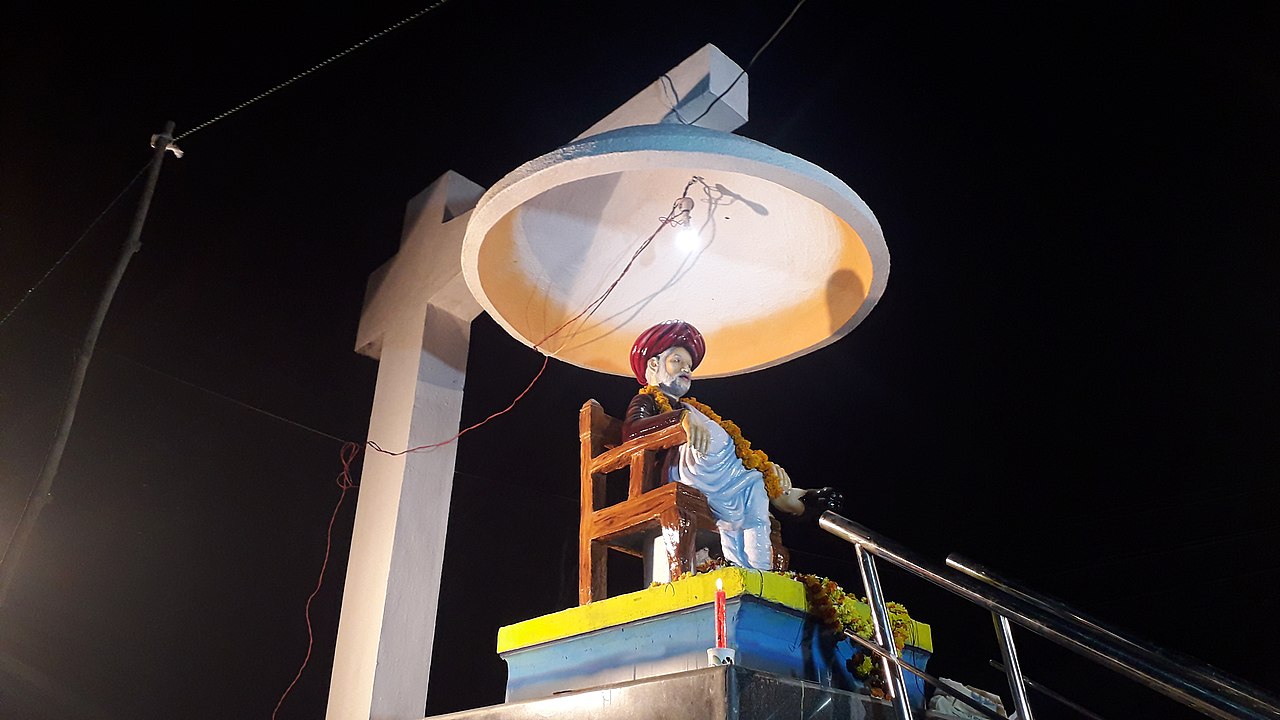
Mahatma Jyotirao Phule


The Genesis of a Visionary
Jyotirao Phule, born on April 11, 1827, in Pune, Maharashtra, emerged from a modest background to become one of India's most influential social reformers. His early life was marked by the pervasive social inequalities of the time, particularly the rigid caste system and the subjugation of women. Witnessing firsthand the discrimination and lack of opportunities faced by the Shudra and Ati-Shudra castes, as well as women, ignited a deep sense of moral outrage within him.
Influenced by thinkers like Thomas Paine and the Bible, Phule developed a profound belief in universal human rights and the inherent dignity of all individuals, irrespective of their birth. This intellectual awakening was not merely theoretical; it propelled him into active social service, aiming to dismantle the oppressive structures that perpetuated injustice and to foster a society grounded in equality and rational thought.
His experiences instilled in him a pragmatic approach to reform, emphasizing education and self-respect as the primary tools for empowerment.
Breaking Chains of Ignorance
Jyotirao Phule, alongside his equally remarkable wife, Savitribai Phule, stands as a monumental figure in the history of women's education in India. In 1848, they established the first indigenous school for girls in Pune, a revolutionary act that defied deeply entrenched patriarchal norms and societal resistance. This initiative was not merely about imparting literacy; it was a radical challenge to the prevailing belief that women's place was solely in the domestic sphere.
The Phules faced severe ostracism and opposition, with Jyotirao even being threatened with his life. Despite these immense pressures, they persevered, understanding that educating women was crucial for the overall progress and emancipation of society. Their school, initially housed in Bhidewada, became a symbol of hope and a testament to their unwavering commitment to gender equality.
This pioneering effort laid the groundwork for subsequent movements advocating for women's rights and access to education across India.
Forging Unity in Diversity
Recognizing the need for organized action to combat the pervasive discrimination of the caste system and untouchability, Jyotirao Phule co-founded the Satyashodhak Samaj (Society of Truth Seekers) in 1873. This organization was a radical departure from existing social structures, as it was open to individuals of all castes and religions, fostering an inclusive platform for social reform. The Samaj's core objective was to attain equal rights for people from lower castes and to challenge the Brahmanical dominance that characterized Indian society.
Through its activities, the Samaj aimed to raise consciousness, promote self-respect among the oppressed, and advocate for social justice. It organized meetings, published literature, and actively campaigned against discriminatory practices, providing a collective voice for those who had been systematically silenced. The Satyashodhak Samaj represented a powerful movement that sought to redefine social relations based on principles of equality, reason, and human dignity, leaving an indelible mark on the landscape of social reform in India.
Phule's Transformative Legacy
Jyotirao Phule's profound impact on Indian society was recognized when he was bestowed with the honorific title of 'Mahatma' (great-souled) in 1888. This title, bestowed by his admirers, encapsulated the immense respect and admiration he commanded for his lifelong dedication to social justice and human emancipation. His work extended beyond mere activism; he was also a prolific writer, using his pen to critique social injustices and advocate for reform.
Phule's writings, such as 'Gulamgiri' (Slavery), powerfully exposed the exploitative nature of the caste system and drew parallels with slavery in the West. His legacy is not confined to historical records; it continues to inspire contemporary movements for social justice, equality, and educational access. The principles he championed – the eradication of caste-based discrimination, the empowerment of women, and the universal right to education – remain critically relevant in the ongoing struggle for a more equitable and just society.
Jyotirao Phule's life serves as a powerful reminder of the transformative potential of individual courage and collective action in challenging entrenched systems of oppression.
See also
Frequently Asked Questions
Who was Jyotirao Phule?+
When was Jyotirao Phule born?+
What did Jyotirao Phule and his wife do for girls?+
What was the Satyashodhak Samaj?+
Why did Jyotirao Phule want to change society?+
Based on content from Wikipedia · Licensed under CC BY-SA 4.0