

Juba: South Sudan's Awesome Capital!
Images
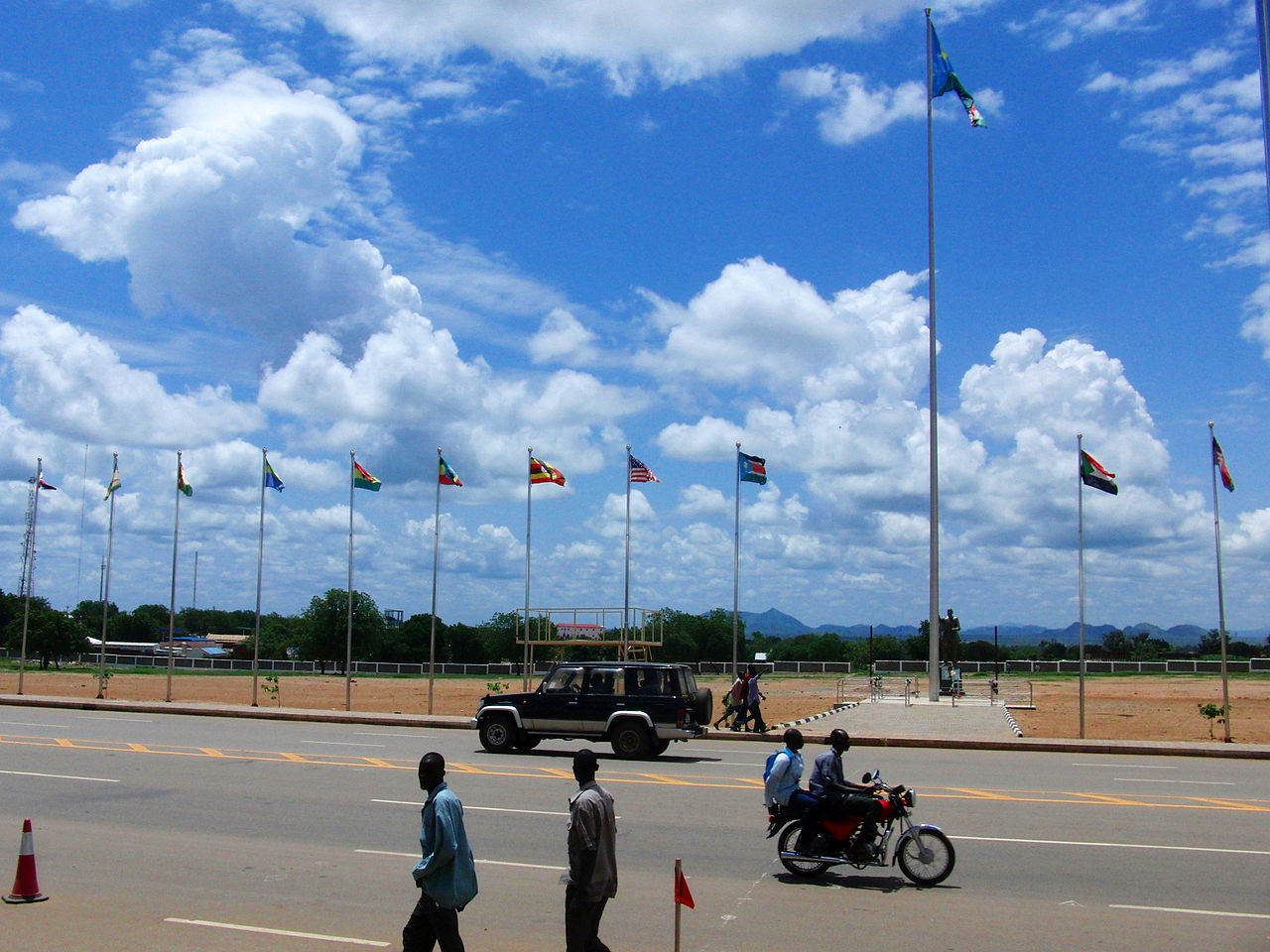
Juba
Geostrategic Nexus
Juba's identity is inextricably linked to its geography. As the capital and largest city of South Sudan, it is strategically positioned on the White Nile, one of the world's most significant river systems. This location is not merely aesthetic; it has historically dictated patterns of settlement, trade, and transportation.
The White Nile provides a crucial artery for moving goods and people, particularly in a region where land infrastructure can be challenging. Juba serves as a primary port on this vital waterway. The city encompasses an urban area of 52 km², but its functional urban footprint extends to a metropolitan region of 336 km², indicating significant outward growth and influence.
This expansive area highlights Juba's role as a central hub not just for South Sudan, but potentially for the wider Nile basin region. Understanding Juba requires appreciating its deep connection to the river and the opportunities and challenges this presents.
Genesis and Growth
The establishment of Juba dates back to the early 1920s, initiated by the Church Missionary Society within a pre-existing Bari village of the same name. Its initial designation as the capital of Mongalla Province in the late 1920s marked its early administrative significance. However, Juba's trajectory dramatically accelerated following the signing of the Comprehensive Peace Agreement in 2005.
This pivotal accord recognized Southern Sudan's autonomy and designated Juba as its capital, setting the stage for its transformation into a national center. The subsequent independence of South Sudan in 2011 solidified Juba's status as the nation's capital. While the government has announced intentions to relocate the capital to Ramciel, this move is yet to materialize, leaving Juba as the de facto and official seat of power.
This history underscores Juba's resilience and its central role in the formation and administration of South Sudan.
Socio-Economic Dynamics
Juba's population has seen substantial growth, reaching 525,953 residents by 2017. This demographic expansion is a direct consequence of its elevation to capital status and the relative stability following the peace agreement. As the administrative and political heart of South Sudan, Juba's economy is largely driven by government functions, international aid organizations, and the service sector.
While specific major industries are not detailed, the city functions as a commercial hub, facilitating trade and providing essential services to its growing populace. The influx of people from various regions within South Sudan and potentially neighboring countries contributes to a diverse cultural landscape. This diversity, while enriching, also presents challenges in terms of social cohesion and resource management.
Juba is a melting pot, reflecting the complex social and economic realities of a newly formed nation.
The Seat of Power
Juba's primary function is serving as the capital of South Sudan, the world's youngest nation. This role places it at the epicenter of national governance, housing the executive, legislative, and judicial branches of the government. The city is the stage upon which South Sudan's political identity is forged and projected both domestically and internationally.
Hosting diplomatic missions and international organizations, Juba is the primary interface for foreign relations. Its status as the capital is fundamental to the operational capacity of the South Sudanese state, enabling the administration of public services, the implementation of national policies, and the management of the country's resources. The ongoing discussions about relocating the capital to Ramciel highlight the strategic considerations and potential future shifts in South Sudan's political landscape, but for now, Juba remains the undisputed center of power.
Foundations for the Future
While the provided source material does not extensively detail educational institutions in Juba, its role as the capital city implies a concentration of educational infrastructure and opportunities. As the administrative and economic hub, Juba would naturally host primary, secondary, and tertiary educational facilities, including universities and vocational training centers, to serve its growing population and the needs of the nation. The development of a robust education system is critical for South Sudan's future, and Juba, as its capital, would be a focal point for such initiatives. Investment in education is key to building human capital, fostering innovation, and ensuring the long-term stability and prosperity of the nation.
The presence of educational institutions in Juba is therefore intrinsically linked to the country's developmental aspirations.
Go deeper
Frequently Asked Questions
What is Juba?+
Why is Juba on the White Nile?+
How did Juba become the capital of South Sudan?+
Where is Juba located in South Sudan?+
How many people live in Juba?+
Based on content from Wikipedia · Licensed under CC BY-SA 4.0