

Interlagos Circuit
Images
5/7/2009


The Genesis and Evolution of a Motorsport Icon
The Autódromo José Carlos Pace, universally known as Interlagos, stands as a testament to Brazil's enduring passion for motorsport. Inaugurated on May 12, 1940, its creation was a significant undertaking, reflecting a burgeoning interest in automotive sports within São Paulo and Brazil. The circuit's journey through history is marked by pivotal moments, including its renaming in 1985 to honor the late Formula 1 hero José Carlos Pace, a move that cemented its connection to Brazilian racing legends.
The recent addition of Pace's final resting place within the circuit grounds in 2024 adds a profound layer of historical and emotional resonance. A distinctive characteristic that sets Interlagos apart is its counterclockwise racing direction, a less common configuration that demands unique adaptations from drivers and engineers alike, influencing car setup and racing strategy. This enduring legacy, combined with its unique layout, has ensured Interlagos remains a revered fixture on the international motorsport calendar.
A Storied History of Grand Prix Racing and Beyond
Interlagos has been intrinsically linked with the pinnacle of motorsport, serving as the long-standing home of the Formula 1 Brazilian Grand Prix since 1973. This enduring relationship has produced countless memorable races, dramatic championship deciders, and iconic performances that are etched into Formula 1 folklore. The circuit's challenging nature, characterized by its elevation changes and demanding corner combinations, consistently provides thrilling spectacles.
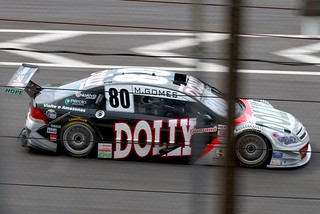
Beyond its F1 pedigree, Interlagos has demonstrated remarkable versatility by hosting a diverse array of international and national racing series. These include the Brazilian Motorcycle Grand Prix, the German Touring Car Masters (DTM), the FIA GT1 World Championship, and the FIA World Endurance Championship. Furthermore, it remains a crucial venue for domestic championships like Stock Car Brasil and Formula 3 Sudamericana, underscoring its foundational role in developing Brazilian racing talent and its significance as a premier motorsport facility.
Beyond the Track
The influence of Interlagos extends far beyond the roar of engines and the thrill of competition. Its expansive grounds have proven adaptable to a wide spectrum of public events, transforming it into a multifaceted cultural hub. From 2002 to 2006 and again from 2008 to 2013, the circuit was a key part of the Prova Ciclística 9 de Julho, one of Brazil's most traditional road cycling races, highlighting its capacity to host large-scale athletic events across different disciplines.
More recently, Interlagos has embraced contemporary culture by hosting a Brazilian edition of the Lollapalooza music festival since 2014. This integration of high-octane sport with vibrant music and cultural festivals demonstrates Interlagos' evolution from a dedicated racetrack to a dynamic public space that caters to diverse interests and contributes significantly to the social fabric of São Paulo.
The Technical Demands of Interlagos
The Autódromo José Carlos Pace presents a formidable technical challenge, demanding peak performance from both drivers and their machinery. Spanning 4.309 kilometers, the circuit's defining characteristic is its significant elevation changes. The track dramatically rises and falls, creating a complex rhythm that impacts braking zones, acceleration capabilities, and tire wear.
Drivers must master the 'S do Senna' complex, a series of quick left-right turns that require immense precision, and navigate the challenging uphill drag towards the main straight. The counterclockwise layout is another critical factor; it places unusual stress on the right side of the car and driver, requiring specific setup adjustments and a different approach to cornering compared to clockwise circuits. The combination of high-speed straights, such as the main straight, and tight, technical infield sections means that a well-balanced car with strong aerodynamic efficiency and reliable brakes is essential for success.
Mastering Interlagos requires a driver to possess exceptional car control, strategic thinking, and the physical endurance to withstand the demanding G-forces throughout the race.
Interlagos in the Modern Sporting Landscape
Interlagos Circuit continues to be a vital component of the global motorsport calendar, particularly within Formula 1, where its contract extends until 2030. Its status as a historic track, combined with its challenging layout and passionate Brazilian fanbase, ensures its place as a fan favorite. The circuit's ability to adapt and host diverse events, from major international racing series to large-scale music festivals, highlights its enduring relevance and economic importance to São Paulo.
As motorsport evolves, Interlagos faces the ongoing challenge of maintaining its historical significance while incorporating modern sustainability and technological advancements. Its continued presence in Formula 1 and its role as a multi-purpose venue demonstrate its resilience and adaptability, securing its legacy as a dynamic and iconic location in the world of sports and entertainment.
See also
Frequently Asked Questions
What is the Interlagos Circuit and where is it located?+
Why is the track named after José Carlos Pace?+
How long is the Interlagos track and what makes it special?+
What kinds of races and events are held at Interlagos?+
When did the circuit open and what is its history?+
Based on content from Wikipedia · Licensed under CC BY-SA 4.0