

Your Body's First Responders!
Images

PAMPs and PRRs in the Innate Immune System ar




Evolutionary Antecedents and Vertebrate Implementation
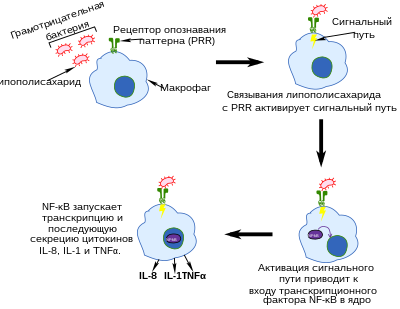
The innate immune system represents one of the two primary strategies of immunity in vertebrates, distinguished by its rapid, non-specific response. Its evolutionary roots are deep, predating the adaptive immune system by hundreds of millions of years and forming the dominant defense in plants, fungi, prokaryotes, and invertebrates. This ancient system is characterized by germline-encoded receptors that recognize conserved molecular patterns found on a broad range of microbial pathogens, known as pathogen-associated molecular patterns (PAMPs), as well as danger signals from damaged host cells (DAMPs).
Its ubiquity across diverse life forms underscores its fundamental importance in preventing immediate cellular and organismal damage from environmental threats. In vertebrates, this system comprises physical barriers, chemical mediators, and specialized phagocytic and cytotoxic cells that act in concert to contain and eliminate threats before adaptive immunity can be fully engaged.
Physical and Chemical Barriers
The initial line of defense within the innate immune system involves formidable physical and chemical barriers. The integumentary system, primarily the skin, acts as a robust physical impediment, preventing the entry of most microorganisms. Complementary to this, mucosal surfaces lining the respiratory, gastrointestinal, and urogenital tracts are equipped with mucus that traps pathogens, which are then cleared by physical mechanisms like ciliary action or coughing.
Chemically, the innate system deploys a battery of antimicrobial peptides (AMPs) and host defense peptides (HDPs) that can directly kill bacteria, fungi, and enveloped viruses by disrupting their membranes. Furthermore, physiological processes such as the low pH of the stomach, the presence of lysozyme in tears and saliva, and the rapid clotting of blood at sites of injury all contribute to creating an inhospitable environment for pathogens and limiting their spread.
Cellular Effectors and Inflammatory Signaling
Upon breach of physical barriers, the innate immune system deploys a diverse array of cellular effectors, primarily specialized white blood cells. Phagocytes, such as macrophages and neutrophils, are critical for engulfing and degrading pathogens and cellular debris through phagocytosis. Natural killer (NK) cells provide an immediate defense against virus-infected cells and tumor cells by releasing cytotoxic granules.
The recruitment of these cells to sites of infection is orchestrated by inflammatory signaling. Damaged cells and resident immune cells release pro-inflammatory cytokines and chemokines, which act as molecular beacons. These signals increase vascular permeability, allowing immune cells and plasma proteins to exit the bloodstream and infiltrate the affected tissue, initiating the characteristic signs of inflammation: redness, swelling, heat, and pain.
The Complement System
The complement system is a crucial effector arm of the innate immune system, comprising a cascade of plasma proteins that can be activated through three distinct pathways: the classical, lectin, and alternative pathways. Regardless of the activation route, the cascade culminates in the formation of the membrane attack complex (MAC), which can lyse target cells by creating pores in their membranes. Beyond direct lysis, complement activation generates potent inflammatory mediators, such as C3a and C5a, which recruit phagocytes and promote inflammation.
Furthermore, complement fragments like C3b act as opsonins, coating pathogens and enhancing their recognition and phagocytosis by immune cells. This system is vital for identifying and clearing bacteria, antibody-antigen complexes, and dead host cells.
The Crucial Link
While the innate immune system provides immediate, broad-spectrum defense, its role extends critically to initiating and shaping the adaptive immune response. Professional antigen-presenting cells (APCs), such as dendritic cells and macrophages, are key players in this interface. After encountering and processing pathogens, these APCs migrate to lymphoid tissues where they present processed antigen fragments (peptides) on MHC molecules to naive T lymphocytes.
The cytokines released during the innate inflammatory response also influence the type of adaptive immune response that develops, directing T helper cells towards Th1, Th2, or Th17 lineages, thereby tailoring the subsequent adaptive immunity to the specific nature of the pathogen. This intricate interplay ensures a robust and context-appropriate defense strategy.
See also
Frequently Asked Questions
What are the body's first responders in the immune system?+
How does our skin help protect us from germs?+
What happens when germs get past the skin?+
Why does a sore spot feel red, hot, and swollen?+
How does the body make germs burst open?+
Based on content from Wikipedia · Licensed under CC BY-SA 4.0