

Philippines' Big Freedom Day!
Images

102_0256


![[Philippine Day] Kaye Brosas](https://live.staticflickr.com/3242/2789072694_6ecc83e066_n.jpg)
![[Philippine Day] BBQ](https://live.staticflickr.com/3019/2788219769_0a129c71c6_n.jpg)


The Genesis of Freedom
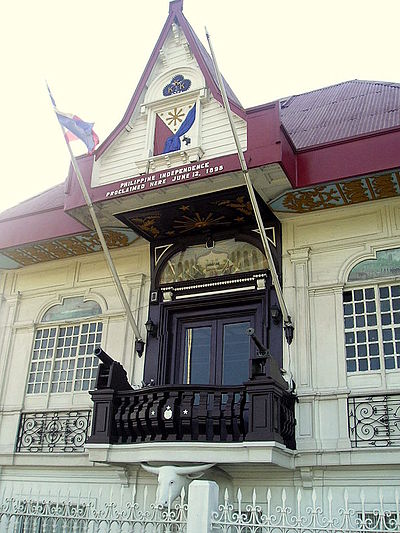
The declaration of Philippine independence on June 12, 1898, was a pivotal moment, marking the culmination of decades of struggle against Spanish colonial rule. This act, proclaimed in Kawit, Cavite, by General Emilio Aguinaldo, signaled the birth of the First Philippine Republic. It was a bold assertion of national sovereignty, a rejection of centuries of foreign domination, and a testament to the burgeoning Filipino nationalist movement.
The declaration was not merely a symbolic gesture; it was an attempt to establish a legitimate, self-governing state on the international stage. The context of the Spanish-American War, which was then underway, provided a crucial opportunity for the Filipinos to press their claims for independence, hoping to gain recognition and support from emerging global powers. This declaration was a profound statement of self-determination, aiming to establish a distinct Filipino identity and political destiny, free from external control and exploitation.
From Colonial Subject to Sovereign Citizen
The Philippines' journey to independence was a protracted and complex process, deeply intertwined with global geopolitical shifts. For over three centuries, the archipelago was a Spanish colony, experiencing significant cultural, religious, and political transformations. However, the late 19th century witnessed a surge in Filipino nationalism, fueled by intellectual discourse, revolutionary societies like the Katipunan, and the desire for equal rights and representation.
The Philippine Revolution, which began in 1896, laid the groundwork for the formal declaration. The subsequent cession of the Philippines by Spain to the United States following the Spanish-American War complicated matters, leading to a new phase of struggle for true independence. The declaration on June 12, 1898, therefore, represents a critical juncture, a bold step towards self-governance, even as the nation faced new challenges in solidifying its sovereignty in a rapidly changing world order.
Araw ng Kasarinlán
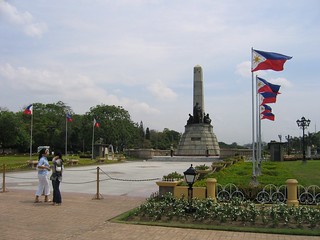
Celebrated annually on June 12, Independence Day, or Araw ng Kasarinlán (Day of Freedom), is the Philippines' National Day. This designation, made official in 1978, elevates the holiday beyond a mere commemoration to the paramount celebration of national identity and unity. The festivities typically involve elaborate flag-raising ceremonies, patriotic parades, and cultural exhibitions that showcase the rich heritage of the Filipino people.
The Philippine flag itself, with its sun symbolizing unity and enlightenment and its stars representing the major island groups, is a potent emblem of national pride and aspiration. The holiday serves as a crucial reminder of the sacrifices made by national heroes and revolutionaries, fostering a collective consciousness of shared history and a commitment to preserving the hard-won freedoms. It is a day for reflection on the nation's past, appreciation of its present, and a forward-looking vision for its future.
The Enduring Significance of National Day
The establishment of June 12 as the National Day of the Philippines underscores the profound significance of independence in shaping national consciousness and political discourse. It represents the triumph of self-determination over colonial subjugation and serves as a constant reminder of the responsibilities that come with sovereignty. In a globalized world, celebrating National Day reinforces a sense of distinct identity and cultural resilience.
It provides a platform for national dialogue on issues of governance, development, and the ongoing pursuit of progress. For contemporary Filipinos, Independence Day is an opportunity to engage with their history, understand the challenges and achievements of their nation, and recommit to the principles of freedom, justice, and national unity that were so hard-won.
See also
Based on content from Wikipedia · Licensed under CC BY-SA 4.0