

The Ideomotor Phenomenon: When Your Body Moves Before You Think!
Images
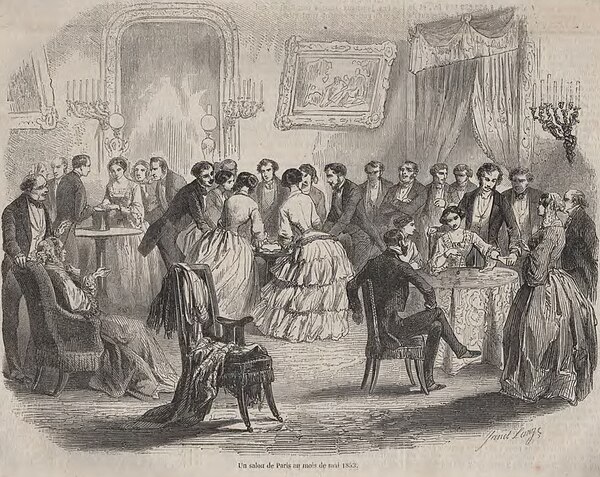
Ideomotor phenomenon
The Subtle Dance Between Cognition and Motor Control
The ideomotor phenomenon represents a fascinating intersection of cognitive processes and motor execution, where a mental representation-an idea, image, or concept-can elicit a seemingly involuntary muscular response. This effect is not a conscious decision to act but rather a subtle, often imperceptible, activation of motor pathways triggered by the mere ideation of an action. The term 'ideomotor' itself, a portmanteau of 'idea' and 'motor,' precisely captures this essence: the direct translation of thought into movement.
This phenomenon highlights the intricate and deeply ingrained connection between our mental world and our physical capabilities, suggesting that the brain is constantly primed to translate thoughts into potential actions, even at a sub-threshold level. It underscores that the boundary between thinking about an action and initiating it can be remarkably thin.
Historical Roots
The conceptualization of the ideomotor phenomenon has evolved significantly, tracing its roots back to early investigations into mesmerism and hypnosis. Pioneers like James Braid, who coined the term 'hypnotism,' explored how suggestion operated, proposing that the effects observed in hypnotized subjects were often due to ideomotor responses. They theorized that the power of suggestion lay in its ability to bypass conscious volition and directly influence motor output.
This idea was crucial in shifting explanations from mystical forces to psychological mechanisms. Later, researchers like William James further elaborated on the concept, distinguishing between the 'ideo-motor' and 'ideo-sensory' reflexes, and solidifying the understanding that the mind's engagement with an idea could lead to a cascade of physiological responses, including muscular activity, without explicit conscious command.
The Significance of Unconscious Motor Control
The ideomotor phenomenon holds considerable significance across various fields, most notably in psychology and neuroscience. It provides a foundational explanation for phenomena that might otherwise be attributed to supernatural causes, such as the movements observed in Ouija boards, automatic writing, and dowsing. By understanding that these movements can be driven by the unconscious expectations and thoughts of the participants, we gain a more scientific perspective on human behavior.
Furthermore, the ideomotor effect is a critical component in the study of hypnosis, revealing how subtle suggestions can manifest as physical actions. It also has implications for understanding motor learning, habit formation, and even certain neurological disorders where the link between thought and action may be disrupted, offering insights into the complex architecture of voluntary and involuntary movement.
Mechanisms of Ideomotor Action
The underlying mechanism of the ideomotor phenomenon is believed to involve the activation of specific neural circuits. When an idea or mental image is formed, it can trigger activity in brain regions associated with motor planning and execution, even if the intention to move is absent. This might be explained through models of predictive coding, where the brain constantly generates predictions about sensory input and motor commands.
An ideomotor response could be seen as a 'leakage' from these predictive processes, where the motor command prediction is partially enacted before it is consciously endorsed or inhibited. This is analogous to the 'ideo-sensory' response, such as salivating at the thought of a lemon, where a mental representation elicits a physiological, non-motor output, demonstrating the broad reach of ideodynamic principles across bodily systems.
Applications and Misinterpretations
The principles of the ideomotor phenomenon have found applications in therapeutic contexts, particularly in hypnotherapy, where it can be used to facilitate relaxation or access subconscious material. However, it has also been a source of considerable controversy and misinterpretation, often being invoked to support pseudoscientific claims. Practices like applied kinesiology, which uses muscle testing to diagnose health issues, are frequently explained by proponents as tapping into ideomotor responses, though this lacks robust scientific validation.
The challenge lies in distinguishing genuine, subtle ideomotor effects from deliberate or misattributed actions, and in critically evaluating claims that leverage this phenomenon without rigorous empirical support. Understanding the ideomotor effect requires a nuanced approach, appreciating its scientific basis while remaining vigilant against its exploitation.
See also
Frequently Asked Questions
What is the ideomotor phenomenon?+
How does the ideomotor phenomenon happen in the brain?+
Why do people see movements on Ouija boards or in automatic writing?+
Where did scientists first study the ideomotor phenomenon?+
Can the ideomotor phenomenon help us learn new skills?+
Based on content from Wikipedia · Licensed under CC BY-SA 4.0