

Houston Museum of Natural Science
Images

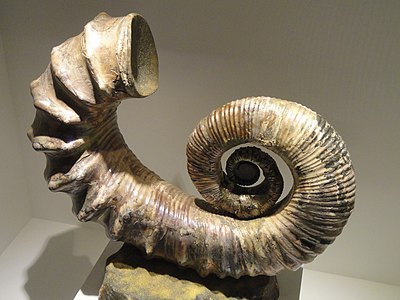
Dicranurus hamatus elegantus, Early Devonian, Haragan Formation, Coal County, Oklahoma, USA - Houston Museum of Natural Science - DSC01680






Foundational Vision and Institutional Growth
The Houston Museum of Natural Science (HMNS) traces its origins back to 1909, established by the Houston Museum and Scientific Society with a clear mandate: to provide free access to scientific knowledge and education for the public. This foundational principle of accessibility has guided its development into one of the most visited museums in the United States. The institution's complex now comprises a central four-story facility housing extensive natural science halls, alongside specialized attractions like the Burke Baker Planetarium, the Cockrell Butterfly Center, and the Wortham Giant Screen Theatre.
This architectural and programmatic expansion reflects a sustained commitment to offering a comprehensive and engaging educational experience, evolving from a society's aspiration into a significant cultural and scientific landmark.
Curatorial Breadth
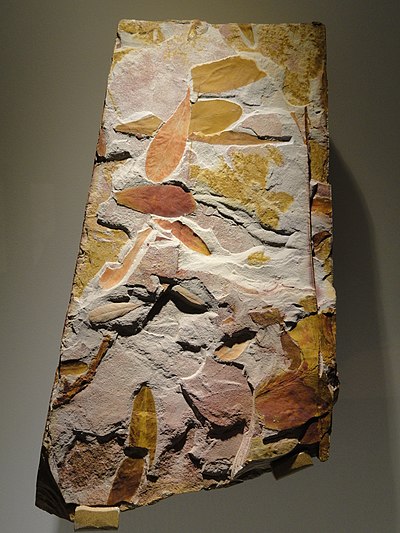
HMNS distinguishes itself through the sheer breadth and depth of its permanent collections and temporary exhibitions. Its paleontology halls are a major draw, featuring impressive dinosaur skeletons that provide tangible links to prehistoric life, allowing visitors to grasp the immense scale and evolutionary history of these ancient creatures. Beyond fossils, the museum showcases vast collections of minerals and gems, offering insights into Earth's geological processes and the aesthetic wonders of crystallography.
The museum's commitment extends to the celestial realm through the Burke Baker Planetarium, which utilizes advanced projection technology to simulate astronomical phenomena, educate about space exploration, and foster an understanding of our place in the universe. This diverse curatorial approach ensures that HMNS appeals to a wide spectrum of scientific interests.
The Cockrell Butterfly Center
The Cockrell Butterfly Center at HMNS is more than just an exhibit; it's a meticulously designed, interactive ecosystem. This humid, tropical rainforest environment houses thousands of live butterflies, representing numerous species from diverse geographical regions. Visitors can observe the entire life cycle, from eggs and caterpillars to chrysalises and adult butterflies, within a controlled setting.
The center serves as a vital educational tool, illustrating principles of entomology, pollination, and the interconnectedness of species within an environment. Its success lies in its ability to create an immersive, sensory experience that fosters a deeper appreciation for insect biodiversity and the delicate balance of natural habitats, making complex ecological concepts accessible and engaging.
Strategic Engagement and National Prominence
The museum's remarkable visitor numbers, reaching 1,520,000 in 2022, solidify its status as a national leader in science communication and public engagement. Its ranking as the seventh most-visited museum and third most-visited science museum in the U.S. highlights its broad appeal, particularly its success in drawing audiences from outside the traditional major cultural centers of New York and Washington D.C. A key driver of this popularity is the museum's dynamic programming, especially its consistent delivery of high-quality, traveling special exhibits.
These temporary installations introduce novel scientific topics and artifacts, generating significant buzz and encouraging repeat visitation. This strategic approach to exhibit curation ensures HMNS remains a vibrant, relevant, and continuously evolving destination for scientific discovery.
HMNS as a Catalyst for Scientific Literacy
The Houston Museum of Natural Science functions as a critical nexus for fostering scientific literacy within the community and beyond. By offering free admission to its core exhibits, it upholds its founding principle of universal access to knowledge, democratizing scientific exploration. The integration of formal educational programs, from school field trips to adult lectures, complements the informal learning that occurs through exhibit engagement.
The museum's diverse offerings-spanning paleontology, geology, entomology, astronomy, and more-provide a holistic view of the natural world and scientific inquiry. In an era where understanding scientific principles is paramount, HMNS plays an indispensable role in inspiring curiosity, promoting critical thinking, and cultivating a scientifically informed populace, demonstrating the profound impact of well-executed public science institutions.
See also
Based on content from Wikipedia · Licensed under CC BY-SA 4.0