

Honour: Being Your Best Self!
Images
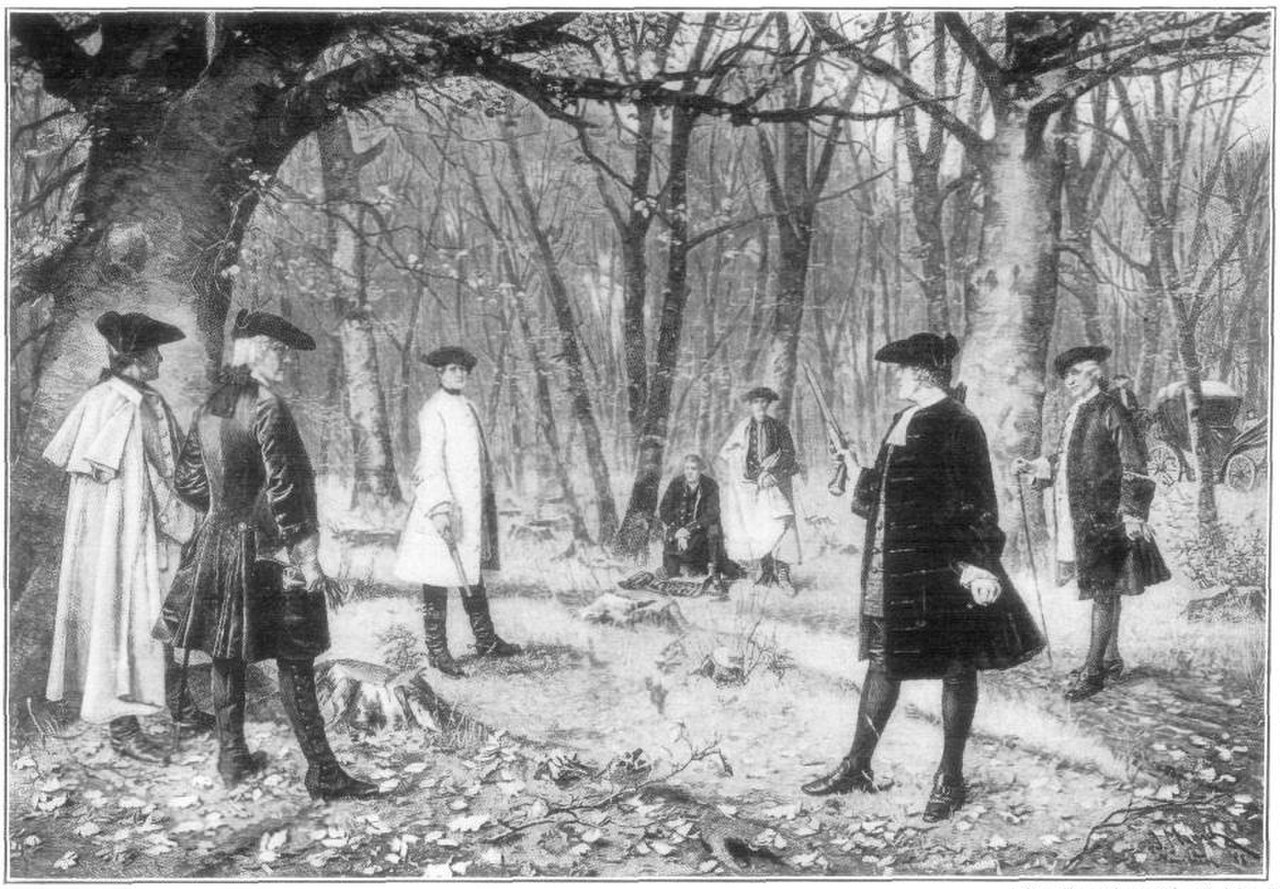
Honour
Deconstructing the Essence of Honour
Honour, at its philosophical core, represents a commitment to a set of esteemed values, often involving moral rectitude, integrity, and a profound sense of duty. It transcends mere adherence to rules; it is an internalised framework that dictates behaviour, particularly in situations demanding ethical judgment. Historically, honour has been intrinsically linked to reputation and public esteem, acting as a powerful social currency.
In many cultures, it was not just about personal conduct but also about fulfilling one's societal role with distinction. The pursuit of honour often involves a willingness to sacrifice personal comfort or even safety for the sake of upholding principles, demonstrating a high degree of moral courage and self-discipline. It is the bedrock upon which trust is built, enabling complex social interactions and cooperative endeavours.
The Shifting Sands of Honour Through Millennia
The understanding and application of honour have evolved dramatically across different eras and cultures. In ancient societies, honour was often tied to lineage, martial prowess, and public recognition, with shame being a powerful deterrent against dishonourable acts. The classical world saw honour as integral to civic virtue and the pursuit of excellence (arete).
The medieval period elevated chivalry, a specific code of honour for knights, emphasizing loyalty, courtesy, and the protection of the weak, though often with a rigid social hierarchy. The Enlightenment brought a greater focus on individual rights and reason, influencing conceptions of honour towards more universal ethical principles. In modern discourse, honour is often debated in relation to concepts like dignity, respect, and authenticity, reflecting a more nuanced and individualised approach to moral conduct.
The Indispensable Role of Honour in Social Cohesion
The significance of honour in society cannot be overstated. It serves as a vital mechanism for fostering trust and predictability within communities. When individuals and institutions are perceived as honourable, it reduces the need for constant surveillance and enforcement, allowing for more efficient and harmonious social functioning.
Honour codes, whether explicit or implicit, provide shared expectations for behaviour, guiding interactions and resolving potential conflicts. Furthermore, the pursuit of honour can motivate individuals to strive for excellence, contribute positively to society, and uphold ethical standards, even in the face of adversity. It underpins the legitimacy of leadership and the stability of institutions by assuring stakeholders of good faith and commitment to shared values.
Manifestations of Honour in Contemporary Life
While the overt rituals of honour may have diminished, its principles remain deeply embedded in contemporary life. Professional ethics codes in fields like medicine, law, and journalism are modern iterations of honour systems, designed to ensure integrity and public trust. In business, corporate social responsibility and ethical leadership are expressions of honour.
On a personal level, honour manifests in everyday actions: keeping promises, admitting mistakes, acting with fairness, and defending the vulnerable. Even in competitive environments, honourable conduct involves respecting rules, opponents, and the spirit of the game. The concept also intersects with identity, as individuals strive to live authentically and in accordance with their deeply held values, thereby maintaining their personal honour.
Interconnected Concepts
Honour does not exist in isolation; it is intricately connected to a constellation of related philosophical and ethical concepts. Virtue is perhaps its closest relative, representing a disposition towards moral excellence. Dignity is the inherent worthiness of respect that honour seeks to uphold. Reputation is the external manifestation of one's perceived honour. Loyalty is a crucial component, signifying steadfastness to people, causes, or principles. Courage is often a prerequisite for honourable action, especially when facing opposition or personal risk. Justice and fairness are the principles that honourable conduct seeks to embody. Understanding these connections reveals honour as a complex, multifaceted ideal that shapes individual character and societal norms.
Go deeper
Frequently Asked Questions
What does honour mean?+
Why is honour like a superpower?+
How can I show honour every day?+
Where do people use honour?+
When do we need honour the most?+
Based on content from Wikipedia · Licensed under CC BY-SA 4.0