

HMS Queen Mary
Images

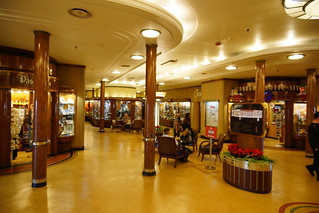
2011-12-23 01-01 Kalifornien 417 Los Angeles, Harbor, HMS Queen Mary I


A Pinnacle of Naval Design
The HMS Queen Mary, commissioned in 1913, represented the zenith of British battlecruiser development prior to the First World War. As the sole vessel of her class, she embodied a distinct evolutionary step, incorporating lessons learned from the preceding Lion-class ships while pushing the boundaries of speed, firepower, and protection. Her design featured an armament of eight formidable 13.5-inch (343 mm) guns, mounted in four twin turrets, capable of delivering devastating broadsides.
This powerful offensive capability was balanced by a respectable, though ultimately insufficient, armor scheme designed to withstand enemy shellfire. The ship's dimensions were impressive, measuring 700 feet (210 m) in length, and she was powered by advanced Parsons turbines, enabling her to reach speeds of up to 28 knots (52 km/h; 32 mph). The Queen Mary was not merely a warship; she was a statement of imperial power and technological prowess, a symbol of Britain's naval supremacy on the eve of global conflict.
Operational Deployment and the North Sea Patrol
Upon her completion, HMS Queen Mary was integrated into the Grand Fleet, the formidable naval force responsible for maintaining control of the seas. Her operational career was largely confined to the North Sea, a strategically vital but often challenging environment. In August 1914, she participated in the Battle of Heligoland Bight, an early naval engagement aimed at disrupting German naval operations.
Later that year, she was part of a force that attempted to intercept a German battlecruiser squadron that had bombarded the English coast. While this specific interception failed, the Queen Mary's constant presence and readiness were crucial deterrents. Throughout the war, British battlecruisers like the Queen Mary were tasked with scouting, screening capital ships, and engaging enemy battlecruisers, a dangerous role that demanded both speed and resilience.
The strategic limitations of the North Sea meant that these powerful vessels were often denied opportunities for decisive action against the main German fleet.
The Crucible of Jutland
The Battle of Jutland, fought on May 31-June 1, 1916, was the most significant naval engagement of World War I, pitting the entirety of the British Grand Fleet against the German High Seas Fleet. HMS Queen Mary, as part of the 1st Battlecruiser Squadron, was thrust into the heart of the action. During the fierce gunnery duels of the battle's early stages, she came under heavy fire from the German battlecruiser SMS Derfflinger.
Two direct hits from Derfflinger's 12-inch guns penetrated the Queen Mary's decks, igniting her main propellant magazines. The resulting catastrophic explosion was immense, tearing the ship apart and causing her to sink rapidly. Of the 1,286 men on board, only 20 survived.
The loss of the Queen Mary, along with other battlecruisers like HMS Indefatigable and HMS Invincible, highlighted the inherent vulnerabilities of battlecruiser design when subjected to sustained, heavy fire, particularly concerning magazine safety.
Preservation and Historical Significance
The wreck of HMS Queen Mary was discovered in 1991, lying in pieces on the seabed of the North Sea. The site is a poignant testament to the ferocity of the Battle of Jutland, with some sections of the hull found inverted. In recognition of its historical importance and the tragic loss of life, the wreck is designated as a protected place under the Protection of Military Remains Act 1986, serving as a war grave.
The Queen Mary's story is a critical case study in naval history, illustrating the evolution of warship design, the tactical doctrines of the era, and the devastating consequences of naval warfare. Her loss underscored the need for improved magazine protection and contributed to the ongoing debate about the role and survivability of battlecruisers in fleet actions. The wreck continues to be a site of remembrance and a tangible link to the sacrifices made during World War I.
Beyond the Horizon
The HMS Queen Mary, as the last of her kind, represents a transitional phase in naval warfare. Battlecruisers, designed for speed and striking power, were intended to outmaneuver and destroy lesser vessels while being able to hold their own against heavier opponents. However, Jutland revealed their Achilles' heel: their lighter armor made them vulnerable to the concentrated fire of enemy battlecruisers and battleships.
While the battle itself was tactically inconclusive, it led to a re-evaluation of naval design and strategy. The Queen Mary's fate, along with that of her sister ships, contributed to a shift in focus towards more heavily armored and gunned battleships for decisive fleet engagements. Nevertheless, the concept of a fast, powerful warship remained influential, evolving into later classes of cruisers and aircraft carriers that would dominate naval warfare in the decades to come.
The Queen Mary's legacy is thus not just one of tragic loss, but also of a crucial lesson learned that shaped the future of naval power.
See also
Frequently Asked Questions
What was HMS Queen Mary?+
How fast could HMS Queen Mary go?+
What happened to HMS Queen Mary at the Battle of Jutland?+
How many people were on board HMS Queen Mary when it sank?+
Where can we find the wreck of HMS Queen Mary today?+
Based on content from Wikipedia · Licensed under CC BY-SA 4.0