

Heterotrophs: The Eaters of the World!
Images

Auto-and heterotrophs-sv

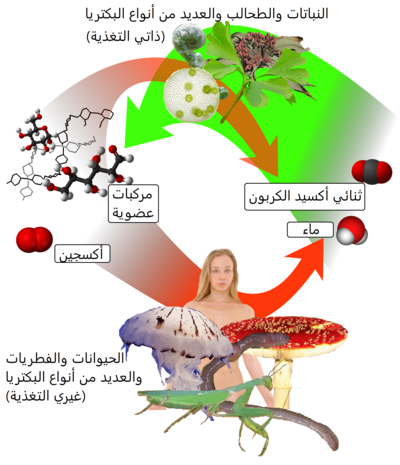


Defining the 'Other Nourishment'
Heterotrophs, derived from the Greek 'héteros' (other) and 'trophḗ' (nourishment), represent a fundamental division in biological nutrition. Unlike autotrophs, which synthesize their own organic compounds from inorganic sources (e.g., through photosynthesis or chemosynthesis), heterotrophs are incapable of this self-sufficiency. They are obligate consumers, deriving all necessary organic carbon and energy by feeding on other organisms or their byproducts.
This dependency places them squarely as consumers within ecological frameworks, occupying trophic levels above the primary producers. The term, formalized in microbiology in 1946, now broadly applies across ecology, zoology, mycology, and beyond, highlighting a universal biological strategy for energy acquisition that underpins the vast majority of life on Earth. Their existence is not merely a passive consumption but an active participation in energy transfer and material cycling.
A Spectrum of Consumption
The classification of heterotrophs reveals a remarkable diversity in their methods of acquiring sustenance. Primarily, they are categorized by their energy source. Chemoheterotrophs, the most common type, utilize chemical energy, much like humans and fungi.
Photoheterotrophs, a less common group including certain bacteria like Haloquadratum walsbyi, harness light energy but still require organic compounds for carbon. Further distinctions arise from their feeding habits: herbivores consume plants, carnivores consume animals, and omnivores consume both. Detritivores specialize in consuming dead organic matter (detritus), while saprotrophs (a subset of chemoheterotrophs) employ extracellular digestion to break down decaying material, often through specialized structures like fungal hyphae.
This intricate web of feeding strategies ensures that organic matter is processed and energy is channeled through virtually every ecological niche, from the soil microbiome to the apex predators.
The Ecological Significance
Heterotrophs are the dynamic engines of ecosystems, indispensable for maintaining biological diversity and planetary health. As primary, secondary, and tertiary consumers, they regulate producer populations, preventing unchecked growth and resource depletion. Their consumption patterns directly influence community structure and species interactions.
Furthermore, heterotrophs are critical agents of nutrient cycling. Through respiration and excretion, they release essential elements back into the environment, making them available for autotrophs. Decomposers, a specialized group of heterotrophs, are particularly vital, breaking down complex organic matter into simpler inorganic compounds.
Without this constant recycling, nutrients would become locked away, rendering ecosystems unsustainable. The presence and abundance of diverse heterotrophic communities are therefore direct indicators of ecosystem health and resilience.
The Human Factor
As humans, we are quintessential heterotrophs. Our inability to photosynthesize or chemosynthesize necessitates a constant intake of food for energy and building materials. This fundamental biological reality shapes our societies, economies, and interactions with the environment.
Agriculture, animal husbandry, and global food distribution systems are all elaborate human strategies for securing heterotrophic nutrition on a massive scale. Our dietary choices, from plant-based diets to high-meat consumption, have profound ecological footprints, impacting land use, water resources, and greenhouse gas emissions. Understanding our heterotrophic nature is crucial for developing sustainable practices, recognizing our dependence on healthy ecosystems, and appreciating the interconnectedness that links our own survival to the intricate food webs we inhabit.
See also
Frequently Asked Questions
What are heterotrophs and why can't they make their own food?+
How do heterotrophs help keep ecosystems healthy?+
What are the different types of heterotrophs?+
Do humans belong to the heterotroph group?+
What is the difference between a saprotroph and a detritivore?+
Based on content from Wikipedia · Licensed under CC BY-SA 4.0