

Henry VIII (play)
Images
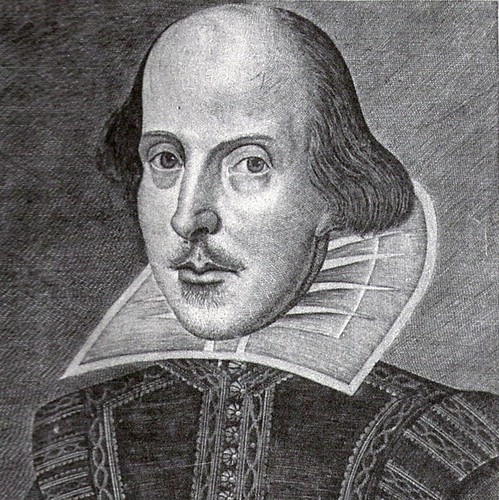
William Shakespeare
Authorship Debates and Stylistic Signatures
The play 'Henry VIII,' officially titled 'The Famous History of the Life of King Henry the Eighth' and also known as 'All Is True,' presents a fascinating case study in literary collaboration. Stylistic analysis, a method used by scholars to identify individual writing patterns, strongly suggests that William Shakespeare and John Fletcher, his successor as the primary playwright for the King's Men acting company, co-authored the work.
Different scenes are attributed to each playwright, reflecting their distinct voices and approaches to dramatic structure and characterization. This collaboration is characteristic of the later period of English Renaissance theatre, where established playwrights often worked together to meet the demands of prolific production schedules. The play's structure also aligns with Shakespeare's late romances, incorporating elements of pageantry and a more reflective tone, even within a historical context.
The Globe Theatre Catastrophe
The performance history of 'Henry VIII' is indelibly marked by a catastrophic event: the destruction of the original Globe Theatre in 1613. During a performance of the play, a theatrical effect involving a cannon, intended to signal the king's arrival, misfired. The wadding from the cannon ignited the theatre's thatched roof, leading to a conflagration that consumed the entire structure.
This incident, while a devastating loss for the theatrical world, paradoxically cemented the play's notoriety. It serves as a stark reminder of the volatile nature of live performance in the era and the risks inherent in theatrical innovation. The rebuilding of the Globe shortly thereafter underscores the resilience and importance of this iconic venue to London's cultural landscape.
Significance as Historical Drama and Theatrical Text
'Henry VIII' holds significant value as a historical drama, offering a dramatic portrayal of a tumultuous period in English monarchy. It delves into themes of political intrigue, the precariousness of power, and the personal lives of royalty, particularly focusing on Henry VIII's marital issues and the subsequent shifts in political alliances. Beyond its historical narrative, the play is notable for its theatricality.
It features more detailed stage directions than any other play attributed solely to Shakespeare. This emphasis on directorial instruction suggests a conscious effort to shape the audience's experience through precise staging, visual spectacle, and nuanced performance cues, making it a rich text for studying early modern theatrical practices and the craft of playwriting.
The Evolution of the Text and Its Legacy
The title 'Henry VIII' did not appear until the play's publication in the First Folio of 1623, six years after Shakespeare's death. Contemporary documents record the play under the alternative title 'All Is True,' which hints at the playwrights' intention to present a truthful, or at least plausible, account of historical events. This distinction is important for understanding how the play was perceived and marketed during its initial run.
The play's enduring legacy lies in its complex authorship, its dramatic depiction of a pivotal historical figure, and its unique contribution to the theatrical repertoire. It continues to be studied and performed, offering insights into the collaborative nature of Elizabethan theatre and the enduring power of historical narrative.
See also
Based on content from Wikipedia · Licensed under CC BY-SA 4.0