

Harlem Renaissance
Images

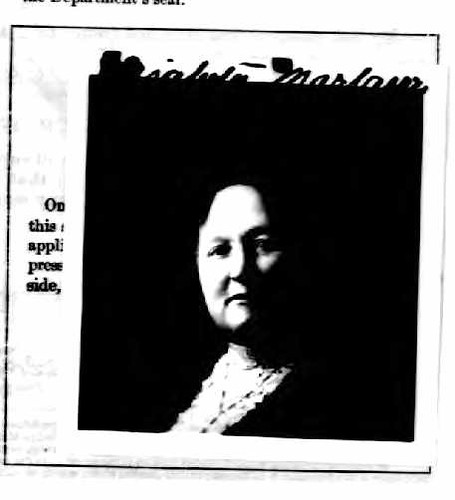
Three Harlem Women, ca. 1925



![Lois Mailou Jones - Jeune Fille Francaise [1951]](https://live.staticflickr.com/4134/4795903196_d61818a045_n.jpg)


The Genesis of a Cultural Awakening
The Harlem Renaissance, flourishing primarily in the 1920s and 1930s, was far more than a localized artistic trend; it was a profound intellectual and cultural efflorescence of African-American life. Centered in Harlem, Manhattan, this movement encompassed literature, music, visual arts, theater, dance, fashion, politics, and scholarship. It marked a critical moment when African Americans began to define and express their identity on their own terms, challenging prevailing racist narratives and asserting their place in American society.
The era was also known as the 'New Negro Movement,' a term popularized by Alain Locke in his 1925 anthology, signifying a conscious break from old stereotypes and a embrace of a more assertive and self-aware Black identity. This intellectual shift was fueled by a burgeoning Black middle class and a growing desire for self-determination.
The Great Migration and the Crucible of Harlem
The demographic shifts of the Great Migration were instrumental in creating the conditions for the Harlem Renaissance. As hundreds of thousands of African Americans fled the oppressive Jim Crow South, seeking economic opportunities and escaping racial violence, Harlem became a magnet for this influx. This concentration of Black populations from diverse backgrounds-including those from the Caribbean-created a unique cultural melting pot.
While the artistic output was geographically tied to Harlem, the influences and artists themselves were often migratory. The neighborhood served as a crucial incubator, a space where shared experiences, aspirations, and artistic collaborations could flourish, transforming it into a vibrant center of Black intellectual and creative life. This convergence of people and ideas provided the fertile ground for the unprecedented artistic output that followed.
Artistic Innovation and the Redefinition of Black Identity
The artistic achievements of the Harlem Renaissance were groundbreaking. In literature, writers like Langston Hughes, Claude McKay, and Zora Neale Hurston explored the complexities of Black life, identity, and the African-American experience with unprecedented depth and nuance. Their works often celebrated Black vernacular, folklore, and the resilience of the human spirit.
Musically, jazz, with its improvisational spirit and infectious rhythms, became the soundtrack of the era, with figures like Duke Ellington and Louis Armstrong achieving international fame and revolutionizing American music. Visual artists such as Aaron Douglas, Jacob Lawrence, and Augusta Savage used their canvases and sculptures to depict Black history, culture, and contemporary life, often challenging traditional artistic conventions and reclaiming African artistic heritage. Theater and dance also saw significant innovation, providing platforms for Black performers and stories.
Enduring Impact and Institutionalization
The Harlem Renaissance was a pivotal moment in American cultural history, leaving an indelible mark on the nation's artistic landscape and contributing significantly to the struggle for civil rights. It demonstrated the immense creative power and cultural richness of African Americans, challenging racist ideologies and fostering a sense of collective pride. The movement's zenith, roughly between 1924 and 1929, was marked by significant engagement from white publishers and patrons, leading to the institutionalization of Black art within mainstream cultural institutions.
Although the Great Depression and World War II brought an end to its peak, the legacy of the Harlem Renaissance continues to resonate. It laid the groundwork for future artistic movements and activism, proving the power of art as a tool for social change and cultural affirmation, and its influence can still be seen in contemporary art, music, and literature.
Go deeper
Frequently Asked Questions
What was the Harlem Renaissance?+
Why did many African Americans move to Harlem?+
Who were some famous writers of the Harlem Renaissance?+
How did jazz music help the Harlem Renaissance?+
What does the Harlem Renaissance show about Black people?+
Based on content from Wikipedia · Licensed under CC BY-SA 4.0