

H. G. Wells
Images
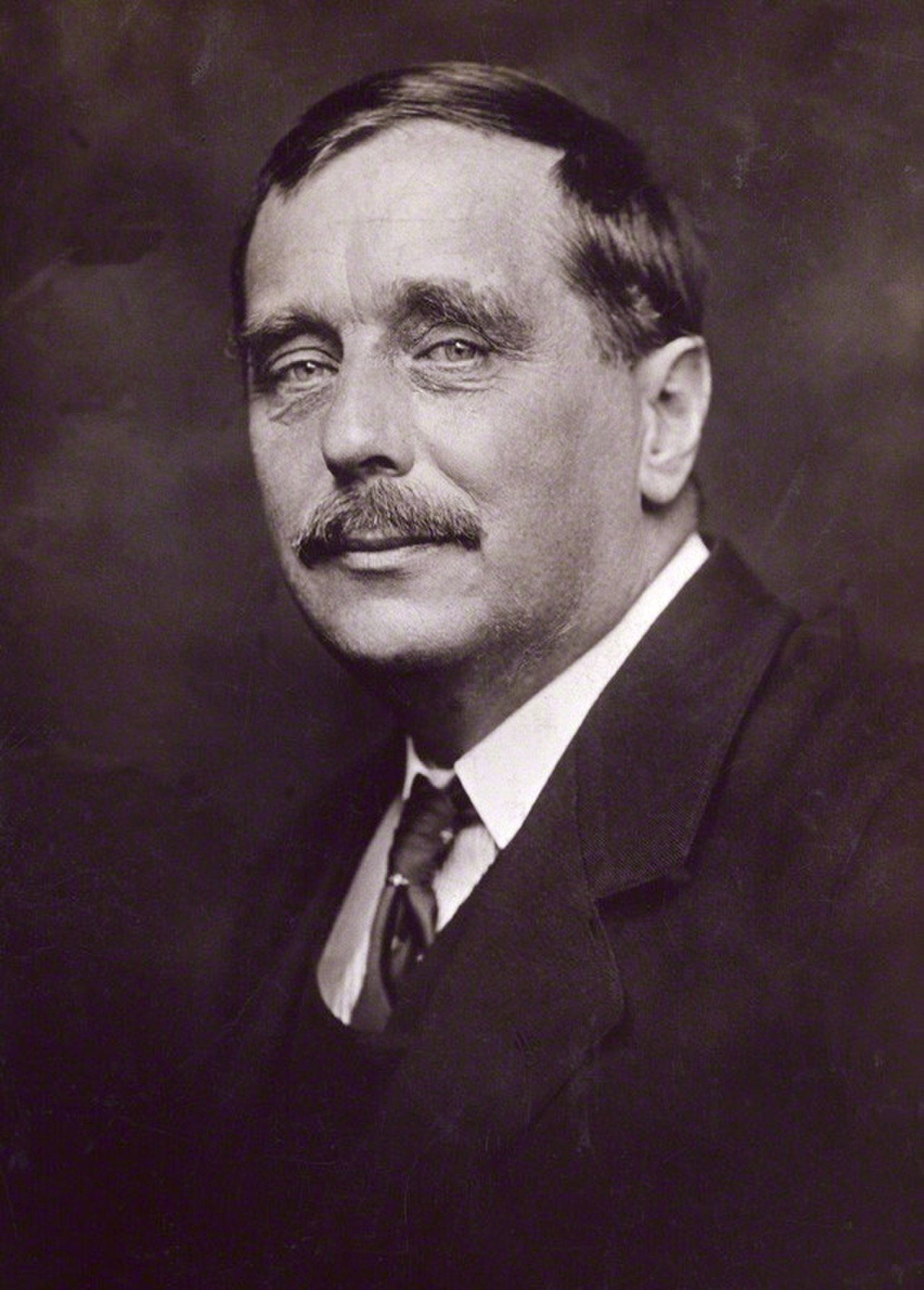
H. G. Wells
The Genesis of a Literary Visionary
Herbert George Wells (1866-1946) emerged as a pivotal figure in English literature, transcending genre boundaries with his prolific output. Initially trained in biology, his scientific background profoundly informed his literary endeavors, lending a unique credibility to his speculative narratives. Wells’s early career saw him engaging with social and scientific commentary, but it was his foray into what he termed 'scientific romances' that cemented his legacy.
He possessed an extraordinary ability to weave complex scientific concepts and social observations into compelling, accessible stories. This approach, later dubbed 'Wells's law' by Joseph Conrad, involved grounding extraordinary premises with meticulous, commonplace detail, making the fantastic feel remarkably plausible and earning him accolades like 'O Realist of the Fantastic!'.
Pioneering the Tropes of Science Fiction
Wells is widely recognized as a foundational figure in science fiction, often sharing the title 'father of science fiction' with Jules Verne and Hugo Gernsback. His novels introduced and popularized many of the genre's most enduring tropes. 'The Time Machine' (1895) not only presented the concept of temporal displacement but also served as a vehicle for social commentary on class divisions and humanity's evolutionary trajectory. 'The War of the Worlds' (1898) remains a seminal work of alien invasion literature, exploring themes of colonialism and technological superiority.
Works like 'The Invisible Man' (1897) and 'The Island of Doctor Moreau' (1896) delved into the ethical quandaries of scientific advancement, particularly in biology and physics, posing profound questions about identity, control, and the consequences of unchecked innovation.
A Prophet of Technological and Social Change
Wells's influence extends far beyond fictional narratives; he was a fervent futurist and social critic who actively engaged with the pressing issues of his time and envisioned future possibilities. His writings presciently anticipated numerous technological developments, including aircraft, tanks, space travel, nuclear weapons, satellite television, and even precursors to the World Wide Web. He was a vocal advocate for global cooperation and social reform, penning utopian works and extensive non-fiction on politics, history, and social commentary.
While often aligning with socialist ideals, his views evolved, and he dedicated significant energy to advocating for a progressive global vision, demonstrating a deep commitment to shaping a better future through intellectual discourse and literary influence.
Enduring Relevance and Literary Impact
The impact of H. G. Wells on literature and culture is immeasurable.
He demonstrated that science fiction could be more than mere entertainment; it could be a powerful tool for exploring complex philosophical, social, and scientific ideas. His novels, including social realism works like 'Kipps' and 'The History of Mr Polly,' also showcased his versatility, earning comparisons to Charles Dickens for his keen observations of English society. Wells's ability to synthesize scientific thought, social critique, and imaginative storytelling created a literary legacy that continues to inspire writers, filmmakers, and thinkers.
His nominated status for the Nobel Prize in Literature four times underscores the profound respect his work commanded across diverse fields, solidifying his position as a literary titan whose ideas remain remarkably relevant.
Beyond the Page
Wells's engagement with the world extended beyond his writing desk. His early scientific training in biology, particularly within a Darwinian framework, shaped his ethical and social perspectives. As an outspoken socialist, he often championed pacifist views, though his stance could shift, notably during World War I.
In his later years, his focus increasingly shifted towards non-fiction works articulating his political and social philosophies. Demonstrating a commitment to public health, Wells, who lived with diabetes, co-founded The Diabetic Association (now Diabetes UK) in 1934, highlighting his practical application of his concern for societal well-being. His life was a testament to the power of intellect and imagination applied to both the fantastical and the practical challenges of human existence.
See also
Based on content from Wikipedia · Licensed under CC BY-SA 4.0