

Gypsum: The Rock That Builds and Writes!
Images
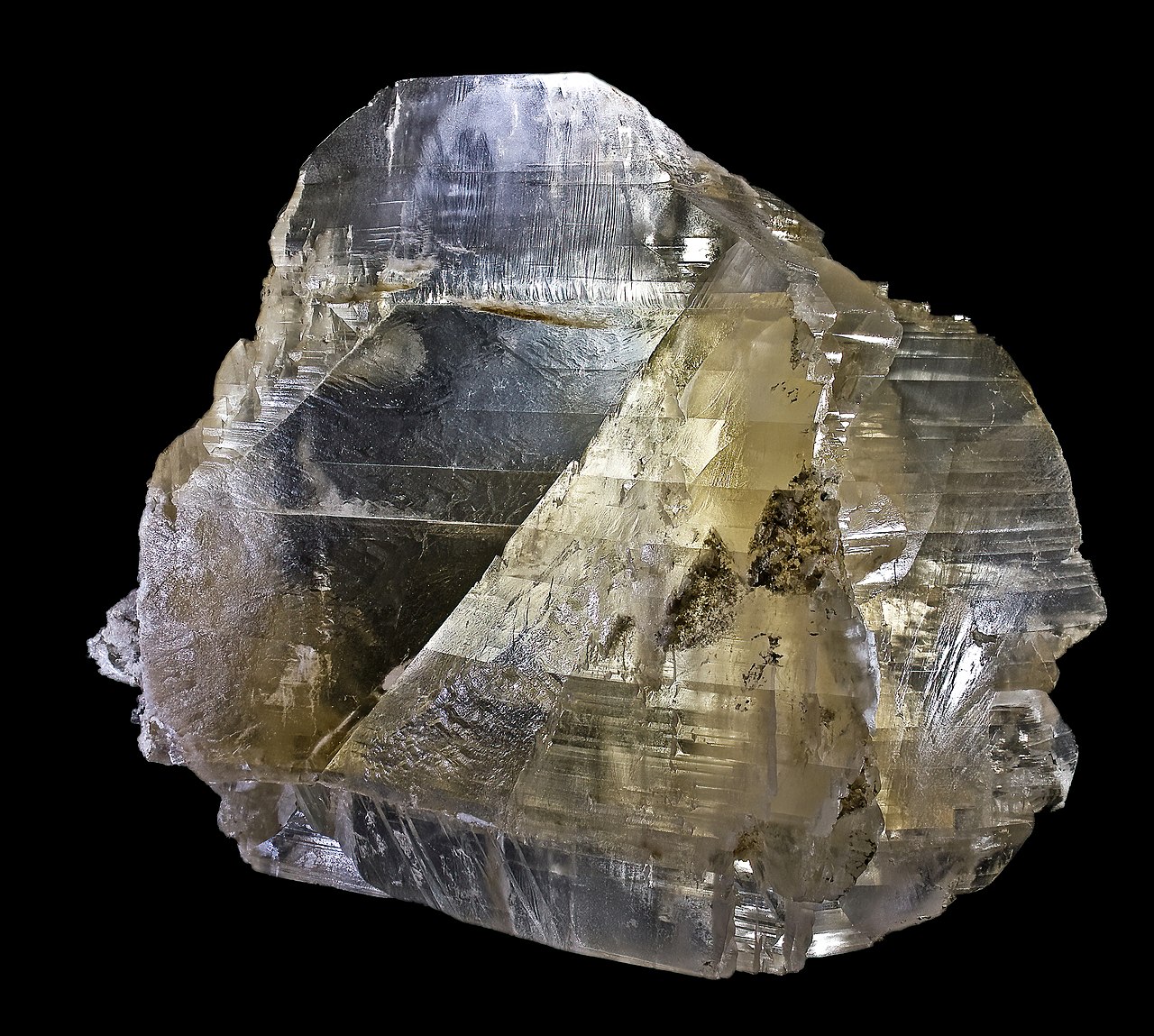
Gypsum
The Chemical Identity and Physical Properties of Gypsum
Gypsum, chemically identified as calcium sulfate dihydrate (CaSO4·2H2O), is a fundamental sulfate mineral. Its structure incorporates two water molecules per formula unit, which significantly influences its physical properties, particularly its low Mohs hardness of 2. This makes it relatively soft and easily workable, a characteristic that has been exploited throughout history and in modern industry.
Gypsum typically presents as a white or translucent mineral, often found in massive, granular, or fibrous forms. Crystalline varieties, such as the clear, glassy selenite, are notable for their optical clarity and distinct crystal habit. Alabaster, a fine-grained, massive variety, is distinguished by its smooth texture and light color, making it ideal for carving. Gypsum deposits are widespread globally, forming in various geological settings.
Geological Genesis
The primary geological origin of gypsum lies in its classification as an evaporite mineral. It commonly precipitates from brines in arid or semi-arid environments, such as playa lakes, salt flats, and restricted marine basins, where evaporation rates exceed inflow. As water evaporates, dissolved salts become concentrated, leading to the sequential precipitation of minerals, with gypsum typically forming after carbonates but before halite.
Gypsum can also form through the hydration of anhydrite (CaSO4). Anhydrite is often found in similar evaporite sequences but lacks water molecules. When anhydrite is exposed to water, it readily absorbs H2O to transform into gypsum.
This process is reversible under specific temperature and pressure conditions, where gypsum can dehydrate back to anhydrite.
Industrial Significance
Gypsum is indispensable to the modern construction industry. Its most significant application is in the manufacture of drywall (also known as plasterboard or wallboard), a ubiquitous building material for interior walls and ceilings. The process involves heating gypsum to drive off about three-quarters of its water, creating a calcined product known as plaster of Paris.
This powder, when mixed with water, rapidly rehydrates and sets into a hard, stable matrix. This property is leveraged not only for drywall but also for plasters, mortars, and decorative architectural elements. Beyond construction, gypsum is a crucial component in Portland cement production, where it acts as a retarder, controlling the setting time of the cement.
In agriculture, gypsum serves as a soil amendment, improving soil structure, reducing aluminum toxicity, and providing essential calcium and sulfur nutrients for plant growth, particularly in sodic or clay-rich soils.
Historical and Artistic Applications of Gypsum
The aesthetic qualities of gypsum, particularly the alabaster variety, have been appreciated since antiquity. Ancient Mesopotamian, Egyptian, and Roman cultures utilized alabaster for intricate sculptures, reliefs, and decorative objects, valuing its fine grain and ease of carving. During the Middle Ages, particularly in England, Nottingham alabasters were renowned for their detailed religious carvings, often exported across Europe.
The translucent selenite crystals have also been collected and admired for their natural beauty. In contemporary times, gypsum continues its role in artistic and educational contexts, most notably as the primary material for chalk used on blackboards and sidewalks, facilitating communication and learning across generations.
Go deeper
Based on content from Wikipedia · Licensed under CC BY-SA 4.0