

Gruiformes: The Wading Wonders!
Images

Gruiformes


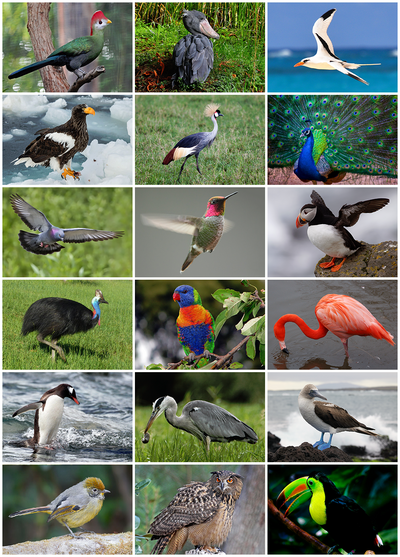


Phylogenetic Puzzle
The order Gruiformes presents a fascinating case study in avian evolution, characterized by a polyphyletic or paraphyletic origin, meaning its members are not all descended from a single common ancestor in the way traditionally defined. This taxonomic complexity has led to ongoing debate and revision within ornithology. Historically, the order encompassed a broad array of ground-dwelling birds, many of which have since been reclassified.
Modern interpretations often focus on a core group, including cranes (Gruidae) and rails (Rallidae), which share distinct morphological and behavioral traits adapted to specific ecological niches. Understanding their evolutionary pathways requires examining molecular data alongside morphological evidence, revealing convergent evolution in traits like long legs and specialized foraging beaks among unrelated species that occupy similar wetland environments.
Global Distribution and Habitat Specialization
The geographical spread of Gruiformes is extensive, with species found on every continent except Antarctica, reflecting their remarkable adaptability to a wide range of wetland ecosystems. From the vast boreal marshes of North America and Eurasia to the tropical mangrove swamps of South America and Africa, and the temperate reed beds of Australia, these birds occupy diverse hydrological landscapes.
This broad distribution is underpinned by significant habitat specialization. For instance, cranes often prefer open, shallow wetlands with ample foraging space and visibility, while rails are adept at navigating dense, vegetated areas, utilizing their slender bodies and cryptic coloration for concealment. The availability of suitable nesting sites and protection from predators are critical factors influencing their local distribution and population densities.
Dietary Strategies and Foraging Adaptations
The omnivorous diet of Gruiformes is a testament to their ecological plasticity. Their foraging strategies are finely tuned to exploit the rich resources of wetland environments. Cranes, with their powerful beaks, are known to consume a variety of food items, including grains, roots, tubers, insects, earthworms, small vertebrates like frogs and rodents, and even carrion.
Rails, often more secretive, specialize in probing soft substrates for invertebrates such as snails, crustaceans, and aquatic insects, supplemented by seeds and plant matter. This dietary flexibility allows them to thrive in environments where food availability can fluctuate seasonally. Their foraging behaviors, such as meticulous probing and selective picking, contribute to nutrient cycling within wetland ecosystems.
Behavioral Ecology
The behavioral ecology of Gruiformes is rich and varied, offering insights into avian social systems and reproductive strategies. Cranes are particularly renowned for their complex and elaborate courtship rituals, which involve synchronized dancing, bowing, and vocalizations. These displays are crucial for pair bonding, reinforcing social bonds, and establishing territorial rights.
Many crane species are monogamous and exhibit strong pair fidelity, often raising their young cooperatively. Rails, in contrast, tend to be more solitary or live in smaller family groups, relying heavily on camouflage and rapid escape tactics. Their nesting behaviors also vary, from open nests in marshes to concealed nests within dense vegetation, reflecting adaptations to different predator pressures and environmental conditions.
Vocalizations play a significant role in communication for many species, serving purposes ranging from alarm calls to territorial defense and mate attraction.
Ecological Significance and Conservation Imperatives
Gruiformes are keystone species in many wetland ecosystems, playing vital roles in maintaining ecological balance. Their foraging activities influence invertebrate and plant communities, and their seed dispersal contributes to plant biodiversity. As indicator species, their population health often reflects the overall condition of their wetland habitats.
Unfortunately, many Gruiformes face significant conservation challenges, primarily driven by anthropogenic factors such as habitat destruction, degradation, and fragmentation due to agriculture, urbanization, and pollution. Climate change further exacerbates these threats by altering hydrological regimes and vegetation patterns. Species like the Whooping Crane (Grus americana) and the Kagu (Rhynochetos jubatus) are critically endangered, highlighting the urgent need for targeted conservation efforts, including habitat restoration, captive breeding programs, and policy interventions to protect these unique avian lineages and the vital ecosystems they inhabit.
See also
Frequently Asked Questions
What makes Gruiformes special wading birds?+
Why do cranes prefer open wetlands while rails like dense vegetation?+
How do Gruiformes help wetlands?+
Where can you find Gruiformes around the world?+
What do cranes do during courtship?+
Based on content from Wikipedia · Licensed under CC BY-SA 4.0