

Graceland: Elvis' Amazing Home!
Images

Elvis Presley Graceland portrait




The Genesis of a Legend's Sanctuary
Graceland, situated on a sprawling 13.8-acre estate in Memphis, Tennessee, was more than just a house; it was the personal sanctuary of Elvis Presley, the undisputed King of Rock and Roll. Purchased by a 22-year-old Elvis in 1957, the mansion, originally built in 1939, was transformed into a reflection of his unique personality and burgeoning stardom. Elvis expanded the property and infused the home with his distinctive style, most famously the Jungle Room, a themed space that also served as a recording studio for albums like 'From Elvis Presley Boulevard, Memphis, Tennessee.' The estate became the epicenter of his private life, a place where he could retreat from the intense glare of public life, spend time with family, and cultivate his creative output.
The very architecture and decor of Graceland tell a story of Elvis's journey from humble beginnings to global superstardom, making it an intrinsic part of his enduring legacy.
From Private Residence to Public Icon
Following Elvis Presley's untimely death on August 16, 1977, Graceland passed through his estate, eventually becoming the sole property of his daughter, Lisa Marie Presley, after she turned 25. Recognizing its immense cultural significance and the deep connection fans felt to Elvis, the decision was made to open Graceland to the public as a house museum on June 7, 1982. This move was groundbreaking, transforming a private residence into a major tourist attraction and a site of cultural pilgrimage.
Annually, Graceland draws over 650,000 visitors, solidifying its status as one of the most visited historic homes in the United States. This constant stream of admirers underscores the profound and lasting impact Elvis Presley had on popular culture. Furthermore, Graceland serves as the final resting place for Elvis and several members of his family, adding a layer of solemn reverence to its vibrant atmosphere as a memorial.
Graceland's Pivotal Role in Rock Music Heritage
Graceland's historical importance extends far beyond its association with a single artist; it represents a pivotal moment in the recognition of popular music as a significant cultural and historical force. On November 7, 1991, Graceland was listed in the National Register of Historic Places, a landmark achievement that marked the first time a site was officially recognized for its significance related to rock music. This designation acknowledged the genre's profound influence on American society and culture.
The recognition was further elevated on March 27, 2006, when Graceland was declared a National Historic Landmark, again a pioneering designation for a rock music-related site. These honors solidify Graceland's position not just as Elvis's home, but as a monument to the birth and evolution of rock and roll, a genre that revolutionized music, fashion, and social attitudes, leaving an indelible mark on the 20th century and beyond.
The Immersive Graceland Experience
A visit to Graceland offers an unparalleled immersive experience, allowing guests to step directly into the life and times of Elvis Presley. The core of the experience is the mansion tour, which meticulously preserves the rooms as Elvis left them, providing an intimate glimpse into his daily life. Visitors can explore iconic spaces like the formal living room, the dining room, and the famous Jungle Room, absorbing the atmosphere that defined his home.
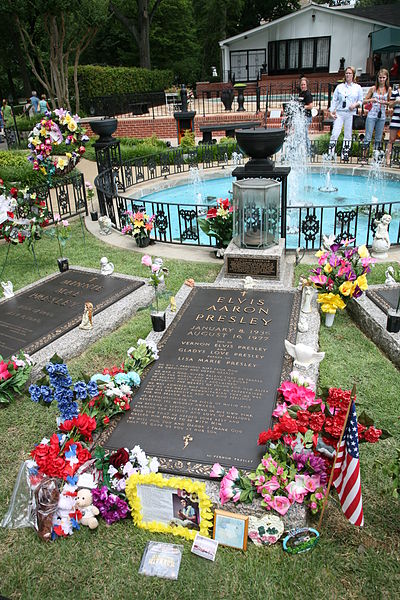
Beyond the mansion, the tour extends to the serene Meditation Garden, the final resting place for Elvis and his family members, offering a moment of reflection. The expansive museum complex further enriches the visitor's understanding with extensive exhibits showcasing Elvis's dazzling career. These displays feature his legendary jumpsuits, multi-platinum records, movie memorabilia, and personal artifacts, painting a comprehensive portrait of the artist and the man.
This multi-faceted approach ensures that Graceland is not merely a historical site but a dynamic testament to Elvis's enduring cultural impact.
The Evolving Legacy of Graceland
The ownership and stewardship of Graceland have evolved over time, ensuring its preservation for future generations. Initially inherited by Elvis' father, Vernon, it later passed to Lisa Marie Presley. Following her passing on January 12, 2023, her eldest daughter, Riley Keough, became the sole trustee and owner.
This transition highlights the ongoing commitment to maintaining Graceland as a vital cultural heritage site. The estate continues to be a focal point for Elvis's legacy, hosting events, concerts, and conventions that celebrate his music and influence. Its status as a National Historic Landmark and its continuous operation as a museum demonstrate its enduring relevance.
Graceland remains a powerful symbol of American popular culture, a testament to the enduring appeal of Elvis Presley, and a crucial site for understanding the history of rock and roll music.
See also
Based on content from Wikipedia · Licensed under CC BY-SA 4.0