

Gilbert and Sullivan: The Wacky Opera Duo!
Images
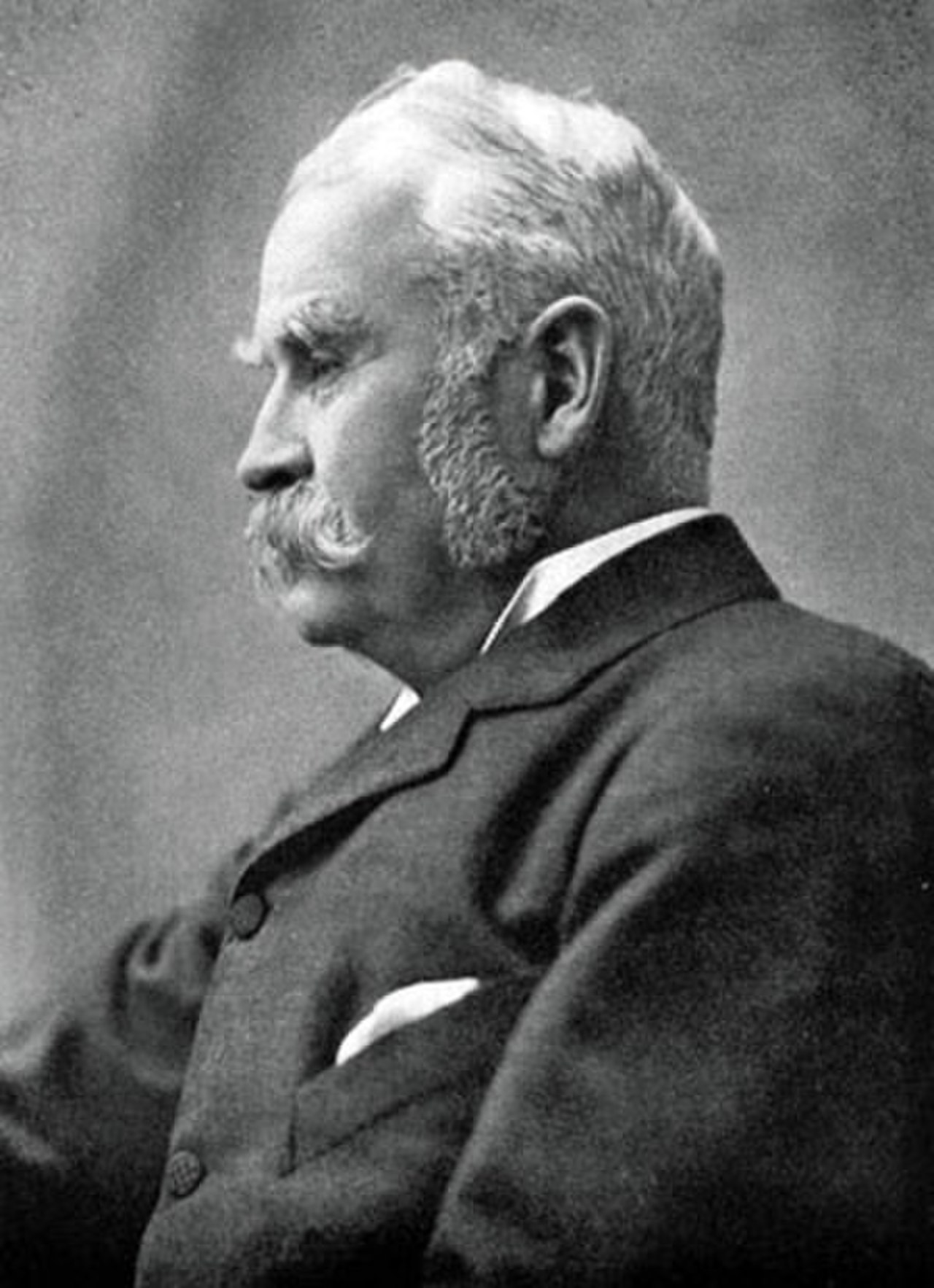
Gilbert and Sullivan
The Genesis of a Theatrical Phenomenon
The partnership between dramatist W. S. Gilbert and composer Arthur Sullivan stands as one of history's most successful and influential theatrical collaborations.
Flourishing during the Victorian era, their joint efforts produced fourteen comic operas between 1871 and 1896, fundamentally altering the landscape of musical entertainment. Their collaboration was masterfully orchestrated by producer Richard D'Oyly Carte, who recognized their complementary talents and fostered their creative synergy. Carte's vision extended to constructing the iconic Savoy Theatre in 1881, a purpose-built venue dedicated to showcasing their works, which collectively became known as the 'Savoy Operas.' The D'Oyly Carte Opera Company, founded by Carte, became the principal custodian and promoter of their oeuvre, maintaining a continuous performance tradition for over a century and solidifying their legacy in the annals of theatre history.
Gilbert's 'Topsy-Turvy' Worlds
W. S. Gilbert's genius lay in his creation of fantastical, 'topsy-turvy' worlds governed by an internal, often absurd, logic.
His libretti were characterized by intricate plots, witty wordplay, and sharp social satire. Gilbert delighted in exaggerating societal norms and conventions to their most illogical extremes, forcing audiences to confront the follies of their own world through a distorted mirror. Whether it was depicting fairies interacting with the House of Lords, making flirting a capital offense, or elevating gondoliers to royal status, Gilbert's narratives consistently pushed the boundaries of dramatic possibility.
This meticulous exploration of absurdity, where each nonsensical premise is pursued with unwavering seriousness, created a unique comedic style that was both intellectually stimulating and hilariously entertaining, setting his work apart from contemporary musical theatre.
Sullivan's Melodic Brilliance
Arthur Sullivan, six years Gilbert's junior, provided the musical soul to Gilbert's lyrical wit. His compositions were far more than mere accompaniment; they were integral to the dramatic and emotional fabric of the operas. Sullivan possessed an extraordinary gift for crafting memorable, singable melodies that could effortlessly convey a wide range of emotions, from lighthearted humor to profound pathos.
His musical structures often mirrored the satirical intent of the text, employing pastiche and ironic juxtapositions to enhance the comedic effect. While he was a classically trained composer, Sullivan embraced the demands of comic opera, infusing his scores with a sophistication and melodic richness that elevated the genre. His ability to balance accessibility with artistic merit ensured that the music resonated deeply with audiences, contributing significantly to the enduring appeal of their joint works.
Enduring Influence and Cultural Resonance
The impact of Gilbert and Sullivan's fourteen operas extends far beyond their immediate popularity. These works have achieved enduring international success, remaining staples of the repertoire for opera companies and amateur societies alike. More significantly, their innovative fusion of spoken dialogue, song, and dance, coupled with Gilbert's sophisticated satire and Sullivan's masterful music, laid crucial groundwork for the development of modern musical theatre throughout the 20th century.
Their influence can be traced in the works of subsequent generations of composers and lyricists. Furthermore, the distinctive characters, memorable tunes, and sharp wit of the Savoy Operas have permeated popular culture, inspiring countless parodies, pastiches, and adaptations across literature, film, and television, demonstrating their lasting cultural significance and their ability to continuously engage new audiences.
See also
Frequently Asked Questions
Who were Gilbert and Sullivan?+
What are the Savoy Operas?+
Who helped Gilbert and Sullivan bring their operas to the stage?+
Why are Gilbert's stories so funny?+
Why do people still perform Gilbert and Sullivan's operas today?+
Based on content from Wikipedia · Licensed under CC BY-SA 4.0