

Gift
Images

Gifts? Already?


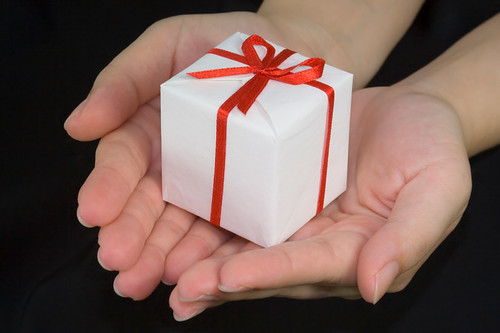

Deconstructing the Gift
A gift, fundamentally, is an item or act transferred from one individual or group to another without explicit expectation of immediate or equivalent compensation. This definition, however, belies the complex social and psychological dynamics at play. While economists might analyze the transactional aspects, anthropologists and sociologists emphasize the ritualistic and relational significance.
The very act of giving can establish, maintain, or even redefine social hierarchies and obligations. The 'free' nature of a gift is often a social construct; while direct payment is absent, the expectation of future reciprocity, social obligation, or enhanced social standing can be implicit. This intricate web of expectations distinguishes a gift from a simple commercial transaction, embedding it deeply within cultural norms and interpersonal relationships.
Anthropological Roots and the Evolution of Gift Economies
The practice of gift-giving is a cornerstone of human social organization, dating back to the earliest human societies. Anthropologists like Marcel Mauss explored the concept of 'total social facts,' where gift exchange served not just economic purposes but also religious, legal, and aesthetic ones. In many traditional societies, the exchange of gifts was central to maintaining alliances, solidifying political power, and demonstrating social status.
The 'gift economy' is a theoretical framework that describes systems where goods and services are circulated based on social relationships rather than market principles. This contrasts sharply with modern capitalist economies, yet elements of gift exchange persist, influencing community building, charitable giving, and even online sharing cultures, demonstrating its enduring relevance.
The Psychological Resonance of Giving and Receiving
The psychological impact of gift-giving is profound for both the giver and the receiver. For the recipient, receiving a gift can trigger feelings of validation, appreciation, and belonging, reinforcing their sense of self-worth and connection to others. For the giver, the act of generosity can elicit positive emotions, reduce stress, and even increase lifespan, often referred to as the 'helper's high.' This altruistic behavior taps into fundamental human drives for social connection and empathy.
Furthermore, gifts can serve as powerful symbolic representations of love, gratitude, or apology, carrying emotional weight far beyond their material value. The careful selection of a gift often reflects the giver's understanding of the recipient's desires and personality, deepening the bond between them.
The Expansive Definition
While tangible items are the most common association with gifts, the concept extends far beyond material possessions. Acts of service, such as volunteering time, offering assistance, or providing emotional support, are invaluable gifts that can profoundly impact individuals and communities. Forgiveness, too, is a powerful gift, capable of healing fractured relationships and alleviating emotional burdens. Kindness, empathy, and compassion are intangible gifts that enrich human interaction and foster a more supportive social environment.
These non-material gifts often carry greater significance and lasting impact, highlighting that true generosity lies not just in what we give, but in how we choose to connect with and uplift others.
Contemporary Manifestations and Future Implications
In the modern era, gift-giving continues to evolve. Online platforms facilitate global gift exchanges, while subscription boxes offer curated gifting experiences. The rise of ethical consumerism has also influenced gift choices, with many seeking gifts that align with their values, such as fair trade or sustainably sourced products.
Furthermore, the concept of 'experience gifts'-like concert tickets or travel vouchers-reflects a shift towards valuing memories and shared moments over material goods. Understanding the underlying principles of gift-giving-its role in social bonding, psychological well-being, and cultural expression-remains crucial for navigating our increasingly interconnected world and fostering meaningful human relationships.
Go deeper
Frequently Asked Questions
What is a gift?+
Why do people give gifts to each other?+
How can giving a gift make someone feel happy?+
Are gifts only things you can touch, or can they be something else too?+
Where did the idea of giving gifts come from in old times?+
Based on content from Wikipedia · Licensed under CC BY-SA 4.0