

Ghost Story
Images
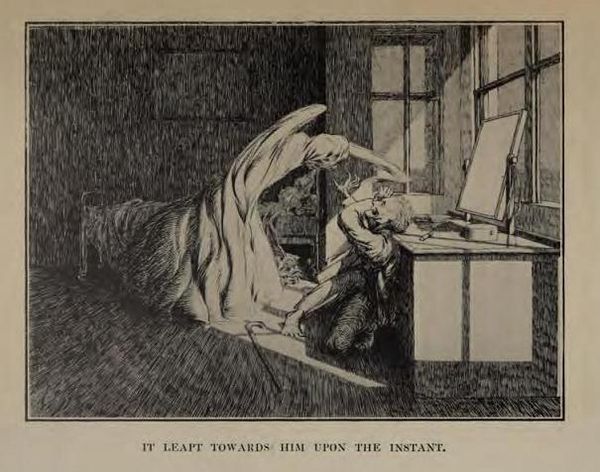
Ghost story
Defining the Ethereal
A ghost story is fundamentally a narrative, whether fictional or dramatic, that incorporates a ghost or hinges on the premise of spectral existence. The manifestation of the ghost can be autonomous, arising from its own volition, or it can be the result of deliberate invocation, often through magical means. Central to the ghost story is the concept of 'haunting,' which describes a supernatural entity's attachment to a specific locus-be it a geographical place, a material object, or even a living individual.
These narratives are frequently categorized under 'ghostlore,' encompassing a broad spectrum of beliefs and tales surrounding spirits. Colloquially, the term 'ghost story' is often used as a catch-all for any frightening narrative. However, in a more precise literary context, it has developed as a distinct short story format within genre fiction, specifically belonging to supernatural fiction and, more narrowly, to weird fiction.
While often intended to evoke fear, ghost stories are remarkably versatile, serving purposes ranging from comedic relief to profound moral instruction. The ghost frequently functions as a symbolic figure, acting as a sentinel or prophet, foreshadowing future events or offering cryptic warnings.
From Oral Tradition to Literary Genre
The genesis of ghost stories lies deep within humanity's oral traditions, predating written records and formal literature. Ancient cultures worldwide shared tales of spirits and the afterlife around communal fires, establishing a foundational ghostlore. As societies evolved and literacy spread, these narratives were transcribed and adapted, gradually shaping the ghost story into a recognizable literary genre.
Early examples can be found in classical literature, where spirits and hauntings were explored. The Victorian era, in particular, saw a surge in the popularity of ghost stories, often reflecting societal anxieties about death, industrialization, and the unknown. Writers like M.R.
James and Algernon Blackwood further refined the genre in the early 20th century, emphasizing atmosphere and psychological dread over overt gore. This historical evolution demonstrates the enduring human fascination with the spectral and the narrative power of exploring the boundary between the living and the dead, adapting to new cultural contexts and literary conventions over millennia.
Thematic Resonance and Cultural Significance
The persistent appeal of ghost stories stems from their capacity to address fundamental human concerns and anxieties. Beyond mere entertainment or fright, these narratives serve as powerful vehicles for exploring complex themes such as mortality, grief, memory, justice, and the lingering impact of the past. A ghost can embody unresolved issues, acting as a catalyst for characters to confront their own fears, guilt, or trauma.
Furthermore, ghost stories often function as cultural mirrors, reflecting societal values, superstitions, and historical traumas. They can be used to reinforce social norms, critique power structures, or preserve collective memory. The ghost's role as a harbinger or prophet also lends these stories a sense of destiny or inevitability, tapping into our desire to understand and perhaps control the future.
This rich thematic depth allows ghost stories to resonate across generations and cultures, offering profound insights into the human condition.
Narrative Architectures
The effectiveness of a ghost story relies heavily on its narrative construction and the way it presents the supernatural. The 'haunting' is a crucial element, establishing a connection between the spectral and the mundane. This connection can be deeply personal, stemming from a ghost's unfinished business or a powerful emotional tie to a person or place, or it can be more abstract, tied to historical events or collective guilt.
The manifestation of the ghost itself is a key narrative tool; it can range from subtle, ambiguous phenomena-a cold spot, a disembodied whisper, an object slightly out of place-to a full-bodied apparition. This ambiguity often heightens suspense, forcing the audience to question what is real. The ghost's agency within the narrative is also significant: is it a malevolent force, a lost soul seeking solace, or a passive observer?
The writer's choices in depicting these elements-the nature of the haunting, the ghost's form and intent, and the protagonist's reaction-collectively shape the story's atmosphere, thematic weight, and ultimate impact on the reader.
Ghost Stories in the Modern Landscape
Ghost stories continue to thrive in contemporary culture, adapting to new media and evolving thematic concerns. While traditional literary ghost stories persist, the genre has found fertile ground in film, television, video games, and digital storytelling platforms. These modern iterations often blend ghost story tropes with other genres, such as psychological thrillers, science fiction, or even romantic dramas.
The concept of the 'haunting' has expanded, with entities now being tied to digital spaces or virtual realities. Furthermore, contemporary ghost stories frequently engage with more nuanced psychological and social themes. They might explore the ghosts of trauma, societal injustices, or the existential dread of a rapidly changing world.
The enduring power of the ghost story lies in its flexibility; it remains a potent metaphor for confronting the unknown, processing loss, and exploring the persistent echoes of the past in our present lives, ensuring its relevance for new generations of storytellers and audiences.
See also
Frequently Asked Questions
What is a ghost story?+
Why do people write ghost stories?+
How did ghost stories start?+
Where do ghosts usually stay in a story?+
Are ghost stories only for adults?+
Based on content from Wikipedia · Licensed under CC BY-SA 4.0