

George Eastman: The Picture-Taking Pioneer!
Images
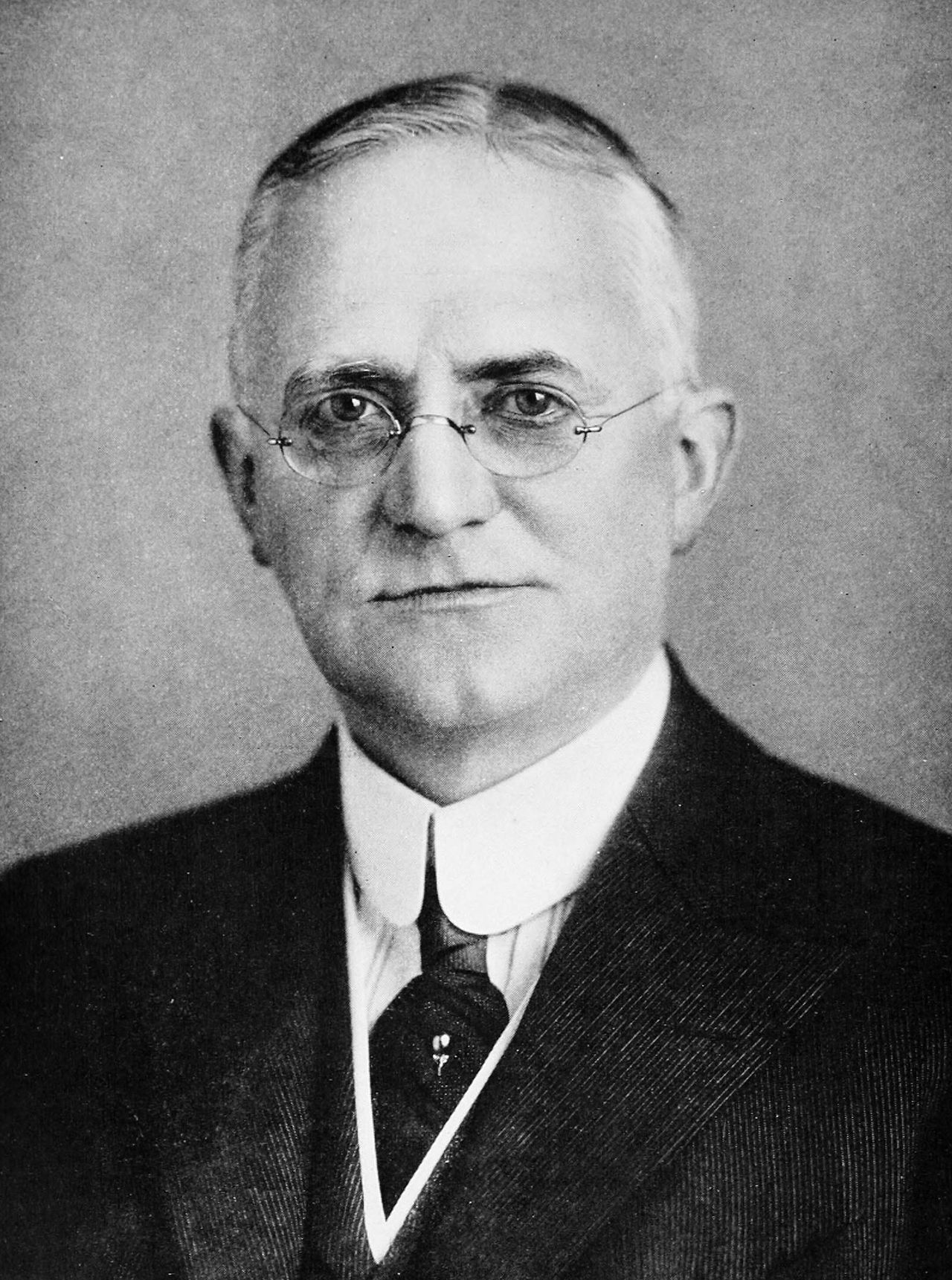
George Eastman
From Dry Plates to Roll Film
George Eastman's foray into photography began in the late 1870s, driven by a desire to simplify the cumbersome processes of the era. Initially involved in manufacturing dry plates, a significant improvement over wet collodion plates, Eastman quickly recognized the limitations of existing photographic technology. The bulky equipment and complex development procedures restricted photography to dedicated professionals and wealthy enthusiasts.
His pivotal insight came with the development of flexible, transparent roll film. This innovation, patented in 1884, was revolutionary. It eliminated the need for heavy glass plates and allowed for multiple exposures on a single, compact roll.
This breakthrough was the foundational step towards miniaturizing cameras and making photography a truly portable and accessible medium. Eastman's relentless experimentation and business acumen allowed him to transform a complex scientific and artistic endeavor into a consumer product.
The Kodak Camera and the Birth of the 'Snapshot'
The culmination of Eastman's roll film innovation was the introduction of the first Kodak camera in 1888. This box camera, pre-loaded with film for 100 exposures, was marketed with the now-iconic slogan, 'You press the button, we do the rest.' This slogan perfectly encapsulated the genius of the Kodak business model. Customers purchased the camera, used the film, and then sent the entire unit back to Eastman's company for processing.
The company would develop the negatives, make prints, and reload the camera with fresh film, returning it to the customer. This complete service model removed the technical expertise required for developing and printing, effectively democratizing photography and giving rise to the 'snapshot' – an informal, spontaneous photograph taken by an amateur. The Kodak camera was not just a product; it was a catalyst for a cultural shift, empowering millions to document their lives and experiences.
Building an Empire and Shaping Visual Culture
Eastman Kodak became a global powerhouse, synonymous with photography. His business strategies, including vertical integration and aggressive marketing, established a dominant market position. Beyond commerce, Eastman's work profoundly reshaped visual culture.
The widespread availability of cameras led to an unprecedented proliferation of personal imagery. Families could create visual archives, preserving memories and shaping collective identities. This democratization of image-making influenced art, journalism, and social documentation, providing a rich tapestry of human experience captured through the lens.
The ability for ordinary people to record their world fostered a new kind of visual literacy and changed how history was recorded and remembered, moving beyond official narratives to include the perspectives of everyday individuals.
A Legacy of Generosity
George Eastman was not solely defined by his entrepreneurial success; he was also a significant philanthropist. He believed strongly in giving back to the communities that supported his endeavors and in advancing education and healthcare. His philanthropic activities were substantial and far-reaching.
He made extensive donations to the University of Rochester, establishing its dental clinic and significantly contributing to its medical school and the renowned Eastman School of Music. He also funded numerous hospitals, particularly in Rochester and Atlanta, focusing on improving public health and access to medical care. His philosophy was to use his wealth to improve the lives of others, leaving a lasting legacy that extends far beyond the photographic industry and continues to benefit society today.
The Enduring Impact of Eastman's Innovations
George Eastman's legacy is multifaceted. He is credited with transforming photography from a specialized craft into a ubiquitous medium, fundamentally altering how humans record, share, and remember their lives. The principles of user-friendliness and accessibility he championed continue to influence product design across industries.
His business model, which integrated manufacturing, service, and marketing, set precedents for consumer goods companies. Furthermore, his extensive philanthropic contributions have had a lasting impact on education, healthcare, and the arts, particularly in Rochester, New York. The Eastman Kodak Company, though facing modern challenges, remains a testament to his pioneering spirit.
His life story illustrates the power of innovation coupled with a vision for broader societal benefit, making him a pivotal figure in both technological and cultural history.
Go deeper
Frequently Asked Questions
What did George Eastman invent that made cameras smaller?+
Why was the Kodak camera special?+
How did George Eastman make photography easier for everyone?+
Where did George Eastman start his photography work?+
What did George Eastman do besides making cameras?+
Based on content from Wikipedia · Licensed under CC BY-SA 4.0