

Genealogy: Your Family Tree Adventure!
Images
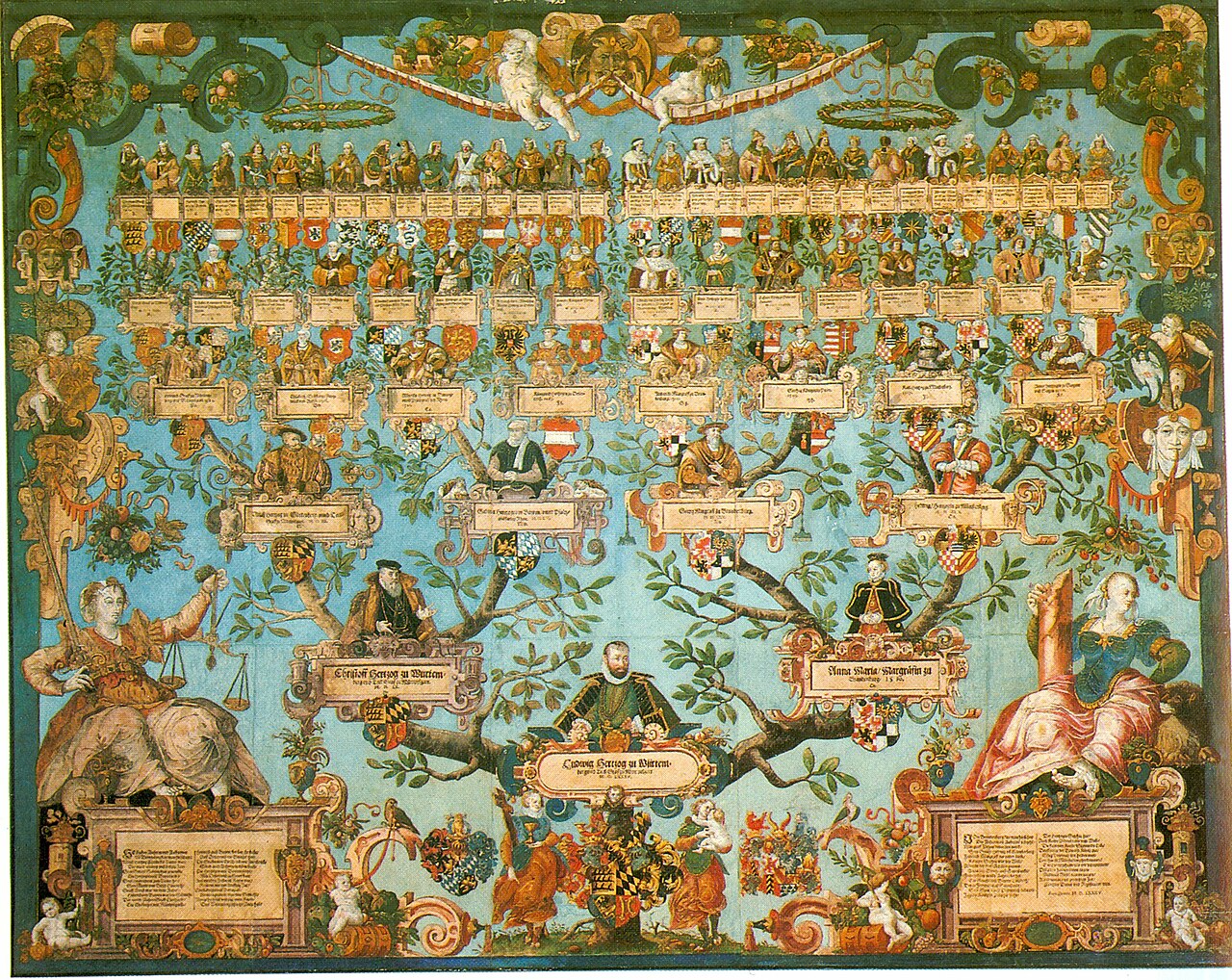
Genealogy


The Historical Trajectory of Ancestral Inquiry
The practice of tracing lineage is as old as civilization itself, initially serving to establish social status, inheritance rights, and dynastic legitimacy. Early genealogies were often recorded in chronicles, royal archives, and religious texts, primarily focusing on elite families. The Enlightenment and the rise of historical scholarship in the 18th and 19th centuries brought a more systematic approach, with the formation of genealogical societies and the publication of comprehensive family histories.
The 20th century witnessed the expansion of record-keeping, including widespread civil registration and the creation of vast archives, democratizing access beyond the aristocracy. The advent of the internet and genetic genealogy in the late 20th and early 21st centuries has further revolutionized the field, transforming it from a niche academic pursuit into a globally accessible, data-driven science and a popular hobby, enabling individuals to connect with their heritage on an unprecedented scale and depth.
Methodologies and Sources in Genealogical Research
Genealogical research is a rigorous process that combines primary and secondary source analysis. Primary sources, such as birth, marriage, and death certificates, census records, land deeds, wills, and military service files, provide direct evidence of an individual's life events and relationships. Secondary sources, like published family histories, biographies, and compiled indexes, offer interpretations and summaries of primary data but must be critically evaluated for accuracy.
Modern genealogical research also heavily relies on digitized archives and online databases, which aggregate millions of records from around the world. DNA testing, particularly autosomal DNA, has become a powerful tool, revealing genetic connections, estimating ethnic origins, and facilitating the identification of previously unknown relatives, thereby opening new research avenues and corroborating documentary evidence.
The Socio-Cultural Significance of Genealogical Pursuit
Genealogy transcends mere personal curiosity; it holds significant socio-cultural implications. For individuals, it fosters a profound sense of identity and belonging, connecting them to a narrative that extends beyond their own lifetime. This connection can provide psychological grounding, resilience, and a deeper understanding of inherited traits, cultural practices, and family values.
On a broader societal level, genealogical research contributes to historical understanding by populating historical narratives with individual experiences, revealing migration patterns, social mobility, and the impact of historical events on ordinary families. It also plays a role in identity politics and the preservation of cultural heritage, allowing communities to reclaim and celebrate their ancestral narratives. In an increasingly globalized world, genealogy offers a powerful means of maintaining cultural continuity and personal connection to one's roots.
Ethical Considerations and Future Directions in Genealogy
As genealogy becomes more accessible and sophisticated, ethical considerations are paramount. Issues surrounding privacy, particularly with living individuals and sensitive historical records, require careful navigation. The accuracy and interpretation of DNA results, as well as the potential for misidentification or the revelation of sensitive family secrets, necessitate responsible handling.
Furthermore, the commercialization of genealogical services raises questions about data ownership and accessibility. Future directions in genealogy are likely to involve further integration of artificial intelligence for record analysis and pattern recognition, advancements in genetic genealogy for deeper ancestral insights, and the development of more robust platforms for collaborative research and historical interpretation, all while striving to maintain ethical standards and inclusivity.
Go deeper
Frequently Asked Questions
What is genealogy?+
How did people find family records before computers?+
What new tools help us discover relatives today?+
Why is learning about family history important?+
Are there privacy rules when researching family records?+
Based on content from Wikipedia · Licensed under CC BY-SA 4.0