

Gastrointestinal tract
Images
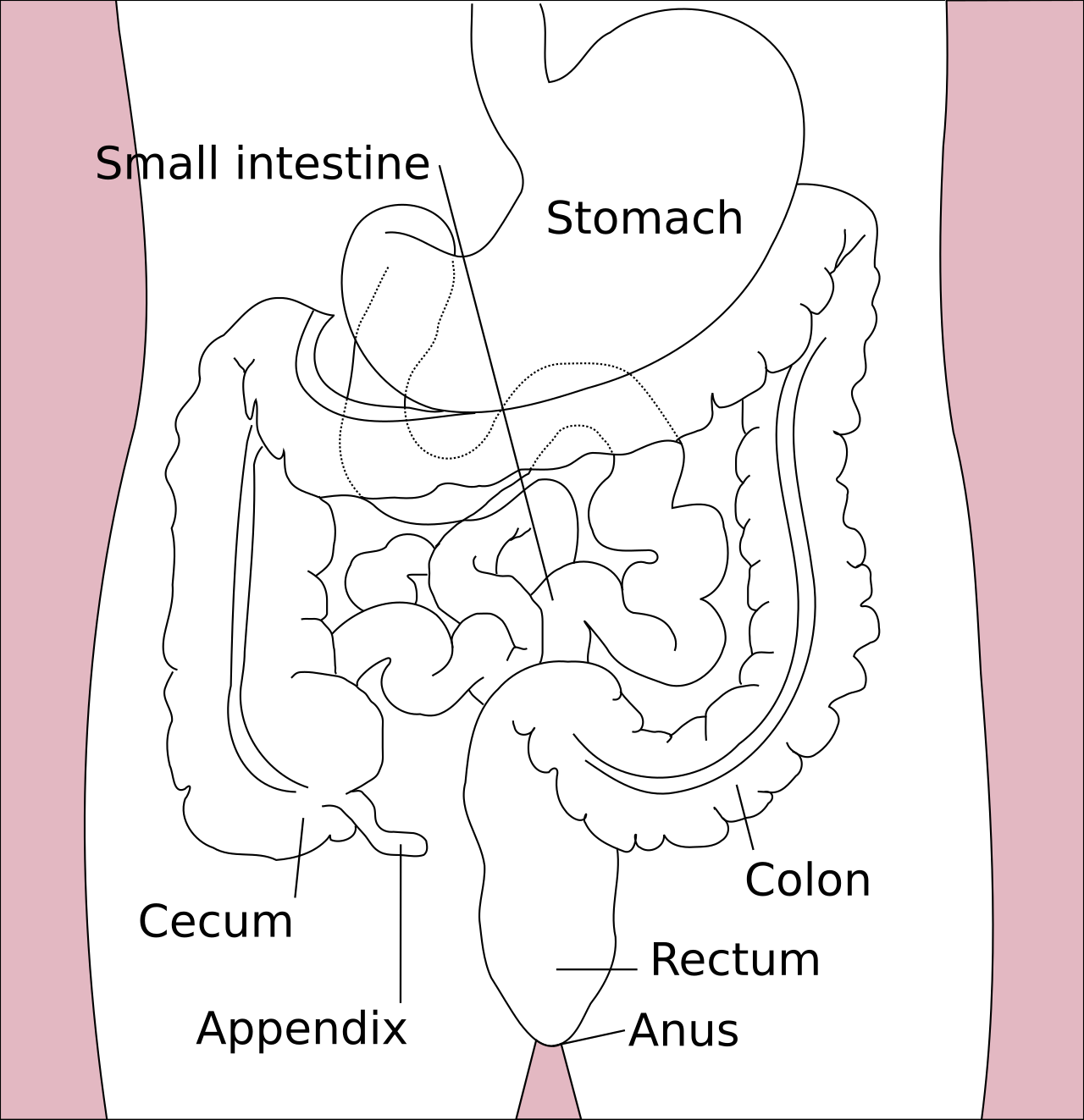
Gastrointestinal tract
Anatomy and Physiology
The gastrointestinal tract is a highly specialized, muscular tube extending from the oral cavity to the anus, comprising the pharynx, esophagus, stomach, small intestine, and large intestine. Its total length in adults averages around 30 feet (9 meters), a remarkable feat of biological engineering designed for efficient nutrient extraction. The tract is characterized by four distinct layers: the mucosa (innermost, involved in secretion and absorption), submucosa (connective tissue with nerves and blood vessels), muscularis externa (responsible for peristalsis and segmentation), and serosa (outer protective layer).
Accessory organs-the salivary glands, liver, gallbladder, and pancreas-secrete essential digestive juices and enzymes into the tract. The stomach's acidic environment (pH 1.5-3.5) denatures proteins and kills pathogens, while the small intestine, with its vast surface area enhanced by folds, villi, and microvilli (estimated at 250 square meters), is the primary site for nutrient absorption. The large intestine primarily absorbs water and electrolytes, forming feces for elimination.
This intricate interplay of structure and function ensures the breakdown of complex food molecules into absorbable units and the removal of metabolic waste.
Evolutionary Trajectory
The gastrointestinal tract represents a significant evolutionary milestone, with its fundamental structure appearing early in metazoan evolution. Even simple multicellular organisms possess a gastrovascular cavity for digestion. Over eons, this evolved into a more complex, one-way system with specialized regions for different digestive processes, allowing for more efficient nutrient extraction and waste processing.
The development of a distinct stomach for storage and initial breakdown, followed by elongated intestines for absorption, provided a significant survival advantage. The human GI tract is a product of millions of years of adaptation, reflecting dietary shifts and the need to process a diverse range of foods. Its remarkable efficiency is a testament to natural selection, optimizing energy acquisition and minimizing waste in various environmental pressures.
This evolutionary journey highlights the GI tract's foundational role in the success of complex life forms.
The Indispensable Role
The gastrointestinal tract is far more than just a food processing pipeline; it is a cornerstone of overall health. It serves as a critical interface between the external environment and the internal body, playing a pivotal role in the immune system. The gut-associated lymphoid tissue (GALT) is the largest immune organ in the body, constantly monitoring for pathogens.
Furthermore, the gut microbiome, a complex ecosystem of bacteria, fungi, and viruses, profoundly influences digestion, nutrient synthesis (like vitamin K and certain B vitamins), metabolism, and even brain function through the gut-brain axis. Dysbiosis, an imbalance in the gut microbiome, is linked to numerous chronic diseases, including inflammatory bowel disease (IBD), obesity, diabetes, allergies, and certain neurological and psychiatric disorders. Maintaining a healthy GI tract is therefore paramount for preventing disease and promoting longevity.
Mechanisms of Digestion and Absorption
The digestive process is a meticulously coordinated sequence involving mechanical and chemical actions. Mechanical digestion begins with mastication (chewing) and continues with churning in the stomach and segmentation in the small intestine, increasing surface area for chemical digestion. Chemical digestion is facilitated by enzymes secreted throughout the tract.
Salivary amylase starts carbohydrate breakdown, pepsin in the stomach begins protein digestion, and the pancreas secretes a potent cocktail of enzymes (amylase, lipase, proteases like trypsin) into the duodenum. Bile, produced by the liver and stored in the gallbladder, emulsifies fats, increasing their surface area for lipase action. Absorption primarily occurs in the small intestine, where digested carbohydrates, proteins, fats, vitamins, minerals, and water are transported across the intestinal epithelium into the bloodstream or lymphatic system.
This absorption is highly efficient, with nearly all nutrients and water absorbed by the time the chyme reaches the large intestine. The regulation of these processes involves hormonal signals (e.g., gastrin, secretin, cholecystokinin) and neural control (the enteric nervous system).
Modern Relevance
In contemporary society, understanding the gastrointestinal tract is more critical than ever. Modern lifestyles, characterized by processed foods, stress, and antibiotic use, can significantly impact gut health and the microbiome. Research into the gut microbiome is rapidly advancing, revealing its profound influence on everything from immunity and mental health to chronic disease development. Conditions like Irritable Bowel Syndrome (IBS) and Inflammatory Bowel Disease (IBD) affect millions worldwide, driving significant research into novel treatments, including fecal microbiota transplantation and targeted therapies.
Furthermore, the GI tract is a key focus in personalized medicine, with genetic and microbiome profiling offering potential for tailored dietary and therapeutic interventions. Advances in diagnostic imaging and endoscopic techniques continue to improve our ability to detect and treat GI disorders, underscoring the tract's central role in public health.
Go deeper
Frequently Asked Questions
What is the gastrointestinal tract?+
Why is the stomach acidic?+
How does the small intestine absorb nutrients?+
What is the gut microbiome and why is it important?+
How long is the gastrointestinal tract in adults?+
Based on content from Wikipedia · Licensed under CC BY-SA 4.0