

Frederick Sanger: The Man Who Read Our DNA Code!
Images
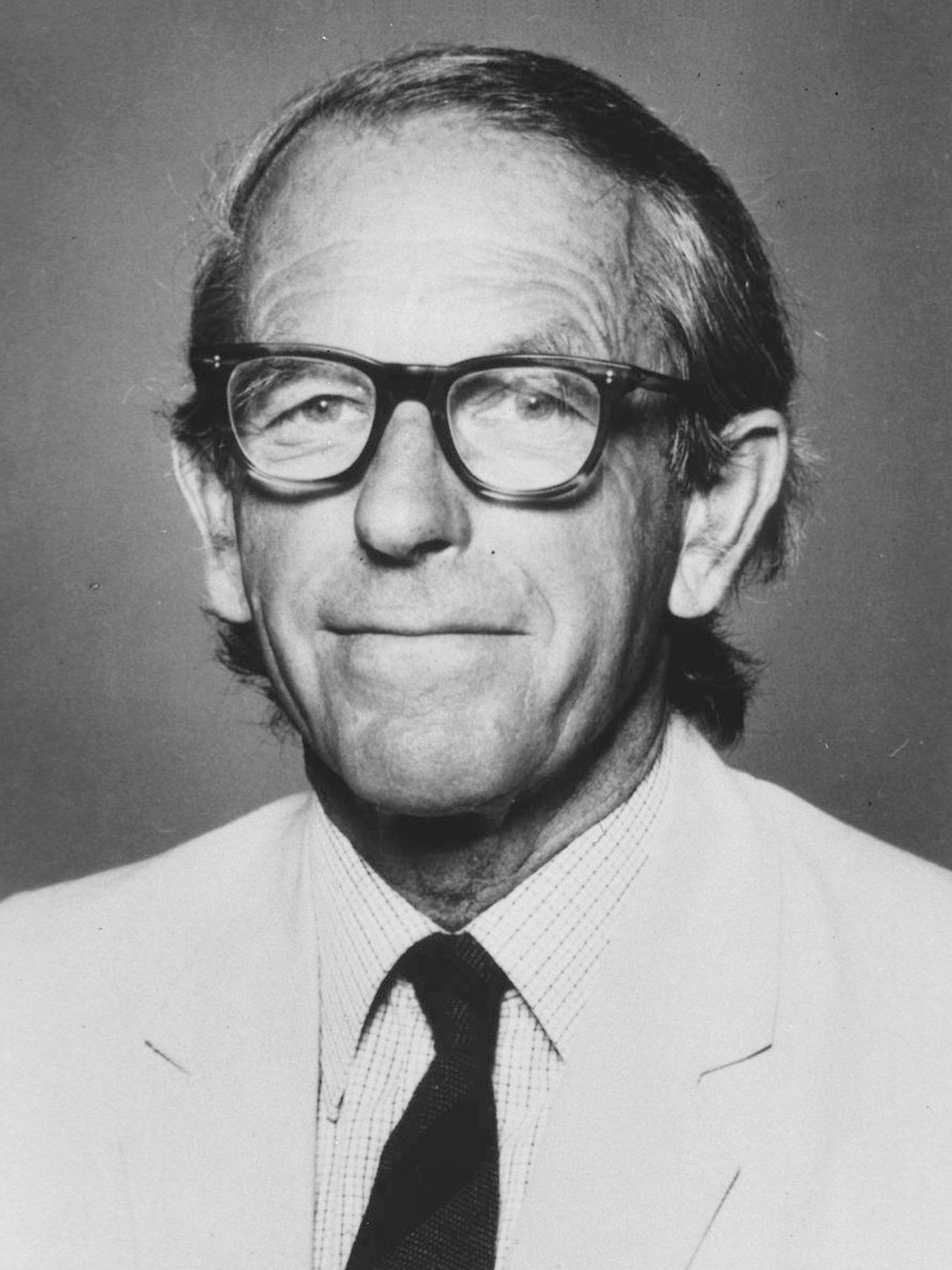
Frederick Sanger
From Insulin's Structure to Life's Blueprint
Frederick Sanger, born August 13, 1918, in Rendcomb, England, emerged as a titan of 20th-century biochemistry, fundamentally altering our comprehension of biological molecules. His early career was marked by an extraordinary feat: determining the complete amino acid sequence of insulin. This was a painstaking process, requiring immense precision and innovative chemical strategies.
Before Sanger, the linear arrangement of amino acids in proteins was largely a mystery. By successfully mapping insulin's structure, he not only demonstrated the feasibility of protein sequencing but also provided crucial insights into protein function and evolution. This achievement alone would have secured his place in scientific history, but Sanger's relentless pursuit of knowledge was far from over.
His work on insulin laid the groundwork for his even more impactful discoveries concerning the genetic material itself.
The Genesis of DNA Sequencing
Sanger's most enduring contribution, for which he was awarded his second Nobel Prize in Chemistry in 1980, was the development of methods for DNA sequencing. Building upon the principles of protein sequencing, he devised techniques that allowed scientists to read the precise order of nucleotides in a DNA molecule. The 'Sanger sequencing' method, also known as the chain-termination method, became the gold standard for decades.
It enabled researchers to decipher the genetic code, understand gene function, identify mutations associated with diseases, and ultimately, map entire genomes. This technological leap was not merely an incremental improvement; it was a paradigm shift that launched the era of molecular biology and genomics, providing the essential tools for countless subsequent scientific and medical advancements. His work transformed biology from a largely observational science to one that could precisely manipulate and understand the fundamental code of life.
Impact and Enduring Relevance in Modern Science
The impact of Frederick Sanger's work is immeasurable and continues to resonate today. His sequencing methods were instrumental in the Human Genome Project, a monumental undertaking that mapped all the genes in the human body. This knowledge has revolutionized medicine, leading to advancements in diagnostics, gene therapy, and the development of targeted drugs.
Furthermore, Sanger sequencing remains a vital tool in research, diagnostics, and forensic science, particularly for smaller-scale sequencing projects. His legacy extends beyond his technical innovations; Sanger embodied a spirit of dedication, intellectual rigor, and a profound commitment to unraveling life's complexities. He demonstrated that with persistence and brilliant insight, one could indeed read the very blueprint of life, forever changing our relationship with biology and medicine.
A Life Dedicated to Unlocking Biological Secrets
Frederick Sanger, born August 13, 1918, and passing away on November 19, 2013, was a British biochemist whose pioneering research fundamentally reshaped our understanding of molecular biology. His career was distinguished by two Nobel Prizes in Chemistry: the first in 1958 for his work on the structure of proteins, particularly insulin, and the second in 1980 for developing methods of DNA sequencing. His development of the chain-termination method, or Sanger sequencing, provided a crucial tool for deciphering genetic information, laying the groundwork for the Human Genome Project and countless subsequent discoveries in genetics, medicine, and biotechnology.
Sanger's meticulous approach and groundbreaking innovations established him as one of the most influential scientists of the 20th century, leaving a legacy that continues to drive scientific progress.
Go deeper
Frequently Asked Questions
What did Frederick Sanger discover about insulin?+
How did Sanger help scientists read DNA?+
Why is Sanger sequencing important for medicine?+
When did Frederick Sanger win his Nobel Prizes?+
What is Sanger’s legacy for kids learning about biology?+
Based on content from Wikipedia · Licensed under CC BY-SA 4.0