

François Girardon
Images

Parc de Versailles, Bosquet de la colonnade, Enlèvement de Proserpine par Pluton, François Girardon 02


The Rise of a Sculptural Virtuoso in the Age of Absolutism
François Girardon (1628-1715) emerged as a preeminent sculptor during the reign of Louis XIV, a period characterized by the consolidation of royal power and the flourishing of the French Baroque. Born in Château-Thierry, Girardon's early artistic development was shaped by the prevailing artistic currents and the increasing demand for monumental art that glorified the monarchy. His prodigious talent for carving marble and casting bronze quickly distinguished him, leading to apprenticeships and early commissions that honed his skills.
He became a key figure in the development of the Louis XIV style, a distinct aesthetic that emphasized order, grandeur, and classical ideals, often serving to project an image of absolute authority. Girardon's ability to imbue his figures with a sense of dynamic movement and emotional resonance, while adhering to classical proportions, set him apart and paved the way for his most significant undertakings.
Crafting the Image of the Sun King
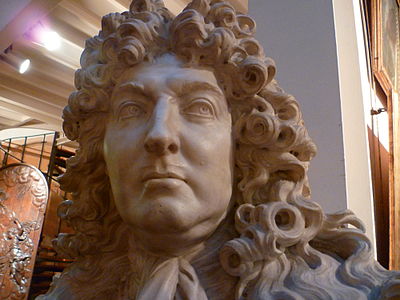
Girardon's artistic career is inextricably linked to his role as a primary sculptor for Louis XIV. He was entrusted with creating numerous official portraits of the king, including equestrian statues and busts, which were instrumental in constructing and disseminating the image of the 'Sun King.' These works were not mere likenesses; they were carefully orchestrated visual statements designed to convey Louis XIV's power, wisdom, and divine mandate. The equestrian statue of Louis XIV, for instance, was a monumental undertaking that symbolized the king's military prowess and his dominion over his kingdom.
Girardon's mastery of anatomy, drapery, and heroic representation allowed him to translate the king's persona into enduring bronze and marble, solidifying his status as the preeminent sculptor of the era and a crucial propagandist for the monarchy.
A Symphony of Sculpture and Water
The Palace of Versailles stands as the ultimate testament to Girardon's artistic vision and collaborative genius. Appointed as the general director of the King's buildings, Girardon played a pivotal role in the sculptural decoration of the palace and its vast gardens. His contributions include numerous allegorical statues, mythological figures, and elaborate fountain ensembles, most notably the 'Bassin d'Apollon' (Apollo's Basin).
This iconic fountain, depicting Apollo emerging from the sea in his chariot, became a central element of the garden's design, symbolizing the king's own divine connection to the sun. Girardon's work at Versailles exemplifies the Baroque aesthetic's integration of sculpture, architecture, and landscape, creating a Gesamtkunstwerk-a total work of art-that was intended to overwhelm and impress visitors, showcasing the unparalleled wealth and power of the French monarchy.
The Enduring Influence and Legacy of a Baroque Master
François Girardon's death in 1715 marked the end of an era, but his artistic output continued to influence subsequent generations of sculptors. His works at Versailles remain a primary destination for art historians and tourists alike, offering profound insights into the artistic, political, and cultural landscape of 17th-century France. His sculptures are studied for their technical virtuosity, their sophisticated allegorical content, and their role in the visual propaganda of absolute monarchy.
Girardon's legacy is that of an artist who not only mastered his craft but also wielded it as a powerful tool for shaping national identity and royal prestige. His contributions are fundamental to understanding the zenith of French Baroque sculpture and its profound impact on the visual culture of Europe.
See also
Frequently Asked Questions
Who was François Girardon?+
What is the Palace of Versailles?+
What is the 'Bassin d'Apollon'?+
How did Girardon help show the king's power?+
Why are Girardon's sculptures still important today?+
Based on content from Wikipedia · Licensed under CC BY-SA 4.0