

Forgacs Shipyard
Images
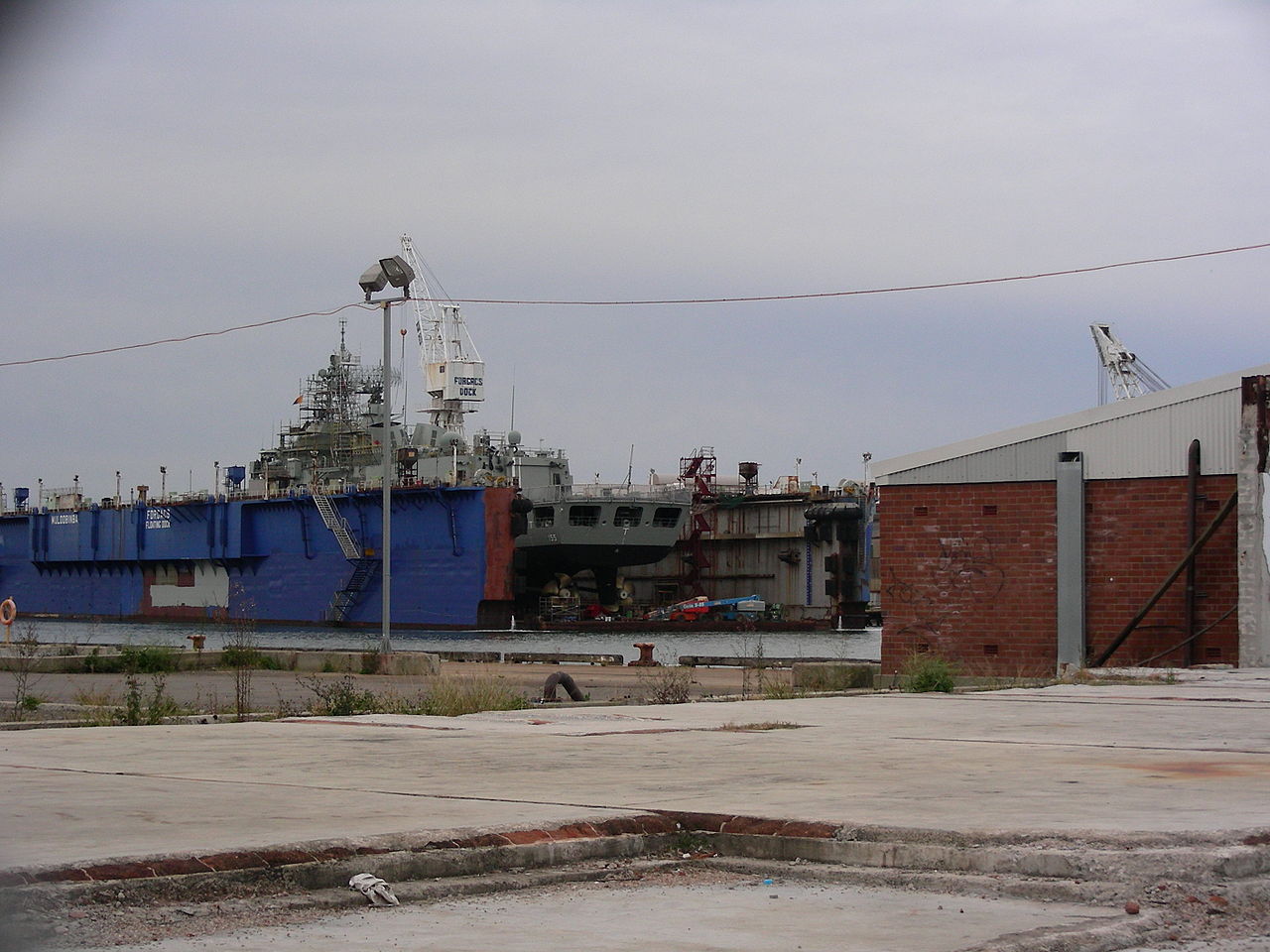
Navy Ship HMAS Ballarat (FFH 155) in Dry Dock at Newcastle harbour
Genesis and Evolution
The narrative of Forgacs Shipyard is a compelling case study in industrial adaptation and growth within Australia's maritime sector. Its origins trace back to 1957 with the establishment of Carrington Slipways by John Laverick in Carrington, New South Wales. During its initial phase, from 1957 to 1968, the shipyard demonstrated considerable productivity, constructing 45 vessels.
This period laid the foundation for its reputation in shipbuilding. However, the dynamic nature of the industry and the increasing scale of maritime projects necessitated a strategic relocation. By 1972, the demand for larger facilities led to the move to Tomago, a site offering greater potential for expansion and advanced manufacturing capabilities, strategically positioned near the Pacific Highway for logistical advantages.
The company's trajectory continued with its acquisition by Forgacs Engineering in 1997. This transition infused the shipyard with new capital, technological expertise, and a broader vision, solidifying its position as a significant entity in contemporary shipbuilding and engineering.
Diverse Maritime Contributions
Forgacs Shipyard's output reflects a diverse range of maritime construction, catering to both civilian and defense needs. The Tomago yard has been particularly recognized for its role in producing several First Fleet-class ferries. These vessels are critical components of public infrastructure, facilitating essential transportation links and contributing to the economic vitality of coastal and riverine communities.
The shipyard's capabilities extend to supporting naval operations, as evidenced by its involvement with vessels like HMAS Rushcutter and HMAS Shoalwater. Although these specific vessels were constructed by Ramsay Fibreglass, a subsidiary located a mere 1.5 kilometers from the main Tomago facility, this close operational proximity underscores a coordinated approach to specialized maritime manufacturing within the broader Forgacs group. This integrated network allows for the efficient production of complex naval components and vessels, highlighting the company's comprehensive service offering.
The Engineering Marvel
The construction of a modern vessel at a facility like Forgacs Shipyard is a testament to complex engineering and meticulous project management. The process commences with conceptualization and detailed design, often involving sophisticated CAD (Computer-Aided Design) software and the expertise of naval architects and marine engineers. Following design finalization, the fabrication of the hull begins, typically involving the cutting, shaping, and welding of high-tensile steel plates.
This forms the structural backbone of the ship. Subsequently, the installation of propulsion systems, power generation, navigation equipment, and internal outfitting takes place within the hull. Advanced logistical support is paramount, with the extensive use of heavy-lift cranes, some reaching heights comparable to a 20-story building, to maneuver massive prefabricated sections.
The entire operation requires a highly skilled workforce, encompassing disciplines such as structural engineering, mechanical engineering, electrical engineering, and advanced welding techniques, all coordinated to achieve project timelines and quality standards.
Economic and Strategic Significance
Forgacs Shipyard occupies a significant position within Australia's industrial and economic framework. As a major shipbuilding entity, it serves as a crucial employer, generating substantial direct and indirect employment opportunities across various skilled trades and professional disciplines. This contributes significantly to the economic health of the Hunter region and New South Wales.
Beyond job creation, the shipyard's output is vital for national infrastructure and security. The ferries it produces are integral to public transport networks, enhancing connectivity and facilitating economic activity. Its capacity to support naval construction, even through subsidiary operations, contributes to Australia's defense capabilities and maritime sovereignty.
The technological advancements and specialized knowledge cultivated within such shipyards also have broader implications, potentially fostering innovation in related heavy industries and reinforcing Australia's capacity for complex manufacturing and engineering projects on a global scale.
See also
Frequently Asked Questions
What is Forgacs Shipyard?+
Where is Forgacs Shipyard located?+
How many boats did Forgacs Shipyard build in its early years?+
Why did Forgacs Shipyard move to Tomago?+
What kinds of ships does Forgacs Shipyard make?+
Based on content from Wikipedia · Licensed under CC BY-SA 4.0