

Birds That Can't Fly: Amazing Ground Dwellers!
Images

Flightless birds at Kew Gardens


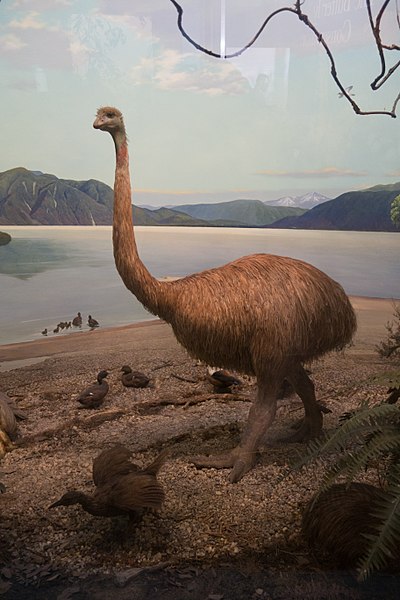


The Evolutionary Trajectory from Flight to Grounded Existence
The phenomenon of flightlessness in birds is a compelling example of adaptive radiation and evolutionary trade-offs. Many flightless species, such as ratites (ostriches, emus, cassowaries, rheas) and penguins, evolved from flying ancestors. This transition typically occurred in environments characterized by a lack of aerial predators and abundant ground-level resources, such as isolated islands or continents with stable ecosystems.
Over geological timescales, the energetic costs of maintaining large, powerful wings for flight became disadvantageous compared to investing resources in other traits. Wings gradually reduced in size and structural complexity, while legs became more robust for locomotion (running, walking) or evolved into highly specialized flippers for aquatic propulsion. This divergence highlights how selective pressures can lead to dramatic morphological and functional changes, allowing species to exploit new ecological niches.
The scientific name for the order containing ostriches and their relatives is Struthioniformes, while penguins belong to the family Spheniscidae.
Giants of the Terrestrial Realm
The ratites represent a group of large, flightless birds primarily found in the Southern Hemisphere. The ostrich (Struthio camelus), native to Africa, is the largest living bird, reaching heights of up to 2.8 meters (9.2 feet) and weighing as much as 150 kg (330 lb). Its powerful legs are adapted for high-speed running, capable of reaching speeds around 70 km/h (43 mph), serving as its primary defense mechanism.
Their diet is omnivorous, encompassing a wide range of plant matter, seeds, fruits, insects, and small vertebrates. Similarly, the emu (Dromaius novaehollandiae) of Australia and the rhea (Rhea genus) of South America are large, cursorial birds. Cassowaries (Casuarius genus), also from Australia and New Guinea, are known for their formidable casque (a bony crest) and powerful, dagger-like claws on their feet, which they use for defense.
These birds occupy significant roles as herbivores and seed dispersers within their respective terrestrial habitats.
Masters of the Marine Environment
Penguins (family Spheniscidae) are unique among flightless birds for their complete adaptation to an aquatic lifestyle. Found predominantly in the Southern Hemisphere, their wings have been modified into stiff, paddle-like flippers, enabling them to 'fly' through water with remarkable agility and speed. They are exceptional divers, with species like the Emperor penguin (Aptenodytes forsteri) capable of reaching depths exceeding 250 meters (820 feet) in pursuit of prey.
Their diet consists primarily of krill, fish, and squid, making them crucial components of marine food webs. The Emperor penguin is the largest species, reaching about 1.2 meters (3.9 feet) in height and weighing up to 45 kg (100 lb). Their streamlined bodies, dense bones, and specialized plumage provide insulation and buoyancy control essential for survival in cold ocean waters.
Their conservation status is increasingly concerning due to climate change impacting their food sources and breeding grounds.
Endemic Wonders and Conservation Imperatives
Islands have often served as cradles for unique flightless birds due to isolation, which limits gene flow and allows for specialized adaptations. New Zealand, for instance, is home to the kiwi (Apteryx genus), a small, nocturnal, ground-dwelling bird with a highly developed sense of smell used to forage for invertebrates and fallen fruit. Kiwis possess shaggy, hair-like plumage and vestigial wings. Other New Zealand endemics include the kakapo (Strigops habroptilus), a large, nocturnal, flightless parrot, and the takahe (Porphyrio hochstetteri), a large rail.
The conservation status of many flightless birds is precarious. Habitat destruction, introduced predators (like cats, dogs, and stoats), and climate change pose significant threats. For example, the Kakapo is critically endangered, requiring intensive conservation efforts. Understanding the ecological roles and vulnerabilities of these unique avian lineages is paramount for their long-term survival.
See also
Frequently Asked Questions
What are ratites and why can’t they fly?+
How do penguins move in water if they can’t fly?+
Why are ostriches so fast?+
What do cassowaries use their claws for?+
Where can we find flightless birds?+
Based on content from Wikipedia · Licensed under CC BY-SA 4.0