

Flatfish: The Fish That Lie Down!
Images

Flatfish




The Evolutionary Enigma of Asymmetry
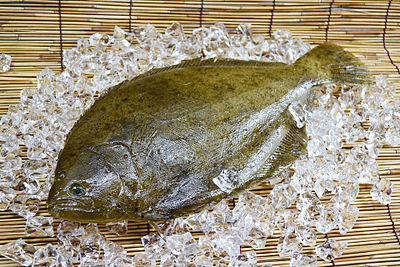
The order Pleuronectiformes, commonly known as flatfish, represents a fascinating case study in evolutionary adaptation. Their defining characteristic is extreme bilateral asymmetry, where the body is flattened dorsoventrally, and both eyes migrate to one side, typically the left (in pleuronectids) or right (in paralichthyids). This transformation begins during larval development; initially, larvae are symmetrical with eyes on opposite sides.
As they mature, one eye undergoes a remarkable migration, traversing the skull to position itself adjacent to the other. This complex developmental process is controlled by intricate genetic and hormonal pathways, allowing the fish to adopt a benthic lifestyle. This asymmetry is not merely cosmetic; it is a crucial adaptation for their survival, enabling efficient predator detection and prey ambushing from the seabed.
The degree of flattening and eye migration varies among the over 700 species within this order.
Global Distribution and Diverse Habitats
Flatfish are cosmopolitan, inhabiting virtually all marine environments from polar to tropical waters, and from intertidal zones to abyssal depths. Their ecological niche is primarily the benthic zone, where they exploit a wide array of substrates, including soft sands, silts, muds, and rocky areas. Species like the Atlantic halibut (Hippoglossus hippoglossus) are found in the cold waters of the North Atlantic, while tropical species such as the peacock flounder (Bothus lunatus) thrive in warmer regions.
Their ability to colonize diverse seafloor environments is facilitated by their specialized morphology and behavior, allowing them to find suitable microhabitats for feeding, refuge, and reproduction. Some species exhibit remarkable migratory patterns, moving between feeding grounds and spawning areas.
Predatory Strategies and Dietary Adaptations
As obligate carnivores, flatfish employ sophisticated predatory strategies honed by their benthic lifestyle. Their diet is diverse, reflecting their habitat and species-specific adaptations, and commonly includes small fish, crustaceans (crabs, shrimp), mollusks, and polychaete worms. Many species are ambush predators, burying themselves in the substrate with only their eyes exposed, relying on their exceptional camouflage to remain undetected.
When prey approaches, they can exhibit rapid bursts of speed to capture their meal. Other species are more active foragers, moving across the seabed to seek out prey. The mouth structure and jaw musculature are adapted for efficient capture and ingestion of their specific prey items.
This dietary flexibility contributes to their widespread success across various marine ecosystems.
Ecological Significance and Conservation Challenges
Flatfish are integral components of marine food webs, serving as both significant predators and crucial prey for larger fish, marine mammals, and seabirds. Their role in nutrient cycling within benthic ecosystems is also noteworthy. Ecologically, they are indicators of seafloor health.
However, many flatfish populations face considerable conservation challenges. Overfishing is a primary threat, particularly for commercially valuable species like halibut, sole, and flounder, leading to significant declines in some stocks. Habitat degradation due to bottom trawling, pollution, and climate change further exacerbates these issues. Consequently, many species are monitored closely, and management strategies, including fishing quotas, gear restrictions, and marine protected areas, are implemented to ensure their long-term sustainability.
The conservation status varies widely, with some species listed as Least Concern while others are Vulnerable or Endangered.
See also
Frequently Asked Questions
What makes flatfish different from other fish?+
How do flatfish get both eyes on one side?+
Where can you find flatfish?+
What do flatfish eat?+
Why are flatfish important for the ocean?+
Based on content from Wikipedia · Licensed under CC BY-SA 4.0