

Federico Fellini
Images
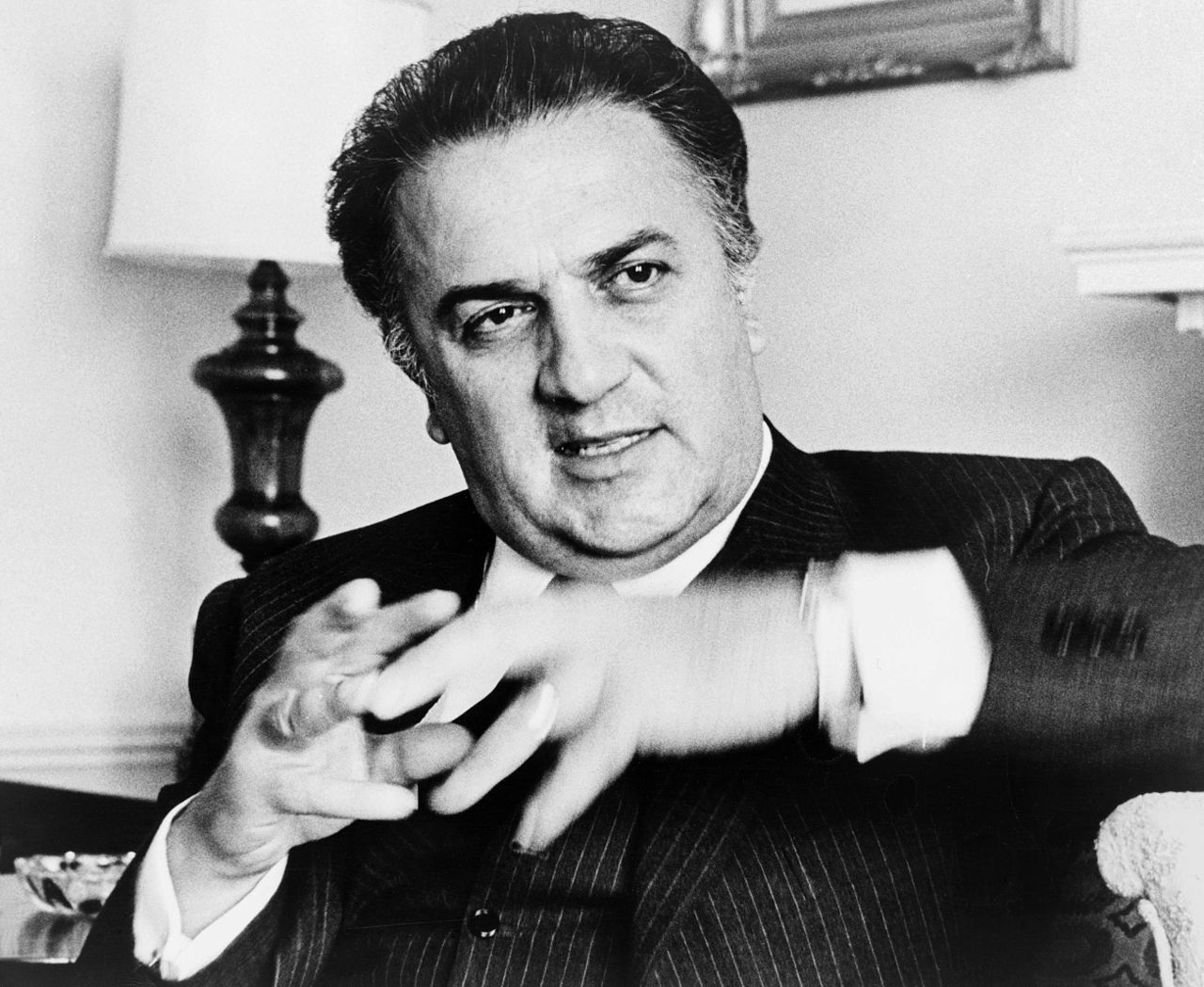
Federico Fellini
The Genesis of a Visionary
Federico Fellini was born on January 20, 1920, in Rimini, a coastal town in Italy. His formative years were deeply influenced by the vibrant atmosphere of his hometown, the lingering effects of Fascism, and the burgeoning post-war era. Initially drawn to drawing and caricature, Fellini's early career saw him working as a writer for radio and contributing to satirical magazines.
This background in visual arts and witty commentary would profoundly shape his cinematic approach. He began his film career in the 1940s, collaborating with directors like Roberto Rossellini on neo-realist classics such as 'Rome, Open City.' However, Fellini soon yearned to break free from the strictures of realism, seeking a more personal and expressive form of filmmaking. His early directorial efforts, while still touching on social realities, began to hint at the fantastical and autobiographical elements that would define his later masterpieces, laying the groundwork for a revolutionary departure in cinematic storytelling.
Deconstructing a Unique Cinematic Language
The term 'Fellini-esque' itself signifies a distinct artistic sensibility. Fellini's films are characterized by a masterful fusion of the mundane and the marvelous, the autobiographical and the allegorical. He famously blurred the lines between dream, memory, and reality, creating a fluid, often surreal, narrative structure.
His visual style is opulent and baroque, marked by striking imagery, eccentric characters, and a penchant for the theatrical. Fellini often employed circus motifs, parades, and elaborate fantasies to explore themes of memory, identity, desire, and the search for meaning in a chaotic world. His protagonists are frequently artists, clowns, or figures grappling with existential ennui, mirroring Fellini's own introspective journey.
This unique blend of personal introspection and grand spectacle challenged conventional filmmaking, inviting audiences into a deeply subjective and visually rich experience that was both disorienting and profoundly moving.
A Pantheon of Masterpieces and Critical Acclaim
Federico Fellini's career is adorned with critical accolades and a string of iconic films that have left an indelible mark on cinema history. He was nominated for an impressive 17 Academy Awards, securing four wins for Best Foreign Language Film, a testament to his international impact. His 1960 film, 'La Dolce Vita,' a sweeping, episodic portrayal of Roman high society, garnered both controversy and immense critical acclaim, winning the Palme d'Or at Cannes.
Perhaps his most celebrated work, '8½' (1963), is a meta-cinematic exploration of a director's creative crisis, lauded for its innovative structure and profound self-examination. Other seminal works include 'La Strada' (1954), 'Nights of Cabiria' (1957), 'Amarcord' (1973), and 'Fellini Satyricon' (1969), each offering a distinct facet of his artistic vision. In 2002, Sight & Sound's prestigious polls ranked him among the greatest directors of all time, solidifying his status as a cinematic titan.
Legacy and Enduring Influence on Global Cinema
Federico Fellini passed away on October 31, 1993, leaving behind a legacy that continues to inspire and provoke. He fundamentally altered the landscape of international cinema by demonstrating that films could be deeply personal, visually experimental, and artistically ambitious without sacrificing popular appeal. His willingness to delve into the subconscious, to embrace the absurd, and to celebrate the eccentricities of human nature opened new avenues for filmmakers worldwide.
Directors across genres and generations, from Woody Allen and David Lynch to contemporary artists exploring dream logic and memory, owe a debt to Fellini's groundbreaking work. His films remain vital cultural artifacts, offering profound insights into the human condition and serving as enduring examples of the boundless potential of cinematic art to capture the complexities of life and the magic of imagination.
Go deeper
Frequently Asked Questions
Who was Federico Fellini?+
What makes Fellini's movies special?+
Why did Fellini win so many awards?+
What is the movie "8½" about?+
When did Fellini die?+
Based on content from Wikipedia · Licensed under CC BY-SA 4.0