

Federalism: Sharing Power!
Images
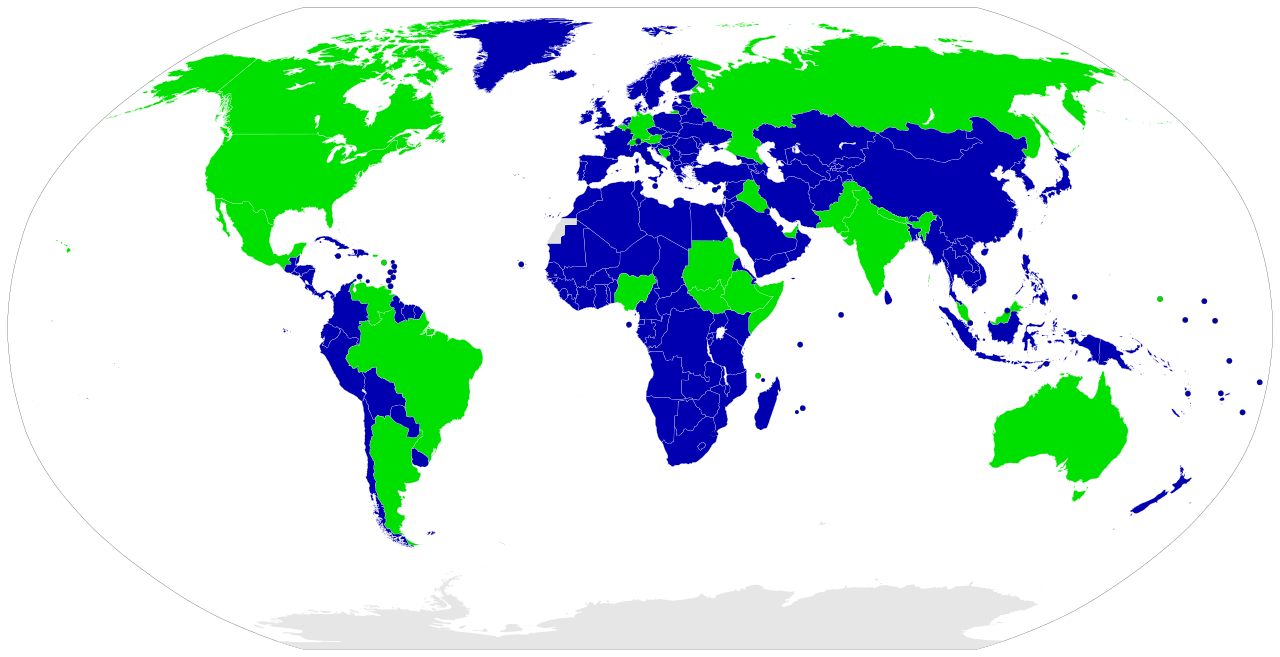
Federalism
Deconstructing Federalism
Federalism is a complex system of governance characterized by the constitutional division of powers between a central national government and constituent political units, such as states or provinces. Unlike a unitary system, where ultimate authority rests with the central government, or a confederation, where constituent units retain significant autonomy and the central body is weak, federalism establishes a dual sovereignty. This means both the national and subnational governments derive their powers directly from the constitution and can act independently within their designated spheres.
The efficacy of federalism lies in its ability to balance the need for national unity and coordinated action with the imperative of accommodating regional diversity and fostering local self-governance. It allows for a dynamic interplay between different levels of government, often leading to policy innovation and greater responsiveness to citizen needs, while also presenting challenges in terms of coordination and potential for conflict over jurisdiction. The very structure of federalism is designed to prevent the overreach of any single governmental authority.
The Historical Genesis and Evolution of Federalism
The theoretical underpinnings of federalism can be found in Enlightenment thinkers like Montesquieu, who advocated for the separation of powers. However, its practical implementation as a robust system of governance is most famously associated with the United States. The U.S.
Constitution, drafted in 1787, was a deliberate attempt to forge a stronger union than the Articles of Confederation allowed, without succumbing to the dangers of centralized power. The debates between Federalists and Anti-Federalists highlight the inherent tensions in establishing a federal system, particularly concerning the balance of power between the federal government and the states. Over time, the interpretation and application of federalism in the U.S. have evolved significantly, from a period of dual federalism (where federal and state governments operated in distinct spheres) to cooperative federalism (where they collaborate on policy) and, more recently, new federalism (emphasizing a return of power to the states).
This evolution reflects changing societal needs, political ideologies, and judicial interpretations, demonstrating that federalism is not a static concept but a living, adaptable framework.
Mechanisms of Federalism
The functioning of federalism relies on a complex web of intergovernmental relations. Powers are constitutionally delineated, but the lines often blur, leading to concurrent powers that both levels of government can exercise, such as the power to tax, build infrastructure, and establish courts. This overlap necessitates cooperation and negotiation.
Federal grants-in-aid, where the national government provides funding to states for specific programs, are a significant tool for influencing state policy and promoting national objectives. However, these grants can also lead to federal overreach and a loss of state autonomy. Judicial review, particularly by the Supreme Court, plays a critical role in resolving disputes over jurisdiction and interpreting the scope of federal and state powers.
Furthermore, political processes, lobbying, and advocacy at both national and subnational levels constantly shape the dynamics of federalism. The relationship is not one of strict separation but of continuous interaction and interdependence.
The Enduring Significance and Contemporary Relevance of Federalism
Federalism remains a vital and relevant system of governance in the 21st century, influencing political discourse and policy outcomes worldwide. Its significance lies in its capacity to promote democratic participation by bringing government closer to the people, allowing for diverse policy approaches tailored to local conditions, and serving as a check against centralized power. In an era of globalization and complex transnational challenges, federal systems are often lauded for their flexibility and resilience.
However, federalism also faces contemporary challenges, including issues of inequality between states, the potential for gridlock, and the difficulty of addressing national problems that require uniform solutions. Debates over the appropriate balance of power continue, particularly in areas like environmental regulation, healthcare, and national security. The ongoing evolution of federalism reflects its enduring importance as a framework for managing diverse societies and ensuring both liberty and effective governance.
Go deeper
Frequently Asked Questions
What is federalism?+
Why do states have their own power in federalism?+
How did the United States create federalism?+
What are some ways federal and state governments work together?+
How has federalism changed over time in the U.S.?+
Based on content from Wikipedia · Licensed under CC BY-SA 4.0