

Russia's Awesome Regions!
Images

Federal subjects of Russia with Alexeyevsky District







Geographical and Administrative Divisions
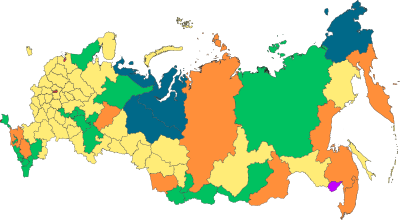
Russia's vast expanse is administratively divided into 83 federal subjects, each representing a distinct territorial unit within the Russian Federation. These subjects are not uniform; they encompass a spectrum of political and administrative statuses, including republics, krais, oblasts, federal cities, an autonomous oblast, and autonomous okrugs. This classification reflects historical development, ethnic composition, and varying degrees of autonomy.
For instance, republics often have their own constitutions and can designate a national language alongside Russian, stemming from the Soviet era's recognition of distinct ethnic groups. Krais and oblasts, on the other hand, are more akin to traditional provinces. Federal cities like Moscow and Saint Petersburg hold special status due to their size and importance.
The sheer geographical scale, spanning 11 time zones and diverse biomes from tundra to steppe, necessitates this complex administrative framework to manage resources, populations, and governance effectively across such a heterogeneous territory.
Historical Evolution
The current structure of Russia's federal subjects is the product of centuries of political evolution, significantly reshaped by the collapse of the Soviet Union. While the Russian Soviet Federative Socialist Republic (RSFSR) existed within the USSR, its internal divisions were largely administrative. The post-Soviet era witnessed a period of intense negotiation and assertion of regional power, known as the 'parade of sovereignties.' The Federation Treaty of 1992 was a landmark agreement that established the principles of power-sharing between the federal center and the regions, forming the basis of the current federal arrangement.
The 1993 Constitution further codified this, abolishing the Soviet-era right to secession and reinforcing the indivisibility of the Russian Federation. In the 2000s, under President Vladimir Putin, there was a discernible trend towards centralization, with reforms aimed at strengthening federal authority, standardizing regional governance, and altering tax revenue distribution, moving the system closer to that of other unitary states in practice, despite its federal designation.
Governance and Autonomy
Each federal subject possesses its own governmental framework, typically including a head of the region, a legislative body (parliament), and sometimes a constitutional court. While all subjects are constitutionally equal in their relationship with the federal government and send two representatives each to the Federation Council (the upper house of parliament), their degree of autonomy varies. Republics generally enjoy the most extensive autonomy, often with their own constitutions and the right to establish official languages.
This tiered system reflects a continuous effort to balance the need for national unity and strong central control with the recognition of regional identities and specific interests. The relationship between federal and regional powers is dynamic, subject to ongoing legal and political adjustments, particularly concerning legislative authority and resource management.
Socio-Economic Landscape and Educational Imperatives
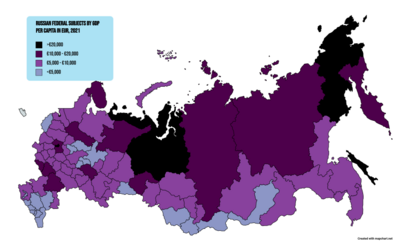
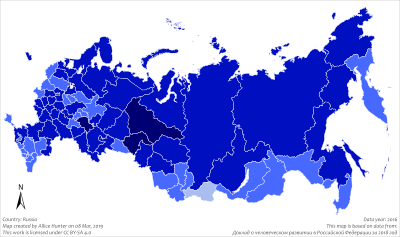
The economic profiles of Russia's federal subjects are remarkably diverse, driven by resource endowments, industrial history, and geographical location. Regions like Western Siberia are crucial for oil and gas extraction, while others in the Urals and Central Russia are industrial powerhouses. Agriculture is significant in the southern regions, and the Far East faces unique challenges and opportunities related to its proximity to Asian markets.
The federal government influences economic development through fiscal policies, tax reforms, and investment initiatives. Education is a fundamental pillar across all subjects, with a comprehensive system of schools, vocational training centers, and universities. The state mandates educational standards, ensuring a baseline of knowledge and skills for the population, while regional authorities manage the day-to-day operations of educational institutions.
This focus on education is vital for fostering a skilled workforce and promoting social cohesion within the diverse federation.
Contemporary Geopolitical Context and Federal Subject Status
The international recognition of Russia's federal subjects is a complex and often contentious issue, particularly in light of recent geopolitical events. The annexation of Crimea and Sevastopol in 2014, claimed by Russia as federal subjects, is not recognized by the majority of the international community. Similarly, claims made during the 2022 invasion of Ukraine regarding the annexation of four oblasts remain internationally disputed and are considered occupied territories by Ukraine and most of the world.
These actions highlight the tension between Russia's internal administrative structure and international law, demonstrating how geopolitical ambitions can directly impact the perceived status and governance of territorial units, even within Russia's own declared federal framework.
See also
Frequently Asked Questions
What are the different types of regions in Russia?+
Why do some regions have their own languages?+
How many time zones does Russia have?+
What is a federal city and why are Moscow and Saint Petersburg special?+
Has Russia become more or less central in the last 20 years?+
Based on content from Wikipedia · Licensed under CC BY-SA 4.0