

The Federal Dependencies of Venezuela
Images

Os mares de Cayo de Agua / The seas at Cayo de Agua


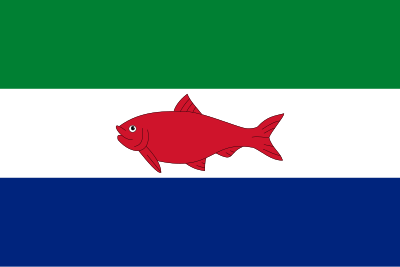


Geographical Context and Environmental Characteristics
The Federal Dependencies of Venezuela constitute a significant maritime territory comprising over 70 islands, islets, and cays. These landforms are primarily situated in the Caribbean Sea and the Gulf of Venezuela, strategically located to Venezuela's north. This archipelago is distinct from the State of Nueva Esparta, which comprises the larger Margarita Island and its surrounding smaller islands, and other coastal islands integrated with mainland states.
The total land area is a modest 342 square kilometers, characterized by a tropical maritime climate. The islands exhibit diverse micro-landscapes, ranging from coral reefs and sandy beaches to vegetated hills, supporting unique marine and terrestrial ecosystems. Their isolation from the mainland has fostered distinct ecological niches, making them areas of considerable natural interest, though often fragile and susceptible to environmental changes.
The geological formations vary, with some islands being volcanic in origin and others composed of coral limestone.
Demographic Realities and Socio-Economic Fabric
The demographic profile of the Federal Dependencies is defined by extreme sparseness. Preliminary census data from 2011 indicated a permanent resident population of only 2,155 individuals. This low population density is a defining characteristic, creating a unique social dynamic where communities are small and often isolated.
The population is concentrated in a few small settlements across various islands. Additionally, a small number of individuals, primarily from Margarita Island, engage in seasonal fishing activities, temporarily increasing the population in certain areas. This transient population underscores the economic ties between the Dependencies and neighboring inhabited islands.
The socio-economic fabric is deeply intertwined with the marine environment, with traditional fishing practices forming the backbone of the local economy. Limited infrastructure and remoteness present significant challenges for development, healthcare, and social services, contributing to a lifestyle that is largely self-sufficient and community-oriented.
Economic Activities and Resource Management
The economy of the Federal Dependencies is predominantly subsistence-based, with fishing being the primary economic driver. The rich marine biodiversity of the Caribbean waters surrounding the islands provides a vital resource for the local population. Traditional fishing methods are employed, and the catch is often consumed locally or sold to neighboring islands.
While the islands possess significant natural beauty, tourism has not developed into a major industry due to logistical challenges, limited infrastructure, and the remote nature of the territories. There is potential for sustainable eco-tourism, but this would require substantial investment and careful planning to avoid environmental degradation. Resource management, particularly of fisheries and marine ecosystems, is crucial for the long-term sustainability of these communities and the preservation of their natural heritage.
The lack of diverse economic opportunities often leads to outward migration, particularly among younger generations seeking broader prospects.
Governance and Administrative Framework
The Federal Dependencies are administered directly by the national government of Venezuela, headquartered in Caracas. This centralized administrative structure reflects the islands' status as dependencies rather than autonomous states. While the central government holds ultimate authority, the practical governance on the ground is often influenced by local community leaders.
These individuals, due to their proximity and understanding of local needs, wield considerable de facto influence in managing day-to-day affairs and resolving community issues. This dual system of governance, where national policy meets local leadership, is a common feature in archipelagic or remote territories. The administrative framework aims to provide essential services and maintain order, but the vast distances and logistical complexities pose ongoing challenges to effective governance and service delivery across the scattered islands.
Educational Landscape and Future Prospects
Education within the Federal Dependencies is a complex undertaking, shaped by the unique geographical and demographic realities. The sparse and scattered population necessitates a decentralized approach to schooling. Educational facilities are limited, often comprising small, multi-grade schools serving specific island communities.
The challenges of accessibility mean that children may face significant travel distances, sometimes by boat, to attend classes. This isolation places a high demand on the educators, who often become integral members of the community. The curriculum typically focuses on foundational academic subjects, with an emphasis on environmental education and the importance of marine resources, reflecting the local context.
The limited educational infrastructure and opportunities can contribute to a cycle of limited prospects, potentially encouraging migration to more developed areas for higher education and employment. Future prospects for the Dependencies may involve exploring innovative educational delivery methods, such as distance learning, to enhance access and quality while preserving the unique cultural and environmental heritage of these remote Venezuelan territories.
See also
Based on content from Wikipedia · Licensed under CC BY-SA 4.0