

Fax
Images

2012y1m22d Japan Weather Facsimile(FAX)


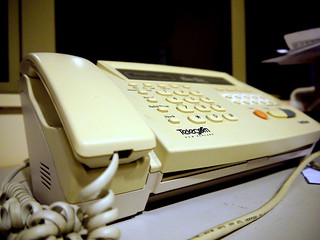
The Genesis and Evolution of Facsimile Technology
The concept of transmitting images over electrical signals predates the invention of the telephone, with early experiments in the mid-19th century. However, the practical application and widespread adoption of facsimile (fax) technology surged in the late 20th century. Fax machines, or telecopiers, became ubiquitous in offices during the 1980s and 1990s, revolutionizing business communication by enabling the rapid transmission of printed documents.
Initially, early systems employed analog methods, directly converting image darkness into audio tones. The advent of digital transmission in the 1980s marked a significant advancement, allowing for data compression techniques that optimized the transmission of white and black areas, thereby increasing speed and efficiency. This technological progression transformed fax from a niche product into an essential business tool, facilitating near-instantaneous document exchange across geographical barriers and laying groundwork for future digital communication methods.
The Technical Mechanics of Fax Transmission
At its core, a fax machine functions by digitizing a physical document and transmitting this digital representation over a telephone line. The process begins with scanning the original document, converting its content (text and images) into a bitmap, which is essentially a grid of pixels. This bitmap is then encoded into audio-frequency tones that can travel through the standard telephone network.
The receiving fax machine decodes these tones, reconstructs the bitmap image, and prints a paper copy. Modern fax machines utilize digital transmission protocols, often incorporating data compression algorithms. These algorithms identify and efficiently transmit large areas of uniform color (like pure white or black), significantly reducing transmission time compared to older analog methods.
This sophisticated interplay of scanning, encoding, transmission, decoding, and printing allows for the faithful reproduction of documents at a remote location.
The Enduring Significance and Modern Niche of Fax
The historical significance of fax technology lies in its role as a crucial intermediary in the evolution of telecommunications. It provided a tangible and relatively secure method for transmitting documents before the widespread availability of the internet and email. For decades, it was the de facto standard for sending contracts, invoices, and sensitive information quickly.
While largely superseded by internet-based technologies like email, the World Wide Web, and secure file transfer protocols, fax technology retains relevance in specific sectors. Industries such as healthcare and law enforcement continue to utilize fax machines. This persistence is often due to regulatory requirements, established workflows, and the perceived security and reliability of the system for transmitting sensitive patient or legal information.
The enduring presence of fax in these fields highlights its foundational impact on how we share information digitally and physically.
Fax in the Digital Age
The rise of the internet and digital communication technologies has rendered traditional fax machines largely obsolete for general use. Email, cloud storage, and instant messaging platforms offer far greater speed, flexibility, and integration capabilities. However, the legacy of fax technology is not entirely erased.
Many modern communication systems incorporate 'fax over IP' (FoIP) services, which allow fax documents to be sent and received over the internet, bridging the gap between traditional fax and digital networks. This evolution demonstrates how the core concept of transmitting documents remotely has adapted rather than vanished. The continued, albeit specialized, use in fields like medicine underscores the importance of reliable, point-to-point transmission methods that have been thoroughly tested and integrated into critical operational procedures, even as newer, more versatile technologies emerge.
See also
Frequently Asked Questions
What is a fax machine and how does it send pictures?+
Why were fax machines popular in the 1980s and 1990s?+
How does a fax machine turn a picture into sounds?+
Why do some hospitals still use fax machines?+
What replaced fax machines for most people?+
Based on content from Wikipedia · Licensed under CC BY-SA 4.0