

Fallow Deer
Images
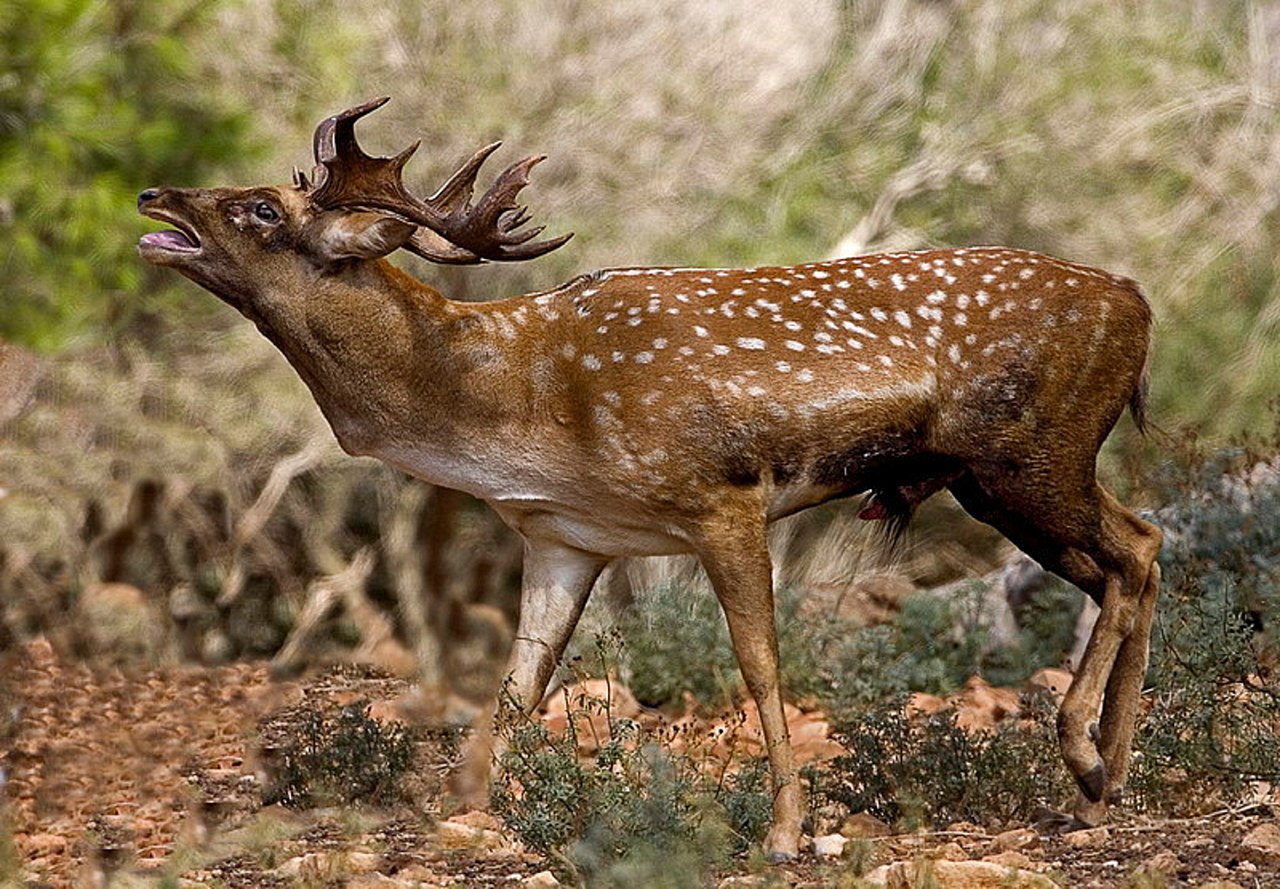
Persian Fallow Deer 1


Dispersal and Adaptation
The Fallow Deer (Dama dama) boasts a fascinating biogeographical history, with its native range centered around the Mediterranean basin and extending into parts of Western Asia. Archaeological evidence suggests a significant role in early human history, not only as a food source but also through intentional translocation. This human-mediated dispersal, beginning in Neolithic times and continuing through Roman and medieval periods, has established Fallow Deer populations across Europe, and subsequently, on every inhabited continent except Antarctica.
Their success in colonizing diverse environments, from temperate woodlands and grasslands to more arid regions, is a testament to their behavioral plasticity and physiological adaptability. This widespread distribution, however, also raises concerns about their impact on native flora and fauna in introduced ecosystems, prompting ongoing ecological studies and management strategies to mitigate potential negative effects.
Nutritional Ecology and Seasonal Foraging Strategies
The dietary habits of Fallow Deer are characterized by a high degree of seasonal opportunism, reflecting their classification as mixed feeders. During periods of abundant vegetation, primarily spring and summer, their diet consists predominantly of grasses and herbaceous plants, providing high levels of protein and moisture essential for growth and reproduction. As resources diminish in autumn and winter, they shift to browsing on woody vegetation, including leaves, twigs, bark, and buds, which are more fibrous and less nutritious.
Acorns and fruits are particularly important energy-rich supplements when available. This dietary flexibility is supported by a complex digestive system, including a four-chambered stomach, which allows for efficient fermentation and extraction of nutrients from plant matter. Understanding these foraging strategies is crucial for managing their populations and assessing their impact on forest regeneration and understory plant diversity.
Sexual Selection and the Evolution of Palmate Antlers
The most distinguishing morphological characteristic of the male Fallow Deer is its palmate antlers, a feature that has evolved under strong sexual selection. Unlike the simple spikes or branched antlers of many other cervids, Fallow Deer antlers are broad, flattened, and exhibit a complex, hand-like structure. These antlers are shed and regrown annually, with size and complexity increasing with age and individual condition.
During the rutting season, bucks engage in ritualized combat, using their antlers to spar and establish dominance hierarchies. The effectiveness of these antlers in combat, coupled with their visual display, plays a significant role in mate choice by females. Research suggests that antler size and symmetry can be indicators of a buck's genetic quality and overall fitness, driving the evolutionary pressure for these elaborate cranial appendages.
Ecological Role and Conservation Imperatives
Fallow Deer occupy a significant niche within their ecosystems, acting as both grazers and browsers, thereby influencing vegetation structure and composition. Their grazing can reduce grass cover, potentially benefiting certain plant species while suppressing others. Conversely, their browsing on woody plants can affect forest regeneration and the structure of the understory.
As a prey species, they are an important food source for natural predators such as wolves, lynx, and large birds of prey, contributing to the food web's stability. Despite their 'Least Concern' status globally, localized populations can face threats from habitat fragmentation, intensive agriculture, and disease. In areas where they have been introduced, their impact on native ecosystems requires careful monitoring and management to prevent ecological imbalances. Conservation efforts often focus on maintaining healthy populations while mitigating negative impacts on biodiversity, a complex balancing act for this widely distributed species.
See also
Frequently Asked Questions
What makes Fallow Deer special?+
Where can I see Fallow Deer?+
What do Fallow Deer eat?+
Why do Fallow Deer have such big antlers?+
How do Fallow Deer affect the forest?+
Based on content from Wikipedia · Licensed under CC BY-SA 4.0