

Exhaust Gas: The Smoky Stuff Cars Make!
Images
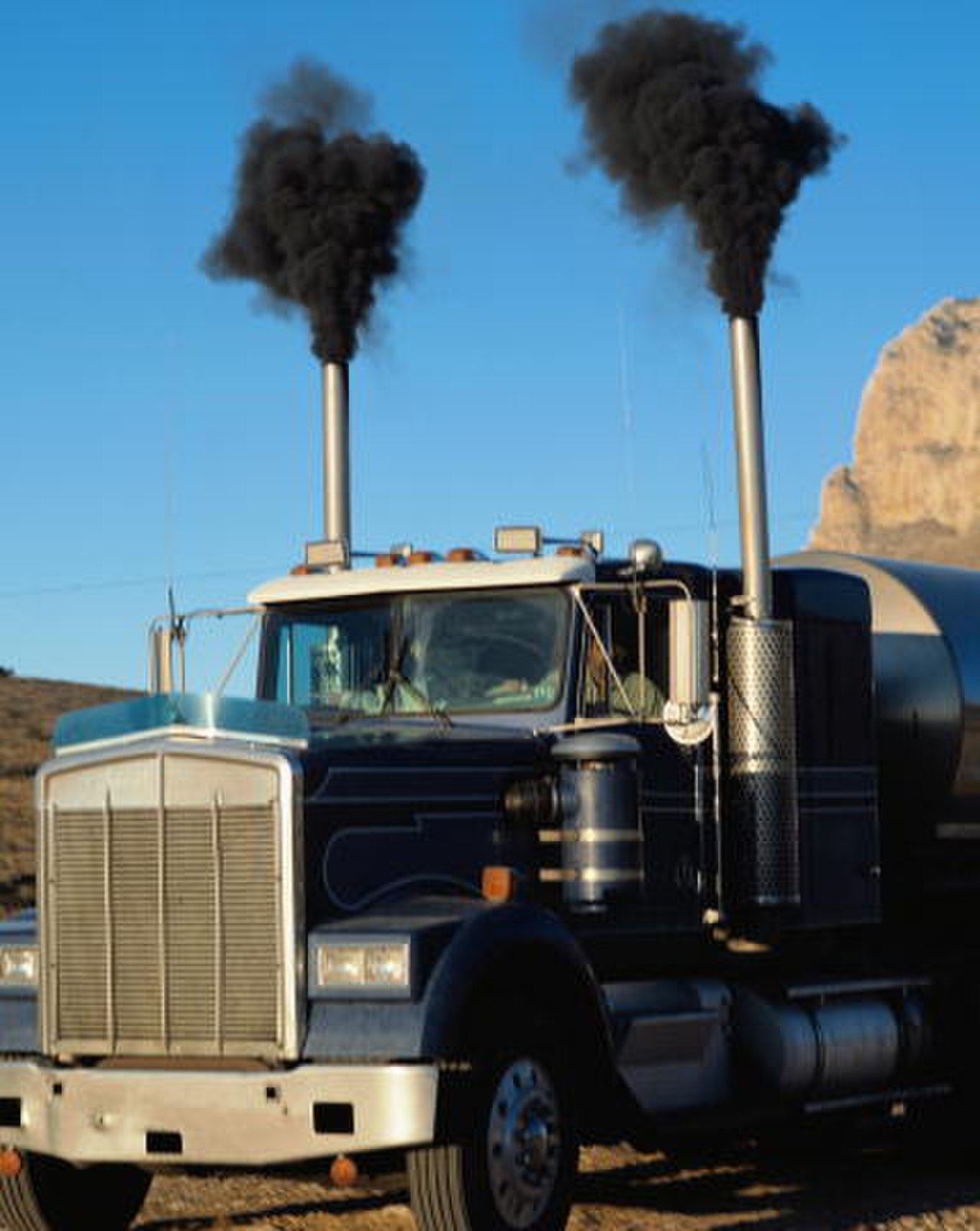
Exhaust gas
The Chemical Symphony of Combustion Byproducts
Exhaust gas, also known as flue gas in industrial contexts, is the gaseous byproduct resulting from the controlled or uncontrolled combustion of fuels. The primary fuels include fossil fuels like gasoline (petrol), diesel, natural gas, and coal, as well as biofuels. The process of combustion, ideally a complete conversion of fuel to carbon dioxide and water, is rarely perfect in real-world engines and industrial furnaces.
Incomplete combustion leads to the formation of a complex mixture of gases. Key components include nitrogen (N2) from the air, which constitutes the majority of the exhaust, and carbon dioxide (CO2), a greenhouse gas. However, critically, it also contains pollutants such as carbon monoxide (CO), unburnt hydrocarbons (HC), nitrogen oxides (NOx), sulfur dioxide (SO2) if sulfur is present in the fuel, and particulate matter (PM), including soot.
The specific composition varies significantly based on the fuel type, engine design, operating conditions, and the presence of emission control technologies. This intricate chemical cocktail is then expelled into the atmosphere through various outlets, including exhaust pipes, chimneys, and propulsion nozzles.
Historical Trajectory
The concept of exhaust gas is as old as humanity's use of fire. Early humans experienced the effects of smoke from campfires and hearths. However, the significant impact of exhaust gas on a global scale began with the Industrial Revolution and the widespread adoption of fossil fuels for power generation and transportation.
The advent of the internal combustion engine in the late 19th and early 20th centuries marked a turning point, as vehicles began releasing concentrated exhaust plumes into urban environments. Initially, there was little understanding or concern about the environmental consequences. It wasn't until the mid-20th century, with the rise of smog events in cities like Los Angeles, that the detrimental effects of vehicle emissions became undeniable.
This led to the development of catalytic converters and stricter emission standards, fundamentally changing the composition of exhaust gas over time by reducing certain harmful pollutants. The ongoing challenge is to further mitigate the release of greenhouse gases and other harmful substances.
Ecological and Health Ramifications of Atmospheric Discharge
The significance of exhaust gas extends far beyond its immediate visual presence. As a primary source of anthropogenic air pollution, it poses substantial threats to both environmental health and human well-being. Greenhouse gases like carbon dioxide and methane released in exhaust contribute to global climate change, leading to rising temperatures, altered weather patterns, and sea-level rise.
Pollutants such as nitrogen oxides and sulfur dioxide can cause acid rain, damaging ecosystems, forests, and aquatic life. Furthermore, particulate matter and carbon monoxide are directly harmful to human respiratory and cardiovascular systems. The World Health Organization estimates that millions of premature deaths annually are attributable to air pollution, with motor vehicle emissions being a major contributor.
The formation of ground-level ozone, a key component of smog, is also driven by reactions involving exhaust gases, exacerbating respiratory illnesses like asthma. Understanding and mitigating these impacts is a critical global imperative.
Mechanisms of Emission and Dispersion Dynamics
The release of exhaust gas from a vehicle's exhaust pipe is a dynamic process. The hot gases are expelled under pressure, creating an initial turbulent plume. This plume then interacts with the surrounding ambient air, undergoing dilution and dispersion.
Factors such as wind speed and direction, atmospheric stability, and the presence of obstacles like buildings significantly influence how the exhaust plume spreads and dissipates. In urban canyons, for instance, wind patterns can trap pollutants, leading to higher concentrations at ground level. For stationary sources like power plants, tall stacks are designed to release emissions at higher altitudes, promoting greater dispersion and reducing immediate ground-level concentrations, though these pollutants can still travel long distances.
The study of these dispersion patterns is crucial for air quality modeling and for siting new industrial facilities to minimize public health risks. Advanced emission control systems, such as catalytic converters and diesel particulate filters, are engineered to chemically transform or physically trap harmful components before they are released.
Contemporary Relevance and Future Trajectories
In the 21st century, exhaust gas remains a central focus in discussions about environmental sustainability and public health. The transition towards electric vehicles (EVs) is a direct response to the challenges posed by internal combustion engine emissions, aiming to eliminate tailpipe exhaust altogether. However, the energy source for charging EVs and the manufacturing processes for batteries also have environmental footprints.
For sectors where electrification is less feasible, such as heavy-duty transport and aviation, research is ongoing into alternative fuels like hydrogen, synthetic fuels, and advanced biofuels, which aim to produce cleaner exhaust or zero-emission propulsion. Furthermore, stringent regulations worldwide continue to push for cleaner combustion technologies and more efficient emission control systems. The ongoing scientific and engineering efforts to understand, measure, and reduce the impact of exhaust gas are vital for creating healthier cities and a more stable climate for future generations.
See also
Based on content from Wikipedia · Licensed under CC BY-SA 4.0