

The European Court of Human Rights
Images
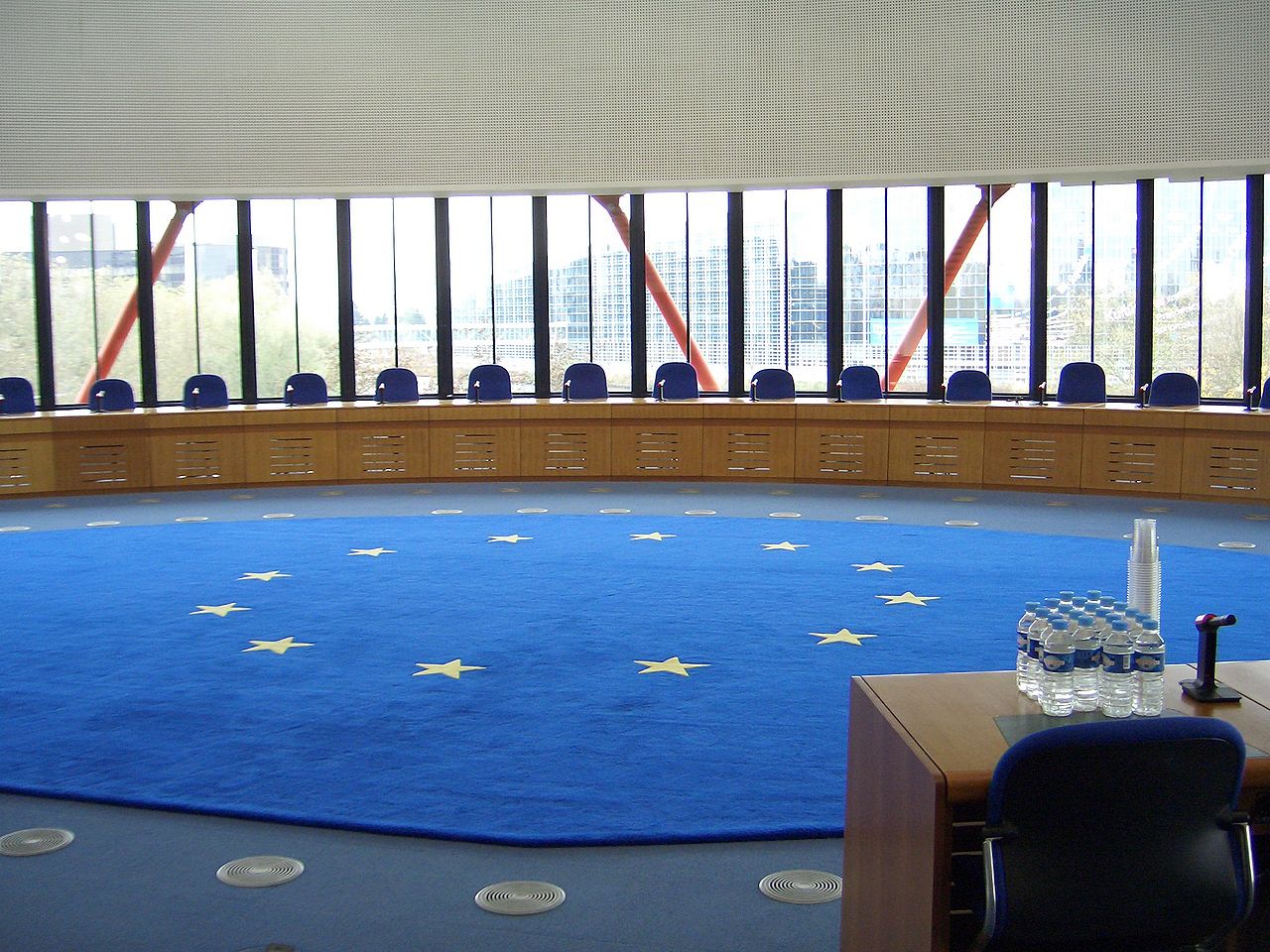
European Court of Human Rights Court room


The Strasbourg Court
The European Court of Human Rights (ECtHR), commonly referred to as the Strasbourg Court, stands as a preeminent international judicial body. Established in 1959 under the auspices of the Council of Europe, its primary function is to interpret and apply the European Convention on Human Rights (ECHR) and its additional protocols. The Court adjudicates applications alleging violations of Convention rights by any of the 46 contracting states.
Its jurisdiction is broad, encompassing individual applications, inter-state applications, and advisory opinions. The ECtHR is unique in its ability to deliver binding judgments that compel states to rectify breaches of human rights. This judicial oversight plays a critical role in ensuring that fundamental freedoms are not merely aspirational but are legally enforceable across a significant portion of Europe, fostering a shared commitment to human dignity and the rule of law.
Genesis and Evolution
The establishment of the ECtHR in 1959 was a direct response to the atrocities of World War II, reflecting a profound desire among European nations to create a system that would safeguard against future human rights abuses. The Convention itself was adopted in 1950, but it took nearly a decade for the Court to be operationalized. Its inaugural case, Lawless v. Ireland, decided in 1960, set a precedent for the Court's engagement with national legal systems.
Over its history, the ECtHR has evolved significantly, most notably through its adoption of the 'living instrument doctrine.' This interpretive approach mandates that the Convention be understood in light of present-day conditions, allowing its provisions to remain relevant and adaptable to societal changes, technological advancements, and emerging human rights challenges. This dynamic interpretation has been key to the Court's enduring influence and its status as a leading human rights tribunal.
The Indispensable Role of the ECtHR in Global Human Rights
Scholars widely regard the ECtHR as the most effective international human rights court globally. Its significance lies not only in its ability to deliver judgments but also in its profound impact on domestic legal systems and public policy across Europe. By providing a supranational avenue for redress, the Court empowers individuals and groups to challenge state actions that infringe upon their fundamental rights, thereby enhancing accountability and promoting a culture of human rights observance.
The Court's jurisprudence has shaped national laws, influenced constitutional interpretations, and contributed to the development of international human rights law. Despite its successes, the ECtHR faces ongoing challenges, particularly concerning the effective implementation of its judgments by member states. Ensuring compliance remains a critical aspect of its work, requiring continuous engagement with national authorities and civil society to uphold the integrity of the Convention system.
Procedural Pathways
The process at the ECtHR begins with an application, typically lodged by an individual, a group, or another contracting state, alleging a violation of the ECHR. A crucial prerequisite is the exhaustion of all domestic remedies, meaning applicants must have pursued all available legal avenues within their own country before bringing their case to Strasbourg. The Court's Registry initially screens applications for admissibility.
Admissible cases are then assigned to a judicial formation, which could be a Committee, a Chamber, or the Grand Chamber, depending on the case's complexity and significance. These bodies examine the evidence, hear arguments from both sides, and ultimately deliver a judgment. Judgments are legally binding on the respondent state.
In addition to judgments, the Court can issue advisory opinions on legal questions concerning the interpretation of the Convention, providing guidance to national authorities and the Committee of Ministers of the Council of Europe.
Contemporary Relevance and Future Directions
In an era marked by complex global challenges, from digital privacy and artificial intelligence to migration and democratic backsliding, the ECtHR's role is more critical than ever. Its 'living instrument' approach allows it to grapple with novel human rights issues that were unforeseen when the Convention was drafted. For instance, the Court's rulings on data protection and freedom of expression in the digital age are shaping how governments regulate online spaces.
Furthermore, the Court's jurisprudence on issues such as asylum, freedom of assembly, and the rights of vulnerable groups continues to influence national policies and international discourse. The ongoing challenge for the ECtHR and the Council of Europe is to ensure that its judgments are not only delivered but also effectively implemented, reinforcing its position as a vital bulwark of human rights and the rule of law in Europe and beyond.
See also
Frequently Asked Questions
What is the European Court of Human Rights?+
When was the European Court of Human Rights started?+
How can a person bring a case to the European Court of Human Rights?+
Why is the court called the Strasbourg Court?+
What happens after the court makes a decision?+
Based on content from Wikipedia · Licensed under CC BY-SA 4.0