

Eupen-Malmedy
Images

File:Eupen-MalmedyGrenzveränderungen.jpg


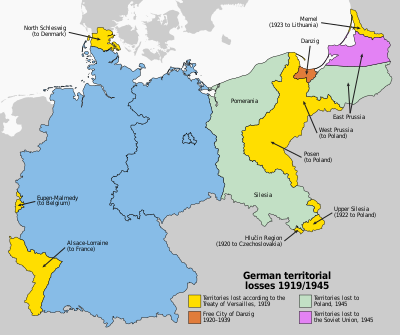


The Geopolitical Chessboard
Eupen-Malmedy, a region of approximately 730 square kilometers in eastern Belgium, is characterized by its predominantly German-speaking population and a history deeply intertwined with both Belgium and Germany. Its existence as a distinct entity is a direct consequence of the geopolitical realignments following World War I. Prior to this, the territory was an integral part of Prussia and subsequently the German Empire.
The Treaty of Versailles, a pivotal document in post-war Europe, mandated the transfer of Eupen-Malmedy to Belgium. This decision was not merely a territorial adjustment but a profound shift that impacted the cultural, linguistic, and political landscape of the region. The formal annexation in 1920, following a referendum, solidified Belgium's claim, integrating the area into the Liège Province by 1925.
This process highlights the complex legacy of imperial borders and the principle of national self-determination, or the lack thereof, for the inhabitants.
Interwar Tensions and World War II's Echoes
The period between World War I and World War II was marked by significant nationalist sentiment within Eupen-Malmedy. German nationalist groups actively agitated for reunification with Germany, creating a persistent undercurrent of political tension. This historical context proved critical during World War II.
When Nazi Germany occupied Belgium, it seized the opportunity to re-annex Eupen-Malmedy, effectively reversing the post-WWI territorial changes. This period of German occupation and re-annexation was a traumatic chapter, underscoring the region's vulnerability to larger international conflicts. Upon the conclusion of World War II in 1945, the Allied powers reaffirmed Belgium's sovereignty over the territory, returning Eupen-Malmedy to Belgian administration.
This cycle of annexation and return illustrates the precariousness of national borders and the enduring impact of global conflicts on local populations.
The Genesis of the German-Speaking Community
The enduring legacy of Eupen-Malmedy's distinct identity is most powerfully represented by the formation of the German-speaking Community of Belgium. Of the eleven original municipalities that constituted Eupen-Malmedy, nine now form the core of this federal community. This development is a significant aspect of Belgium's complex federal structure, which recognizes linguistic and cultural autonomy.
The German-speaking Community possesses its own parliament and government, responsible for matters pertaining to education, culture, and language policy within its territory. This institutional framework allows for the preservation and promotion of German language and culture, ensuring that the historical identity of Eupen-Malmedy continues to thrive within the modern Belgian state. It serves as a model for managing linguistic diversity within a nation-state.
Contemporary Relevance
In contemporary Europe, Eupen-Malmedy serves as a compelling case study in national identity, regional autonomy, and the evolving nature of borders in an increasingly integrated continent. The region's German-speaking character, coupled with its Belgian political affiliation, reflects the intricate tapestry of European history. The existence of the German-speaking Community highlights Belgium's successful, albeit complex, approach to accommodating linguistic minorities.
Furthermore, its location in eastern Belgium, adjacent to Germany, places it at a crossroads of cultural exchange and economic cooperation. As the European Union fosters closer ties between member states, regions like Eupen-Malmedy, with their unique historical narratives and cross-border connections, become vital components of a broader European identity, demonstrating that national borders can be permeable while cultural identities remain strong.
See also
Frequently Asked Questions
What is Eupen-Malmedy?+
Why did Eupen-Malmedy become part of Belgium after World War I?+
When did Eupen-Malmedy change hands during World War II?+
How many municipalities in Eupen-Malmedy are part of the German-speaking Community of Belgium?+
What does the German-speaking Community of Belgium do?+
Based on content from Wikipedia · Licensed under CC BY-SA 4.0