

Enclothed Cognition: How Clothes Change Your Brain!
Images
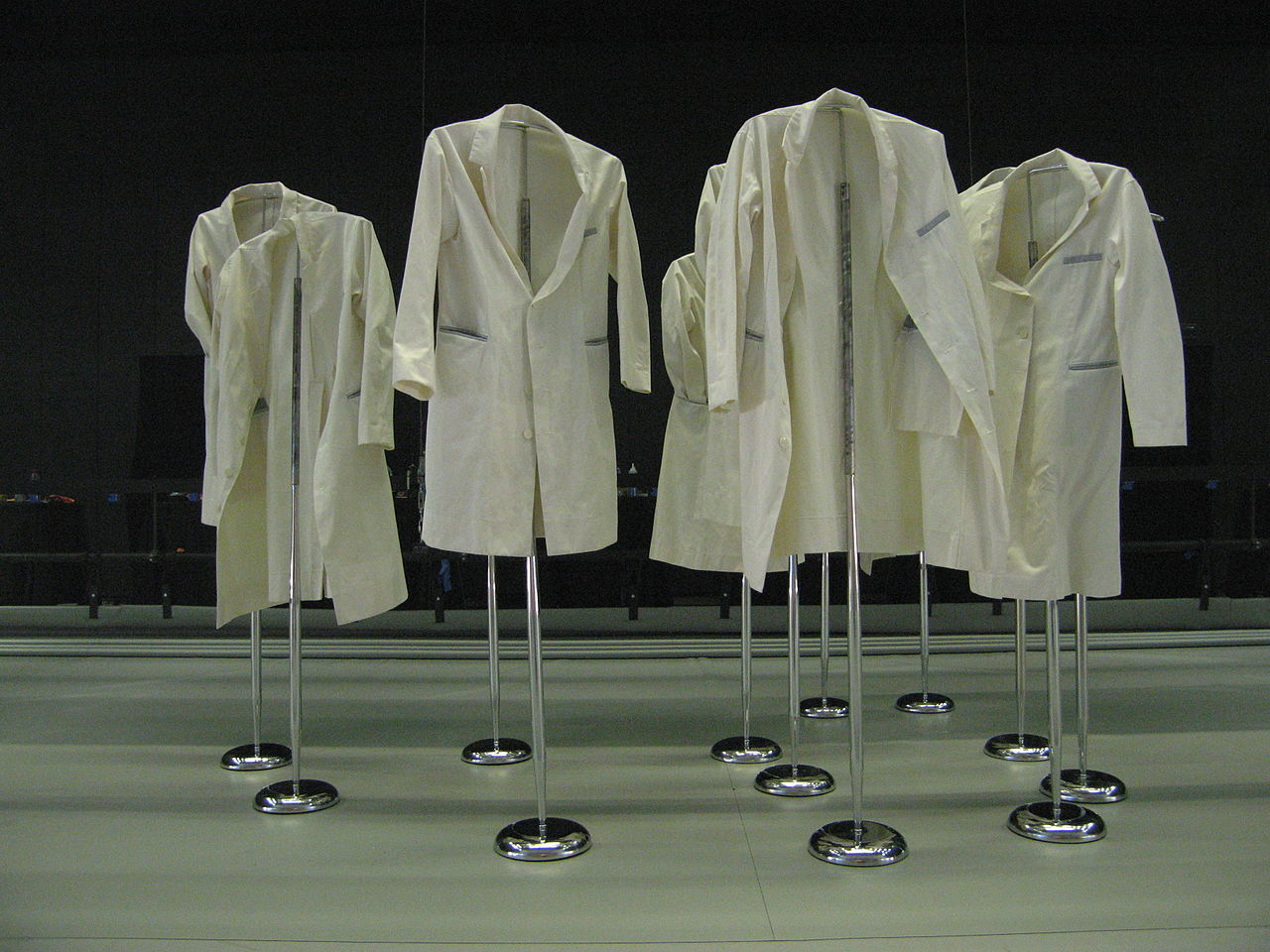
Enclothed cognition
The Cognitive Architecture of Apparel
Enclothed cognition refers to the systematic influence that clothing exerts on the wearer's psychological processes. This concept posits that the act of wearing specific garments can trigger changes in our thoughts, feelings, and behaviors, not merely through personal preference or social signaling, but through a deeper cognitive mechanism. It suggests that clothing acts as a powerful, albeit often unconscious, mediator between our external presentation and our internal mental landscape.
The term itself, coined by researchers Hajo Adam and Adam D. Galinsky, highlights a sophisticated interplay where the physical act of donning attire activates associated psychological states and cognitive functions, thereby altering our subjective experience and objective performance.
Genesis of an Idea
The empirical foundation for enclothed cognition was significantly bolstered by a seminal 2012 experiment conducted by Adam D. Galinsky and Hajo Adam. In this study, participants were assigned to wear either a white lab coat similar to those worn by physicians or a painter's smock.
Crucially, a third group was told they were wearing a doctor's coat but it was actually a regular shirt. The findings revealed that individuals wearing the physician's lab coat demonstrated enhanced performance on tasks requiring sustained attention and accuracy, such as proofreading. This outcome was attributed to the activation of the concept of 'diligence' associated with the physician's role.
The experiment provided compelling evidence that the symbolic meaning embedded in clothing could translate into tangible changes in cognitive function and behavior.
The Mechanism of Influence
At the heart of enclothed cognition lies the principle of symbolic meaning. Clothing items are imbued with cultural and personal associations that represent abstract concepts. For instance, a judge's robe symbolizes justice and authority, while athletic wear signifies physical prowess and competition.
When an individual wears clothing that carries such symbolic weight, the associated concepts are activated in their mind. This conceptual activation can then influence a range of psychological processes, including self-perception, motivation, and cognitive abilities. The researchers hypothesize that this occurs because wearing the clothing creates a metaphorical connection, leading the wearer to embody the traits and mental states associated with that attire.
It's a form of embodied cognition where the physical act of wearing influences mental operations.
Manifestations in Daily Life
The implications of enclothed cognition extend far beyond laboratory settings, permeating various aspects of everyday life. In professional environments, wearing formal attire like suits or uniforms can foster a sense of professionalism, authority, and competence, potentially improving performance in client interactions or high-stakes negotiations. Conversely, wearing comfortable or casual clothing might promote creativity and relaxation.
The concept also explains why individuals might feel more confident or capable when dressed in a particular way, such as wearing workout clothes before exercise, which can enhance motivation and perceived exertion. Even seemingly minor choices, like wearing glasses (even non-prescription ones), have been shown to increase perceived intelligence and carefulness, demonstrating the broad applicability of this phenomenon.
Broader Societal and Psychological Ramifications
Understanding enclothed cognition offers valuable insights into human behavior and social dynamics. It underscores the power of external cues in shaping internal states and highlights how our attire can be a tool for self-regulation and performance enhancement. Furthermore, it sheds light on the potential for unconscious biases related to clothing, as we may attribute certain cognitive abilities or personality traits to individuals based solely on their apparel.
This awareness can encourage more mindful dressing, both for personal benefit and for fostering more equitable social interactions. The study of enclothed cognition continues to evolve, exploring its nuances across different cultures and contexts, and its potential applications in fields ranging from education to therapy.
Go deeper
Frequently Asked Questions
What is enclothed cognition?+
Why did people do better when they wore a white lab coat in the study?+
How does a judge's robe affect people who wear it?+
Can wearing comfortable or casual clothes help me be more creative?+
Does wearing glasses change how I think, even if I don't need them?+
Based on content from Wikipedia · Licensed under CC BY-SA 4.0