

Electrolytes: The Tiny Electric Helpers!
Images
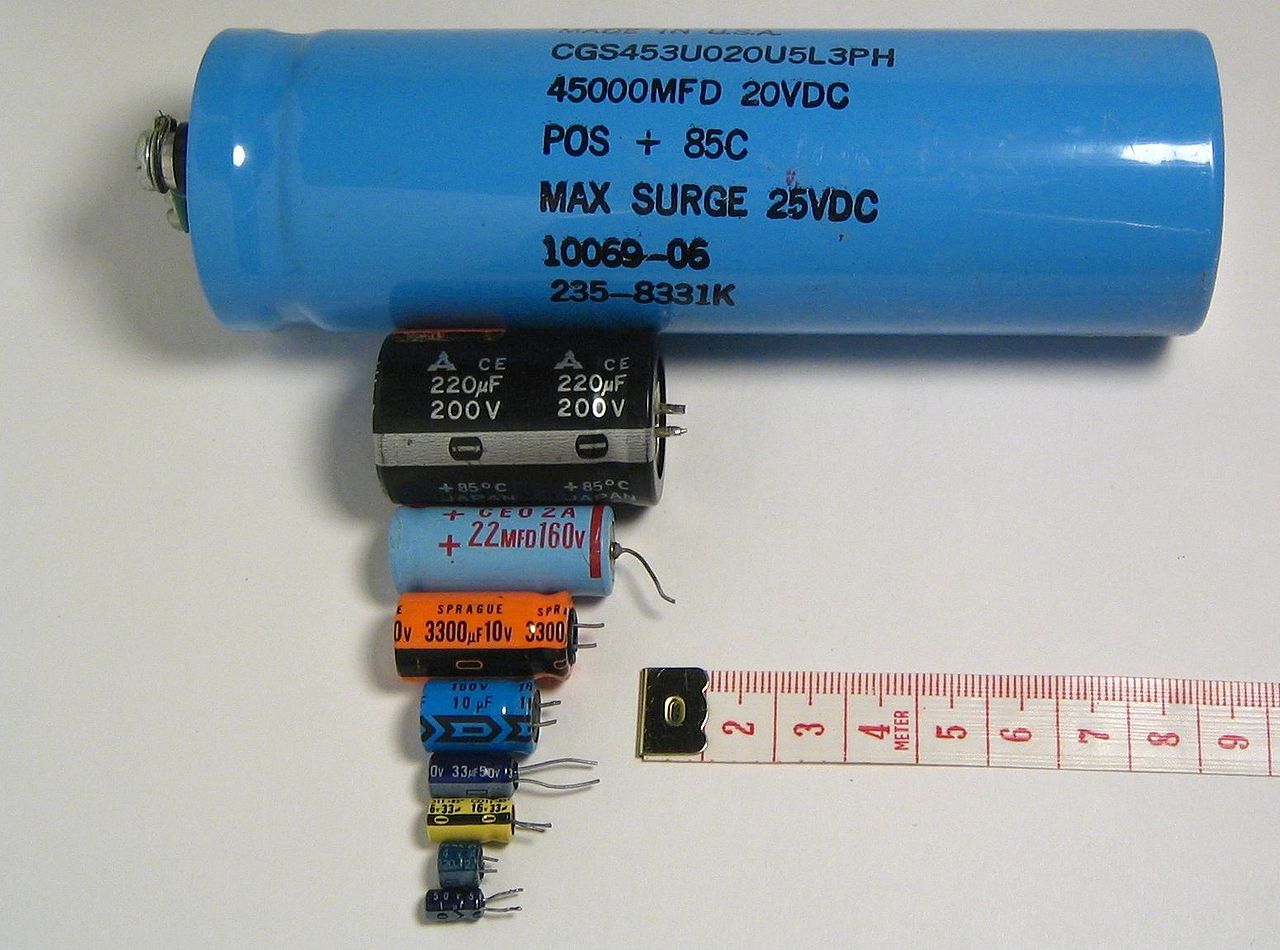
Electrolytic capacitors


The Fundamental Nature of Electrolytic Conductivity
An electrolyte is defined by its ability to conduct electricity not through the movement of electrons, like in metals, but through the migration of ions. This ionic conductivity arises when a substance, typically a soluble salt, acid, or base, dissociates into constituent cations and anions upon dissolution in a polar solvent, most commonly water. These ions are then free to move within the solution.
When an electric potential is applied across the solution, cations migrate towards the cathode (negative electrode) and anions towards the anode (positive electrode), establishing an electric current. This phenomenon is distinct from electronic conduction and is crucial in various chemical and biological processes. Even in the solid state, certain materials exhibit ionic conductivity, functioning as solid-state electrolytes.
A Historical Trajectory
The study of electrolytes has a rich history, beginning with empirical observations of electrical conductivity in solutions. Early chemists noted that solutions of certain substances conducted electricity while others did not. A pivotal moment arrived with Svante Arrhenius's groundbreaking ionic theory of solutions in the late 19th century.
He proposed that electrolytes dissociate into charged particles (ions) when dissolved, a revolutionary idea that explained many previously puzzling chemical behaviors and earned him the Nobel Prize in Chemistry in 1903. This theory laid the foundation for understanding electrochemistry, solution chemistry, and the biological roles of ions, paving the way for advancements in fields ranging from battery technology to understanding cellular function.
Physiological Imperatives
In biological systems, electrolytes are indispensable for life. Key ions such as sodium (Na+), potassium (K+), chloride (Cl-), calcium (Ca2+), magnesium (Mg2+), and phosphate (PO43-) are present in bodily fluids like blood, serum, and intracellular fluid. Their concentrations are meticulously regulated to maintain crucial physiological functions.
Electrolytes are fundamental to nerve impulse transmission, where the rapid influx and efflux of ions like Na+ and K+ across neuronal membranes generate action potentials. They are also essential for muscle contraction, enabling the coordinated movement of muscle fibers. Furthermore, electrolytes play a vital role in maintaining osmotic balance, regulating blood pressure, and buffering pH, underscoring their multifaceted importance for homeostasis.
Electrochemical Applications
Electrolytes are the linchpin of electrochemical cells, devices that convert chemical energy into electrical energy (batteries) or vice versa (electrolytic cells). In a galvanic cell, spontaneous redox reactions drive ion movement through an electrolyte, generating an electric current. Conversely, in an electrolytic cell, an external electric current is used to drive non-spontaneous chemical reactions, a process fundamental to electroplating and the production of many industrial chemicals.
The development of advanced electrolytes, including polymer electrolytes and solid-state electrolytes, is a frontier in battery research, aiming to create safer, more efficient energy storage solutions for electric vehicles and portable electronics.
Clinical Relevance and Therapeutic Interventions
In clinical medicine, the term 'electrolyte' often refers metonymically to the concentration of specific ions in bodily fluids. Electrolyte imbalances, known as dyskalemia, hyponatremia, etc., can arise from various conditions such as prolonged vomiting, diarrhea, excessive sweating, kidney dysfunction, or certain medications. These imbalances can have severe consequences, affecting cardiac rhythm, neurological function, and overall metabolic stability.
Medical interventions, such as intravenous fluid therapy and oral rehydration solutions (e.g., Pedialyte), are specifically designed to restore proper electrolyte balance. Monitoring electrolyte levels is a routine yet critical aspect of patient care, particularly in critical care settings and for individuals with chronic illnesses or eating disorders like anorexia and bulimia.
Go deeper
Frequently Asked Questions
What are electrolytes?+
How do electrolytes carry electricity?+
Why are electrolytes important for nerves and muscles?+
What are some common electrolytes in our bodies?+
How do electrolytes help batteries work?+
Based on content from Wikipedia · Licensed under CC BY-SA 4.0