

Electrode
Images

Electrode


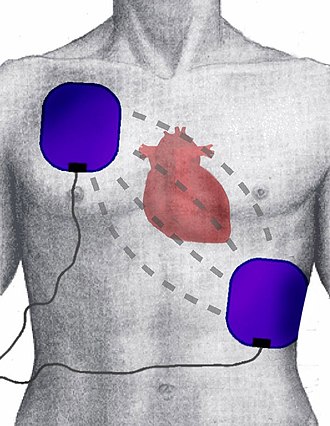


The Electrode
An electrode serves as the indispensable interface between a metallic electrical conductor and a nonmetallic part of an electrical circuit. This nonmetallic component can range from a semiconductor, electrolyte, vacuum, or even a gas. The primary function of an electrode is to facilitate the transfer of charge carriers, whether they are electrons, ions, or other charged particles, between these dissimilar materials.
In essence, electrodes are the gateways through which electrical energy enters or exits a non-conductive medium, making them critical for the operation of countless devices. The design and material selection of an electrode are paramount, as they directly influence the efficiency, stability, and performance of the entire system. For example, in a semiconductor device, the electrode must form a low-resistance contact to ensure efficient signal transmission, while in an electrochemical cell, it must be chemically stable and facilitate specific redox reactions.
Historical Evolution
The conceptual lineage of the electrode stretches back to early investigations into electricity. The term 'electrode' itself was coined by Michael Faraday in 1833, a pivotal moment in the formalization of electrical terminology. Faraday derived the word from the Greek 'ḗlektron,' referring to amber, a substance known since antiquity for its ability to generate static electricity when rubbed, and 'hodós,' meaning path or way.
This etymology aptly describes the electrode's role as a conduit. Prior to Faraday's coining of the term, foundational work was already underway. Johan Wilcke's invention of the electrophore around 1762 demonstrated an early apparatus capable of storing and discharging static electricity, foreshadowing the need for controlled electrical contacts.
These early explorations into static and galvanic electricity laid the groundwork for understanding how to manipulate electrical currents and paved the way for the sophisticated electrode designs used today in everything from batteries to particle accelerators.
Electrochemical Cells
Within electrochemical cells, electrodes are not merely passive connectors but active participants in chemical reactions. They are classified as either anodes or cathodes based on the direction of conventional current flow, a convention independent of their electrical potential. The anode is where oxidation occurs (loss of electrons), and the cathode is where reduction occurs (gain of electrons).
The materials chosen for these electrodes are critical and vary widely depending on the specific application. For instance, in a lithium-ion battery, the anode might be made of graphite, while the cathode could be a metal oxide like lithium cobalt oxide. In an electrolytic cell, the electrodes facilitate non-spontaneous chemical reactions driven by an external power source.
The performance of these cells, including their voltage, current capacity, and lifespan, is directly dictated by the electrochemical properties and stability of their constituent electrodes.
Diverse Applications and Material Science
The utility of electrodes extends far beyond batteries and basic circuits. They are integral to advanced technologies such as fuel cells, where they facilitate the conversion of chemical energy into electrical energy. In medical fields, electrodes are used in electrocardiograms (ECGs) to monitor heart activity, in electroencephalograms (EEGs) to measure brain waves, and in therapeutic devices like pacemakers and defibrillators. Industrial applications include electroplating, where electrodes are used to deposit thin layers of metal onto surfaces, and in arc welding, where electrodes generate intense heat.
The ongoing development of novel electrode materials, including nanomaterials and advanced composites, continues to push the boundaries of what is possible, leading to more efficient energy storage, faster electronic devices, and innovative medical treatments. The careful selection and engineering of electrode materials are thus central to advancements across numerous scientific and technological disciplines.
Go deeper
Frequently Asked Questions
What is an electrode?+
How does an electrode help electricity move?+
Why are electrodes important in batteries?+
What are anodes and cathodes?+
Who first named the word electrode?+
Based on content from Wikipedia · Licensed under CC BY-SA 4.0