

Drum
Images
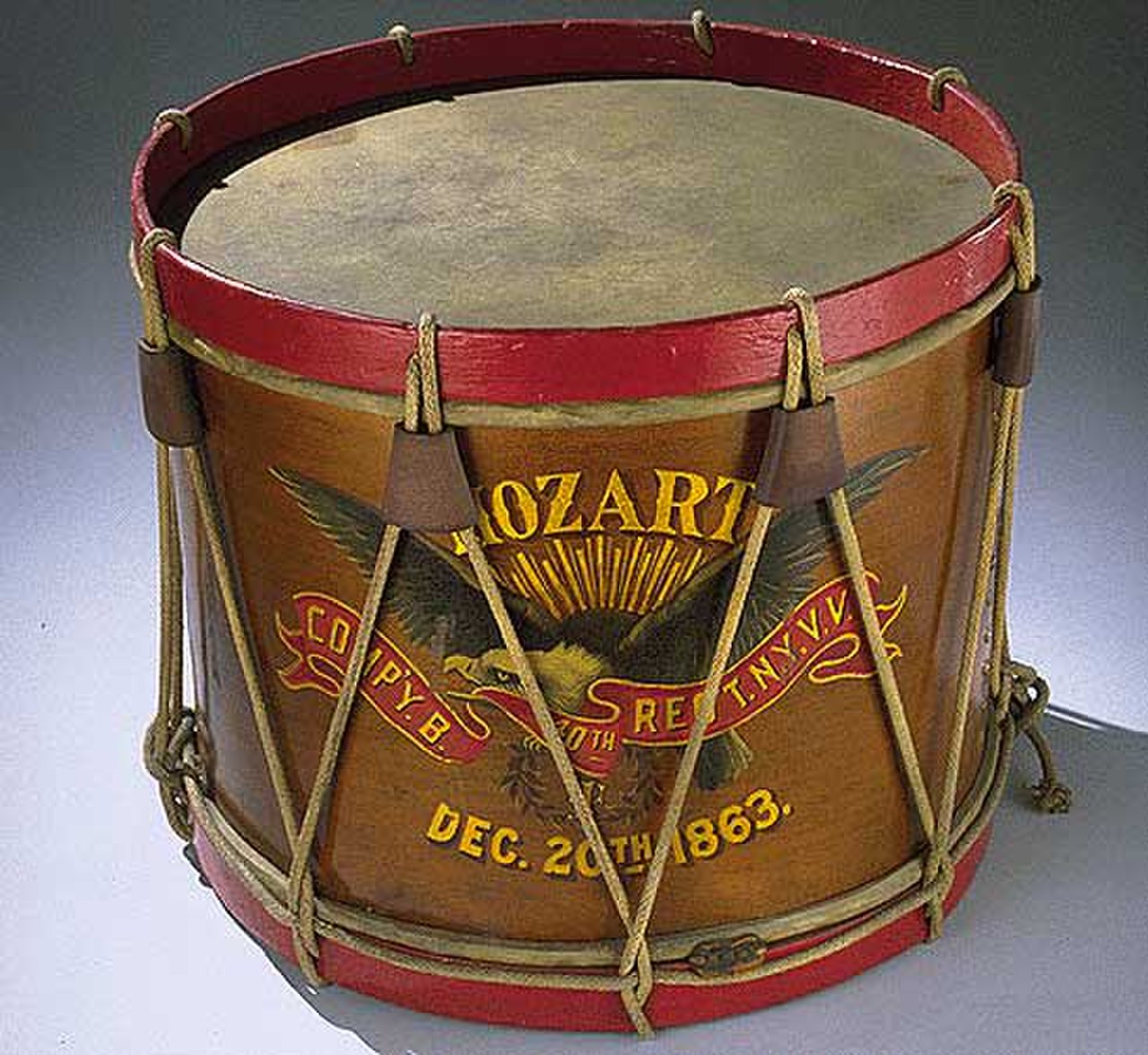
Drum
The Drum's Ancient Pedigree and Global Diffusion
The drum stands as one of humanity's most ancient and universally adopted musical instruments, with origins stretching back into prehistory. Archaeological findings, including prehistoric cave paintings and early instruments crafted from bone and hide, point to drumming practices dating back tens of thousands of years. Initially, drums likely served multifaceted roles beyond mere musicality; they were vital tools for communication across distances, signaling warnings, coordinating group activities, and marking significant events.
Their percussive power was integral to spiritual and ritualistic practices, facilitating trance states and communal bonding. As human societies migrated and interacted, drum-making techniques and traditions diffused globally, adapting to local materials and cultural contexts. This led to an astonishing diversity of forms, from the single-headed frame drums of the Middle East and Europe to the double-headed cylindrical drums of Africa and Asia, and the complex multi-drum ensembles found in various indigenous cultures.
This widespread adoption underscores the drum's fundamental role in early human societies and its enduring presence across the spectrum of global music.
Acoustic Principles
The sound production of a drum is a fascinating interplay of physics and material science. At its core, a drum operates on the principle of a vibrating membrane, typically made of animal hide or synthetic materials like Mylar, stretched taut over a resonant shell. When the membrane is struck, it deforms and then snaps back, initiating oscillations.
The frequency of these vibrations, which dictates the pitch, is determined by several factors: the tension of the membrane, its mass per unit area, and the dimensions of the membrane itself. The shell, often made of wood, metal, or composite materials, acts as a resonator. Its shape, size, and material properties influence the amplification and spectral content of the sound.
The air inside the shell vibrates sympathetically, contributing to the overall timbre and volume. Different types of strikes, such as using sticks, mallets, or hands, and the location of the strike on the head, further modulate the resulting sound, allowing for a wide dynamic and tonal range. Understanding these acoustic principles is key to appreciating the sonic versatility of the drum.
The Indispensable Role of Drums in Music and Society
Drums are arguably the most critical element in establishing rhythm and groove across virtually all musical genres. They provide the temporal framework, the pulse, and the dynamic drive that underpins everything from a simple folk song to a complex orchestral work. In popular music, the drum kit is the backbone, dictating tempo, feel, and energy.
Beyond their foundational role in music, drums possess profound social and psychological significance. The act of drumming can be a powerful form of stress relief and mindfulness, promoting focus and emotional release. In communal settings, drumming fosters a powerful sense of connection and shared identity, evident in drum circles, marching bands, and ritualistic performances.
Historically, drums have served as essential communication tools, capable of conveying complex messages over distances, and their use in ceremonies underscores their deep cultural and spiritual importance. They are not merely instruments but integral components of human expression, social cohesion, and cultural heritage.
Typology and Evolution
The world of drums is characterized by an immense diversity of construction, playing techniques, and sonic capabilities, reflecting millennia of innovation and cultural adaptation. Broadly, drums can be categorized by their construction, such as frame drums (e.g., tambourine, bodhrán), kettle drums (e.g., timpani), cylindrical drums (e.g., snare drum, tom-toms), and goblet drums (e.g., djembe, tabla). The materials used for the shell-wood, metal, acrylic-and the head-animal skin, plastic-significantly impact the sound.
The evolution of the drum kit in the 20th century, combining various drums and cymbals, revolutionized popular music by allowing a single performer to provide a full rhythmic section. Furthermore, advancements in tuning mechanisms, such as modern lug systems and tension rods, have enabled greater pitch control and stability compared to ancient methods. This continuous evolution, from rudimentary prehistoric instruments to sophisticated modern percussion, highlights the drum's adaptability and its persistent relevance in shaping musical landscapes.
Drums in Contemporary Culture and Artistic Innovation
In the contemporary era, drums continue to be central to musical creation and performance, while also finding new applications in therapeutic and artistic contexts. Modern drummers and percussionists constantly push the boundaries of technique and sound, exploring complex polyrhythms, integrating electronic elements, and collaborating across genres. The drum's role in electronic music production, through samplers and drum machines, has also expanded its sonic palette exponentially.
Beyond music, drumming is increasingly recognized for its therapeutic benefits, used in music therapy to address physical, emotional, and cognitive needs. Furthermore, experimental artists utilize drums and percussion in avant-garde compositions, installations, and performance art, exploring their textural and kinetic qualities. The enduring appeal of the drum lies in its primal connection to rhythm and its capacity for both individual expression and collective experience, ensuring its continued vitality and evolution in the 21st century.
Go deeper
Frequently Asked Questions
What is a drum and how does it make sound?+
Why did people use drums in ancient times?+
How do different drum shapes affect the sound?+
What are some ways people play drums?+
How can drumming help people feel better?+
Based on content from Wikipedia · Licensed under CC BY-SA 4.0