

Dispute
Images

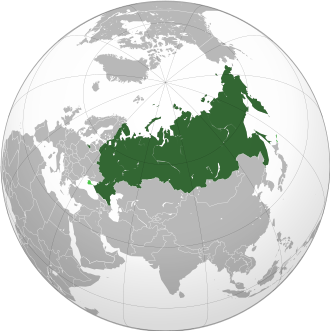
Map of Russian districts (2014–2022, Crimea disputed)




The Multifaceted Nature of Dispute
A dispute, at its core, represents a divergence of interests, claims, or opinions between two or more parties. This divergence can manifest in various forms, from the interpersonal friction of a personal argument to the structured antagonism of a legal proceeding. The Wikipedia source categorizes disputes broadly, including acts of physical violence or combat, highlighting the potential for escalation.
It also points to broader societal disagreements like 'Controversy,' which often involve differing values or beliefs, and formal legal actions such as 'Lawsuit.' Understanding the spectrum of disputes is crucial, as the approach to resolution often depends on the nature and intensity of the conflict. These disagreements are not merely negative events but can also be drivers of change, pushing for re-evaluation of existing norms and policies.
A Historical Trajectory of Conflict and Order
The phenomenon of dispute is intrinsically linked to the development of human civilization. From prehistoric tribal conflicts over resources and territory, which likely involved direct physical confrontation, to the sophisticated legal frameworks of modern states, the management of disputes has been a constant endeavor. Early societies relied on customary law and the authority of elders or chieftains to arbitrate.
The emergence of formal legal systems, such as courts and codified laws, represented a significant evolution in dispute resolution, aiming to provide more impartial and predictable outcomes than might be achieved through direct confrontation. The Wikipedia source's inclusion of 'lawsuit' and 'combat' reflects this historical progression from unmediated conflict to structured legal processes, underscoring how societies have continuously sought mechanisms to contain and resolve disagreements.
The Indispensable Role of Dispute in Societal Dynamics
Disputes, while often perceived negatively, play a vital and often constructive role in the functioning of societies. They are mechanisms through which societal norms are tested, challenged, and sometimes redefined. The process of disputing can bring hidden issues to light, forcing individuals, organizations, and even governments to confront problems and seek solutions.
Furthermore, the very existence of mechanisms for dispute resolution, such as 'Dispute resolution' services mentioned in the source, is a testament to their importance. These processes not only aim to settle conflicts but also to maintain social order, uphold justice, and prevent escalation into more destructive forms of conflict. Constructive engagement with disputes can lead to innovation, improved policies, and a deeper understanding between differing groups.
Mechanisms for Navigating Disagreement
The resolution of disputes employs a diverse array of methods, tailored to the specific context and severity of the conflict. At the most informal level, parties may engage in direct negotiation, attempting to reach a mutually acceptable agreement through dialogue. When direct negotiation fails or is insufficient, third-party intervention becomes necessary.
Mediation involves a neutral facilitator who guides the parties toward their own resolution, preserving their autonomy. Arbitration offers a more binding process where a neutral arbitrator makes a decision, often akin to a judicial ruling but typically faster and less formal than a court proceeding. The most formal mechanism is litigation, or a 'lawsuit,' where a dispute is brought before a court of law for a binding judgment by a judge or jury.
The Wikipedia source's mention of 'Dispute (credit card)' illustrates a common scenario where formal chargeback processes act as a form of dispute resolution between consumers, merchants, and financial institutions.
Contemporary Manifestations and Implications
In the modern era, disputes permeate nearly every facet of life, from individual interactions to global politics. Online platforms have introduced new arenas for disputes, including digital content moderation, intellectual property conflicts, and consumer disagreements. The rise of 'Controversy' in public discourse, amplified by social media, demonstrates how differing viewpoints can quickly become widespread disputes.
Furthermore, international relations are often characterized by disputes over trade, territory, and ideology, requiring complex diplomatic and legal strategies. The Wikipedia source's reference to 'the endless dispute, a question of arthropod morphology' highlights that even in scientific inquiry, disagreements and debates are fundamental to advancing knowledge. Effectively managing these diverse disputes is a critical challenge for individuals, institutions, and the international community, requiring sophisticated understanding of law, diplomacy, and human psychology.
Go deeper
Frequently Asked Questions
What is a dispute?+
Why can disputes be good for society?+
How do people solve disputes?+
What are some ways disputes can happen?+
When do disputes become more serious?+
Based on content from Wikipedia · Licensed under CC BY-SA 4.0