

Devils Postpile National Monument
Images

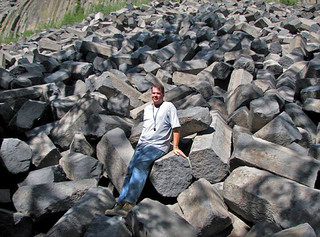
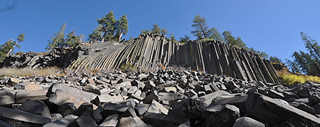
Columnar-jointed trachybasalt (Postpile Flow, Upper Pleistocene, 82 ka; Devils Postpile National Monument, eastern California, USA) 64





The Genesis of Devils Postpile
Devils Postpile National Monument, situated in California's Sierra Nevada range near Mammoth Mountain, preserves a remarkable geological spectacle: the Devils Postpile formation. This natural wonder is composed of columnar basalt, a type of igneous rock formed from a massive lava flow that occurred approximately 100,000 years ago. The lava, originating from a volcanic vent, flowed down a prehistoric valley and cooled extremely slowly over millennia.
This gradual cooling process caused the molten rock to contract and fracture in a distinctive pattern, resulting in the formation of tall, closely fitted, and often hexagonal columns. The sheer scale and geometric precision of these columns, some reaching heights of up to 60 feet, are a profound illustration of the forces of nature. The monument's landscape is a dynamic interplay of volcanic legacy and glacial sculpting, with the surrounding terrain shaped by both ancient eruptions and subsequent ice ages.
The monument encompasses 798 acres, a significant portion of which lies within the boundaries of the Ansel Adams Wilderness, underscoring its role as a protected natural sanctuary.
Beyond the Pillars
While the Devils Postpile formation is the monument's namesake, it shares its allure with other significant natural features, most notably Rainbow Falls. This picturesque waterfall on the Middle Fork of the San Joaquin River plunges dramatically, creating a mesmerizing spectacle, especially when sunlight refracts through the water's mist to form vibrant rainbows. The monument's strategic location also makes it a crucial point for long-distance hikers.
It serves as a confluence where two iconic trails, the John Muir Trail and the Pacific Crest Trail, merge into a single path. This convergence highlights the monument's role not just as a geological point of interest but as a vital segment within a larger network of protected wildlands. The integration with the Ansel Adams Wilderness means that the monument is managed to maintain its natural character, providing habitat for diverse flora and fauna and offering opportunities for backcountry exploration.
Conservation, Recreation, and Scientific Significance
Devils Postpile National Monument was established to protect its unique geological features and natural beauty. Its designation as a national monument underscores a commitment to preserving these sites for public appreciation and scientific study. The monument facilitates a range of recreational activities, primarily hiking, which allows visitors to experience the dramatic landscapes firsthand.
The presence of the John Muir Trail and Pacific Crest Trail makes it a popular stop for thru-hikers and backpackers, contributing to its role in national trail systems. Scientifically, the columnar basalt formation offers invaluable insights into volcanic processes, cooling rates, and rock mechanics. Understanding how these structures form helps geologists interpret similar formations worldwide and reconstruct past geological events.
The monument's management balances visitor access with the imperative of conservation, ensuring the long-term preservation of its natural and cultural resources.
The Enduring Relevance of Devils Postpile
In an era increasingly focused on climate change and environmental stewardship, places like Devils Postpile National Monument hold profound relevance. They serve as tangible reminders of Earth's dynamic geological history and the powerful natural forces that continue to shape our planet. The monument's protection ensures that these unique geological formations remain intact for future generations to study and admire, providing a crucial link to our planet's past.
Furthermore, its integration within the Ansel Adams Wilderness highlights the importance of interconnected protected areas for biodiversity conservation and the maintenance of ecological processes. The monument's role as a nexus for major hiking trails also promotes outdoor recreation and fosters a connection between people and the natural world, encouraging a sense of responsibility for its preservation. Devils Postpile stands as a testament to the value of safeguarding natural wonders.
See also
Frequently Asked Questions
What is Devils Postpile National Monument?+
How do the rock columns at Devils Postpile form?+
Where can you see a rainbow at Devils Postpile?+
Why is Devils Postpile important for hikers?+
How big is Devils Postpile National Monument?+
Based on content from Wikipedia · Licensed under CC BY-SA 4.0